Do Car Covers Damage Paint? Where the Makers Disagree
A car cover damages paint only when it goes on a dirty or wet car, or fits loosely enough to rub in the wind. Covercraft says a clean car, a good cover and a proper fit won't scratch. The real choice is fabric: breathable for a car covered for weeks, waterproof only if it comes off often.
Our Verdict
Wash and dry the car, size the cover from the maker's chart and strap it down, and the cover protects rather than scratches. For a car you uncover most days, the strapped, multi-layer EzyShade is the pick. For weeks of outdoor storage choose breathable fabric like the Leader, and keep the Budge Lite for the garage.
Key takeaways
- Covers scratch paint through trapped grit and wind movement, not the fabric. Covercraft says a clean car, a good cover and a proper fit prevent it.
- Never cover a wet car. Covercraft links it to water spots and dulling, and Hagerty's Norman Garrett calls trapped moisture the number one enemy.
- Covercraft and Coverking say a cover should be water-resistant and breathable, never waterproof. Garrett uses a waterproof top and relies on airflow under the car instead.
- Three of the five covers we rank are sold as waterproof. Leader's listing claims waterproof and breathable at once, so treat it as water-resistant.
- Covercraft recommends taking any cover off in high wind or a storm.
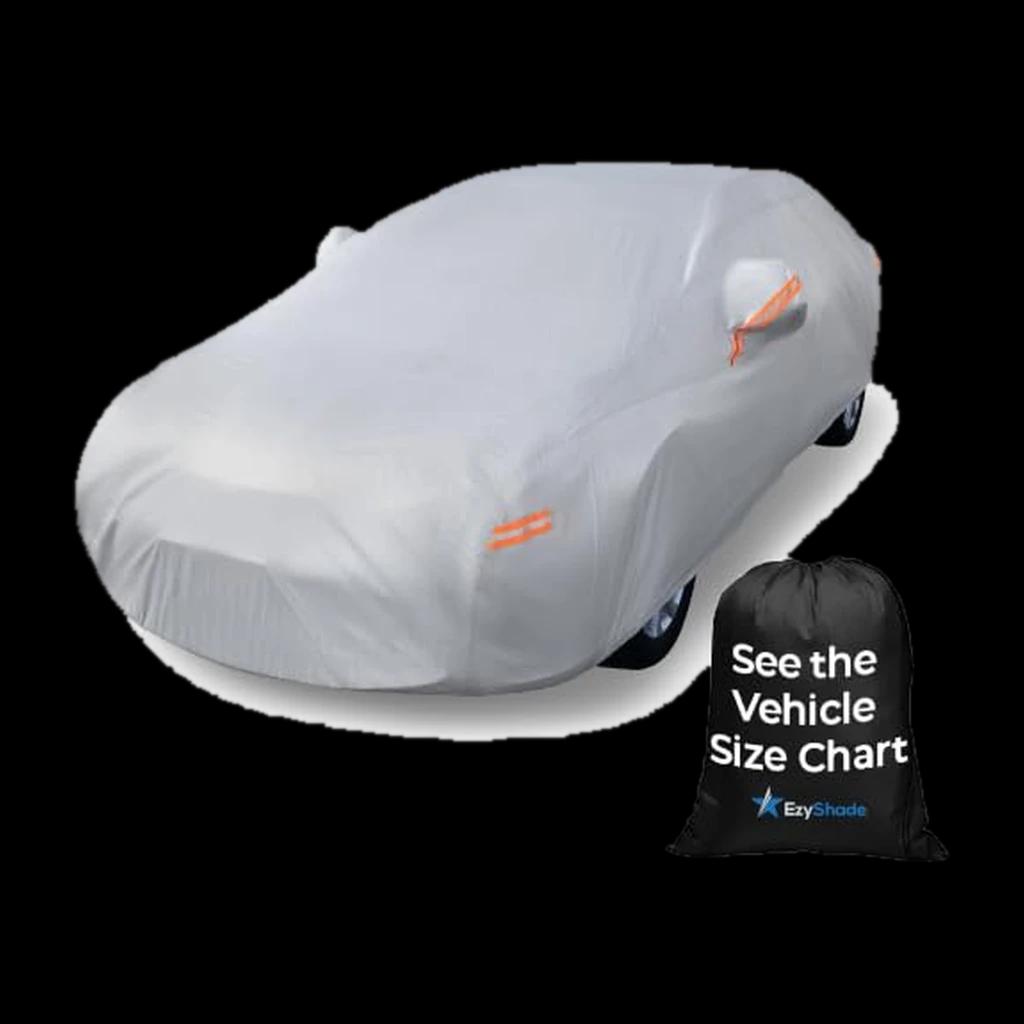
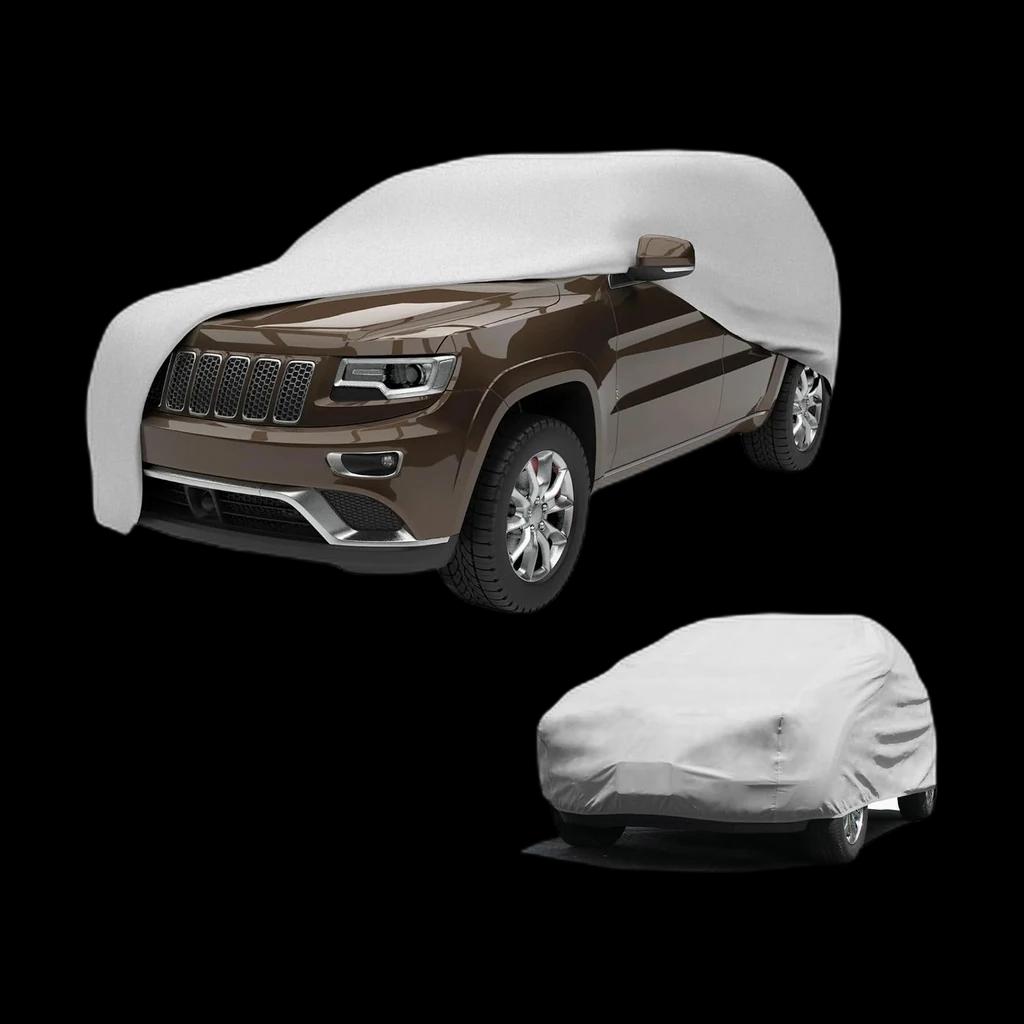
EzyShade Car Cover — multi-layer waterproof, size A4
- Three adjustable underbody straps with buckles, plus reflective strips, per EzyShade
- Side door zipper, mirror pockets on A sizes, and a storage bag included
- 4.3 stars from 12,000+ ratings, sold new by EzyShade's seller HarveyFrances
Of the five covers we rank, it pairs a multi-layer build with three buckled underbody straps, per EzyShade, which answers the wind problem that causes most scuffing. Sold as waterproof, so take it off often.
Side-by-side comparison
#1EzyShade Car Cover 4.3 | #2Kayme SUV Car Cover 4.2 | #3SEAZEN 2-Layer Car Cover 4.2 | #4Leader Accessories All-Weather Car Cover 4.2 | #5Budge Lite SUV Car Cover 4.2 | |
|---|---|---|---|---|---|
|  |  |  |  | |
| DriveScored | |||||
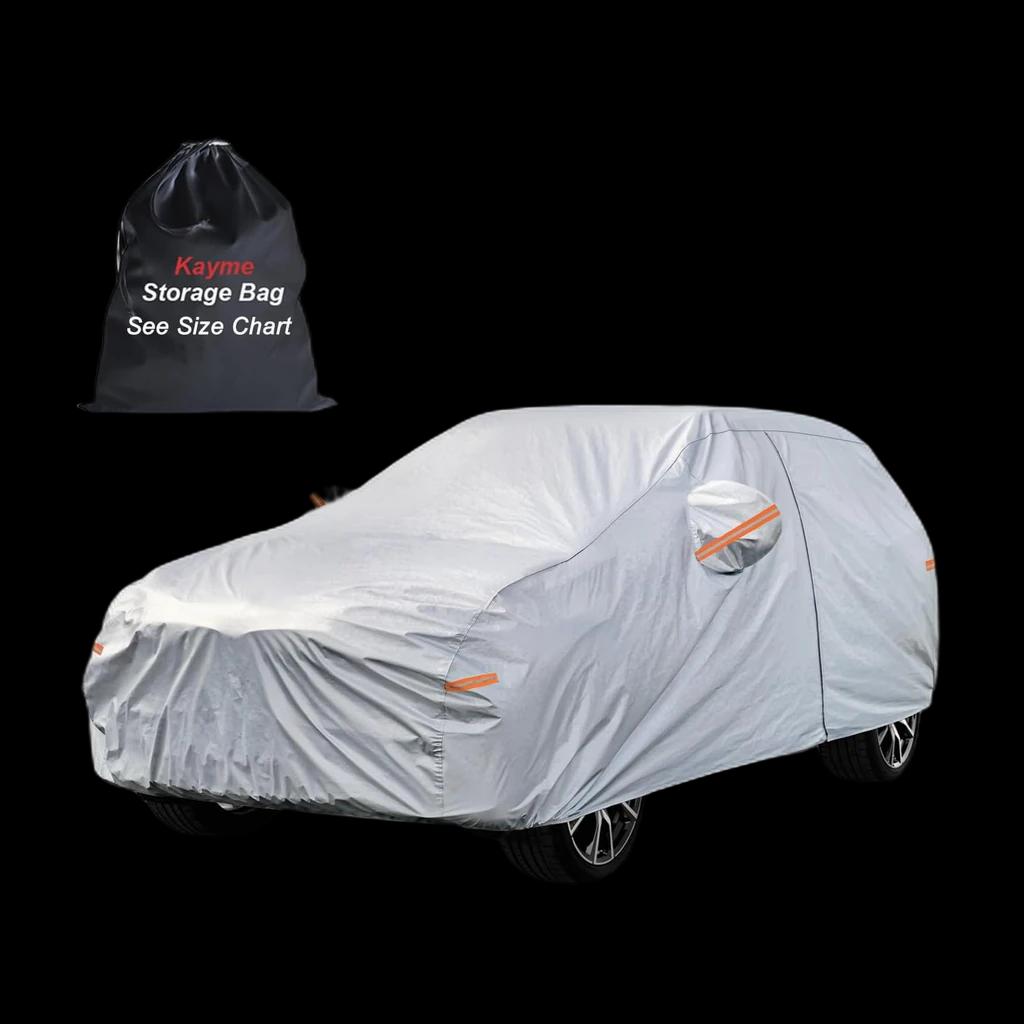
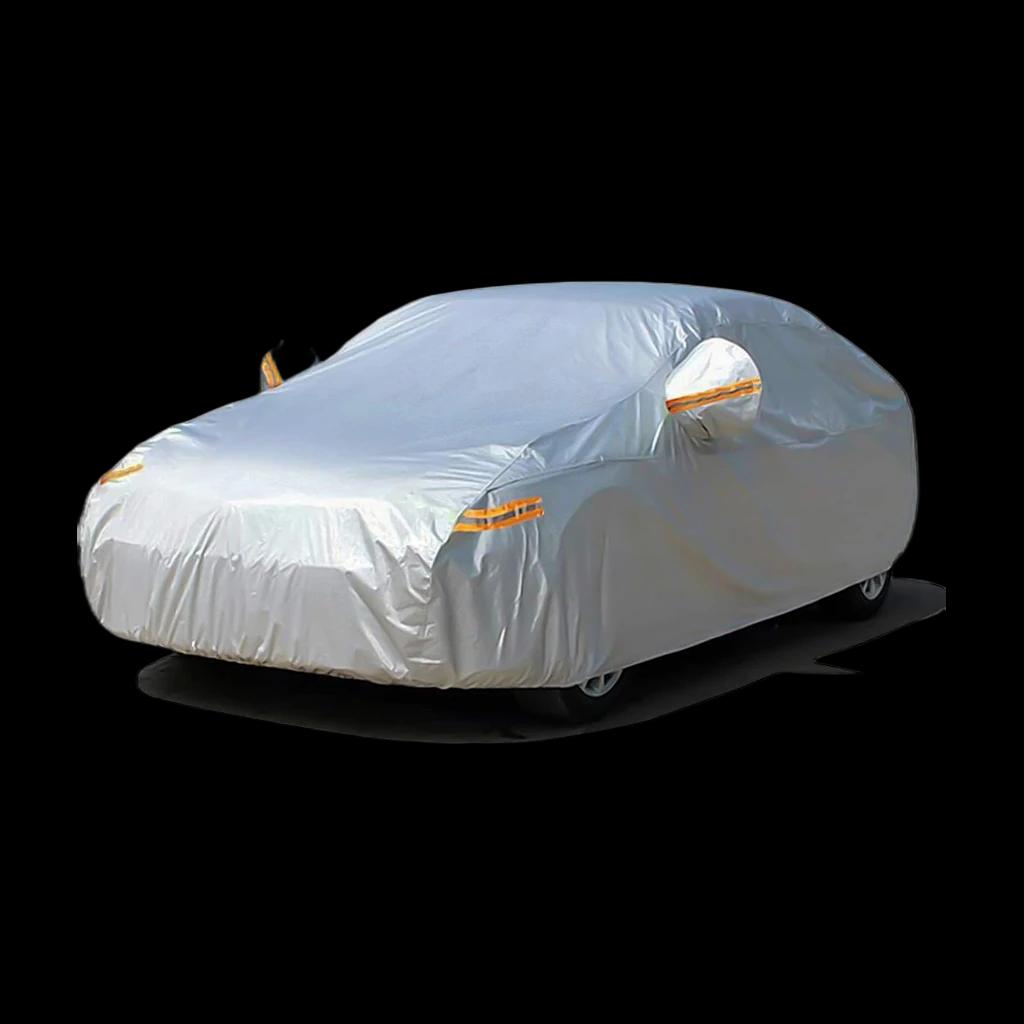
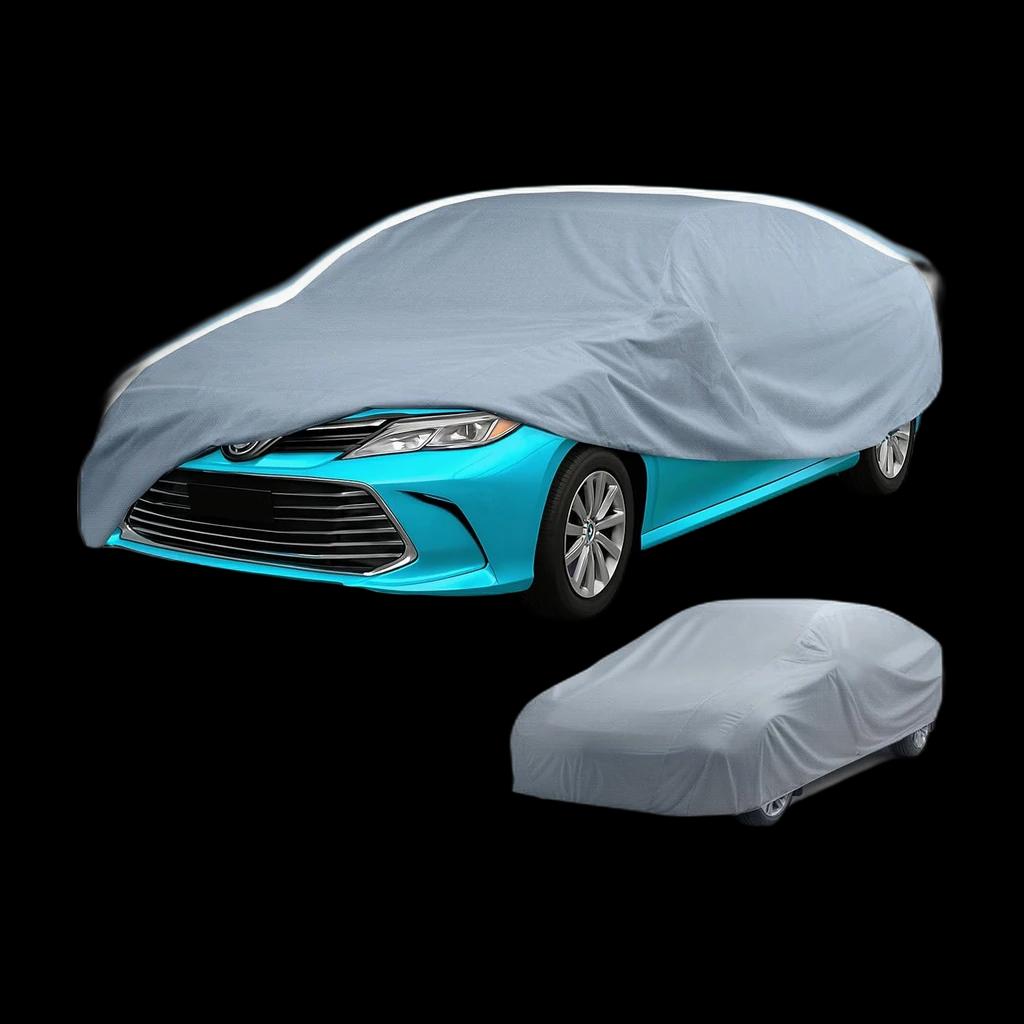
| Verdict | The outdoor pick for a car that gets covered and uncovered often: a multi-layer cover EzyShade sells as waterproof, with three buckled underbody straps to stop the wind shuffling it. Size it from EzyShade's own chart. | The heavy SUV option: a multi-layer waterproof cover sized from Kayme's vehicle chart (S1 to S5), with front and rear straps on the listing. Like EzyShade, it is a cover to take off regularly rather than leave on for a season. | The budget outdoor cover: two layers sold as waterproof, a driver-door zipper so you can get in without uncovering the car, and front and rear straps. The universal cut fits sedans up to 200 inches, so check your length. | The breathable outdoor option for a car left covered for longer: a single non-woven layer sized for sedans 196 to 205 inches, with a buckled middle strap and elastic hem. Its listing says waterproof and breathable; treat it as water-resistant. | The garage pick: a single-layer, soft non-abrasive polypropylene dust cover with a full elastic hem, for SUVs up to 162 inches. Budge positions it for indoor use, so keep it out of the rain. |
| Price | $54.32 with PrimeBuy on Amazon | $60.76 with PrimeBuy on Amazon | ~$39.49Buy on Amazon | ~$35.99Buy on Amazon | ~$49.99Buy on Amazon |
| Water claim | Waterproof (listing) | Waterproof (listing) | Waterproof (listing) | Waterproof and breathable (listing) | Breathable, indoor (listing) |
| Fit | Vehicle size chart | Vehicle size chart | Sedans up to 200 in | Sedans 196 to 205 in | SUVs up to 162 in |
| Wind hardware | 3 buckled straps | Front and rear straps | Front and rear straps | Middle strap, elastic hem | Elastic hem |
| Pros |
|
|
|
|
|
| Cons |
|
|
|
|
|
* Prices are approximate. Click Buy to see current pricing on Amazon.
Which cover fits how you park
| If your situation is… | Pick | Why |
|---|---|---|
| Daily driver parked outside, uncovered most days | EzyShade Car Cover | Three buckled underbody straps keep it still in wind, and because it comes off often, moisture doesn't sit under the waterproof shell. |
| Car stored outside for weeks without being moved | Leader Accessories All-Weather | Breathable fabric lets moisture escape, the point Covercraft and Coverking both make. Keep the sides off the ground for airflow. |
| Garage or carport storage | Budge Lite SUV Car Cover | Soft, non-abrasive, breathable dust cover that Budge positions for indoor use. |
| Tight budget, and you need to reach the cabin | SEAZEN 2-Layer Car Cover | A driver-door zipper means you can get in without uncovering the car. Check that your sedan is under 200 inches. |
| Storm or high wind forecast | Take the cover off | Covercraft does not recommend any car cover in high-wind or storm conditions. |
Each pick is one of the products ranked below - this row is for shortcutting based on your situation, not a separate recommendation.
On this page
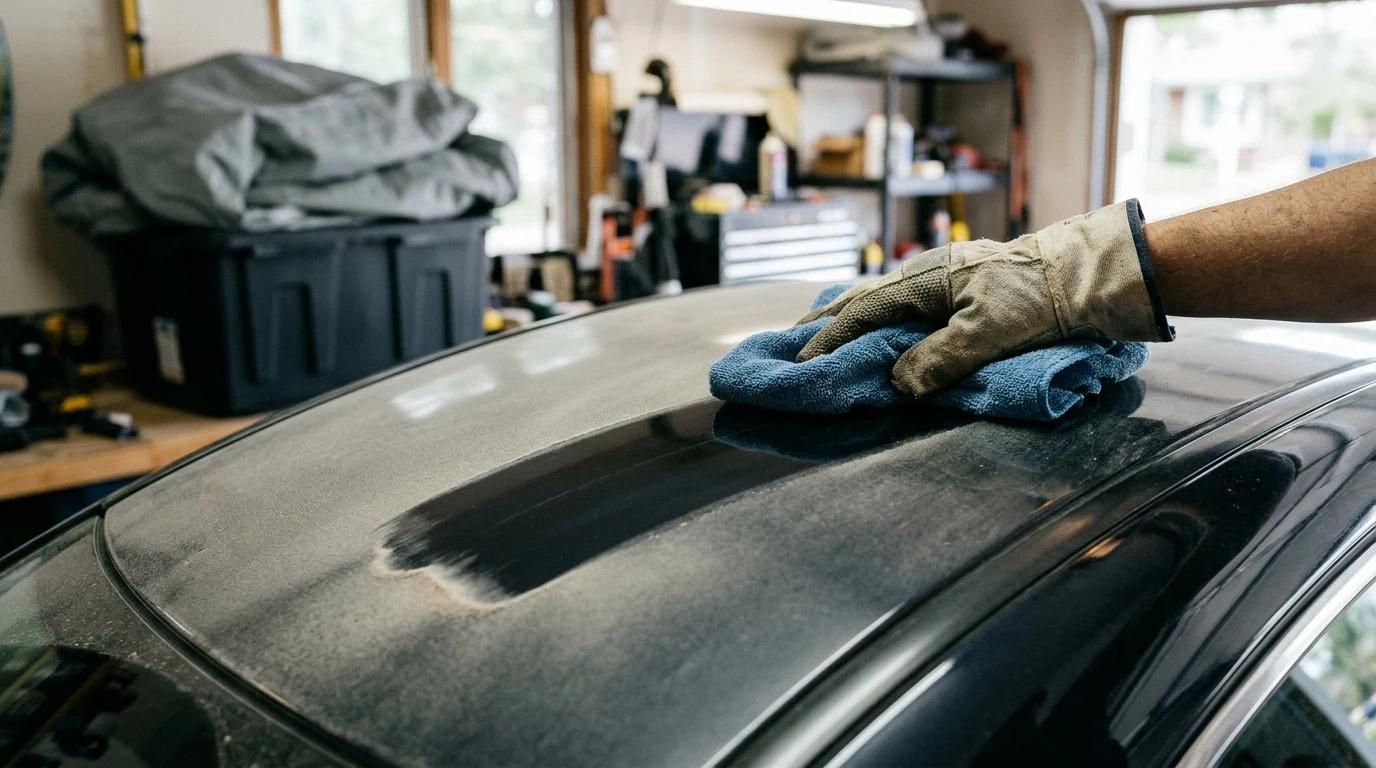
A car cover can damage paint, but rarely because of the fabric itself. The damage comes from grit trapped under the cover, a loose cover rubbing in the wind, or water held against the clear coat. Covercraft, which has made custom covers since 1965, says that with a clean car, a good cover and a proper fit, a cover won't scratch your paint.
Where the experts genuinely split is the fabric. Two cover makers say never buy waterproof. A writer at Hagerty who keeps several cars outside under covers uses a waterproof top and makes it work. We read both sides, then checked the five covers on our car covers page against them.
Three ways a cover hurts paint
Grit turns the lining into sandpaper
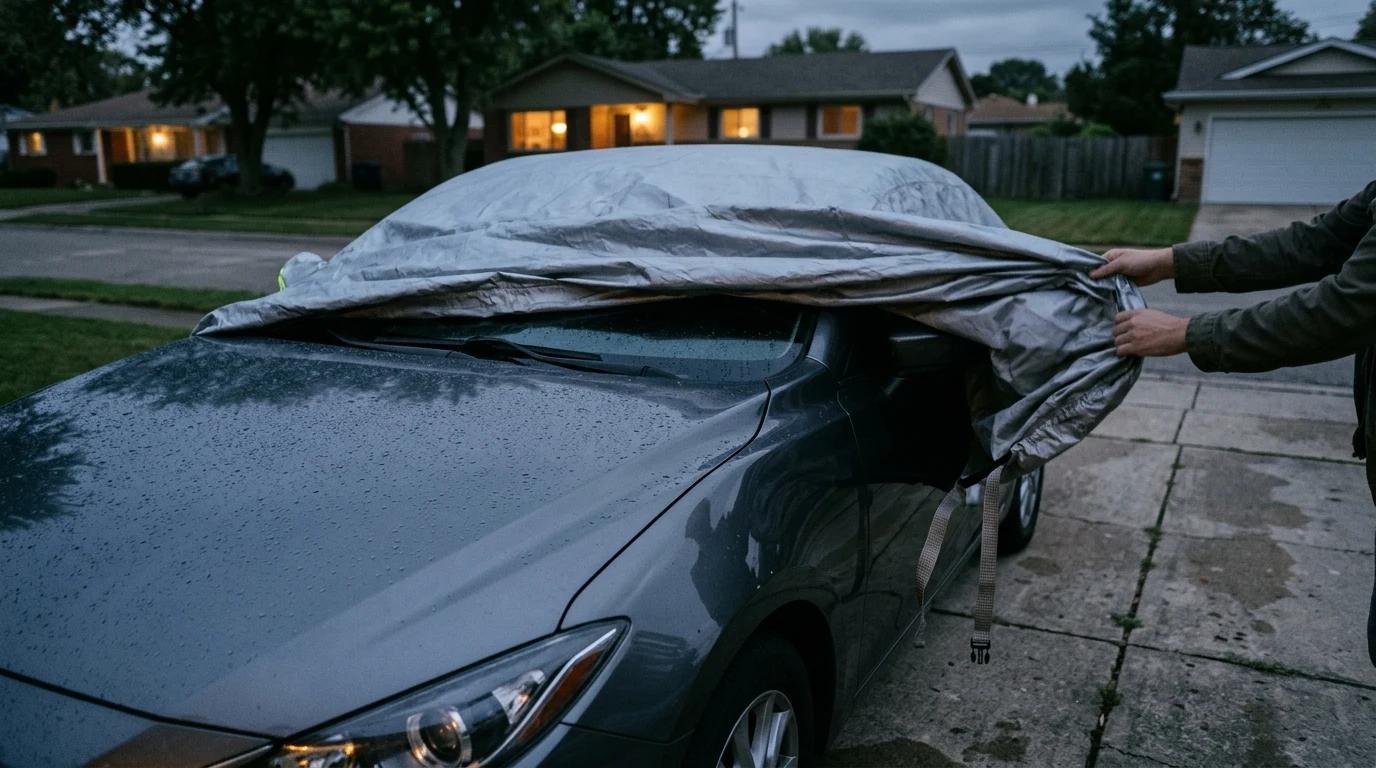
Covercraft says even tiny particles trapped between the car and the cover can act like sandpaper, so both the car and the cover should be clean before use. Hagerty's Norman Garrett adds that the cover should never touch the ground, where it picks up dirt that ends up against the paint.
Wind turns a loose cover into a polisher
A cover that moves in the wind rubs the paint. Covercraft's answer is a snug fit, and in its guide to windy conditions it goes further: it does not recommend any car cover in high-wind or storm conditions, and says taking the cover off is the safest choice.
Water gets held against the finish
Covercraft lists covering a wet car as a cause of water spots and dulling. Garrett calls trapped moisture the number one enemy and says no water at all should be on the car when it is covered. He also warns about water pooling on top of a cover in full sun. He cites a fellow Hagerty writer whose cover let water weep through onto a Lotus, leaving yellow spots on the paint.
| How the damage happens | What causes it | What prevents it | Cover feature that helps |
|---|---|---|---|
| Fine scratches | Grit on the car or inside the cover | Wash the car, keep the cover off the ground | Soft inner lining |
| Scuffing | A loose cover moving in wind | Snug size, straps under the car | Underbody straps, elastic hems |
| Water spots, dulling | Covering a wet car | Dry the car first | None; this one is on you |
| Trapped moisture | Moisture with no way out | Breathable fabric or an airflow gap | Breathable fabric |
What actually prevents damage:
- Washing and fully drying the car before the cover goes on
- Sizing the cover from the maker's own chart, so it sits snug
- Running straps under the car and seating the hems around the bumpers
- Taking the cover off when a storm or strong wind is forecast
What people try that doesn't:
- Throwing a cover over a dusty car "just for tonight"
- Buying a size up to be safe, which leaves loose fabric to flap
- Using a plastic tarp, which Garrett calls too abrasive and not form-fitting enough
- Covering the car straight after rain or a wash
Waterproof or breathable: where the makers disagree
Covercraft does not sell waterproof car covers, and explains why: a true waterproof fabric doesn't breathe, so moisture and humidity trapped underneath have nowhere to go, which it links to rust, corrosion and mold. Its outdoor covers are water-resistant and breathable instead. Coverking's FAQ, as published by retailer TruckID, makes the same case, warning that a waterproof cover can damage a vehicle and that a cover should be water-resistant, not waterproof.
Garrett's Hagerty piece is the field report from the other side. After three years keeping covered cars outside in North Carolina, he uses a cover with a waterproof upper surface and treats condensation as an airflow problem:
- Straps cinched under the car, so wind can't shuffle the cover
- The sides kept off the ground, so air can circulate under the car
- Parking on well-draining concrete, in the sun rather than the shade
The shade point comes from experience. He says parking a covered Miata under trees for five years ruined its interior, with mold first and mice after it.
Where both camps agree: moisture needs a way out, either through the fabric or under the car. A cover that seals water in and sits on the ground fails either test.
How our five ranked covers line up
Three of the five covers we rank are sold as waterproof, which by Covercraft's reasoning means they don't breathe. One listing claims both.
| Cover | Layers | Water claim (listing) | How it's sized | Wind hardware (listing) |
|---|---|---|---|---|
| Kayme SUV Car Cover | Multi-layer | Waterproof | Vehicle chart, sizes S1 to S5 | Front and rear straps |
| EzyShade Car Cover | Multi-layer | Waterproof | Vehicle chart (we list A4) | Three underbody straps with buckles |
| SEAZEN 2-Layer Car Cover | 2-layer | Waterproof | Sedans up to 200 inches | Front and rear straps, elastic ends |
| Leader Accessories All-Weather | Single-layer | Listed as waterproof and breathable | Sedans 196 to 205 inches | Buckled middle strap, elastic hem |
| Budge Lite SUV Car Cover | Single-layer | Breathable, indoor dust cover | SUVs up to 162 inches | Full elastic hem |
Read the Leader claim carefully. If a true waterproof fabric doesn't breathe, a single layer can't fully be both, so treat it as water-resistant and breathable, which is how we rank it. Budge sells the Lite as an indoor cover in soft, non-abrasive polypropylene, so it belongs in a garage, not under open sky.
Rule of thumb: a waterproof cover suits a car that gets uncovered often. A cover left on for weeks should breathe.
A one-minute routine before the cover goes on
- Check the forecast. In high wind or a storm, leave the cover off.
- Make sure the car is clean and completely dry.
- Carry the cover to the car instead of dragging it across the ground.
- Seat the elastic hems around both bumpers and line up the mirror pockets, as Covercraft advises.
- Snug the straps under the car so the sides can't lift.
- After heavy rain, check the top for pooled water.
What we couldn't pin down
- Hail: none of our five covers claims hail protection. If hail is why you're shopping, buy a cover whose maker states it.
- Freshly painted cars: many guides give a fixed wait before covering new paint. We couldn't trace a figure to a paint maker, so ask the shop that painted the car.
Common questions
Do car covers scratch paint?
Is it bad to put a car cover on a wet car?
Should a car cover be waterproof or breathable?
Can I leave a car cover on in strong wind?
Is a car cover better than a tarp?
Research Sources
- Covercraft support: Will My Car Cover Scratch My Paint? (dirt, wind movement, wet cars, fit)
- Covercraft support: Why We Don't Make Waterproof Car Covers (trapped moisture, breathable fabrics)
- Covercraft support: Choosing the Best Car Cover for Windy Conditions (securing, removal in storms)
- Hagerty Media: 6 essential tips for car cover success, by Norman Garrett
- Coverking car covers FAQ, as published by TruckID (waterproof vs water-resistant, wet vehicles)