Best Tire Inflators
Cordless and 12V portable tire inflators compared on power source, auto-shutoff, maker-stated pressure and duty cycle: whether it can finish all four tires.
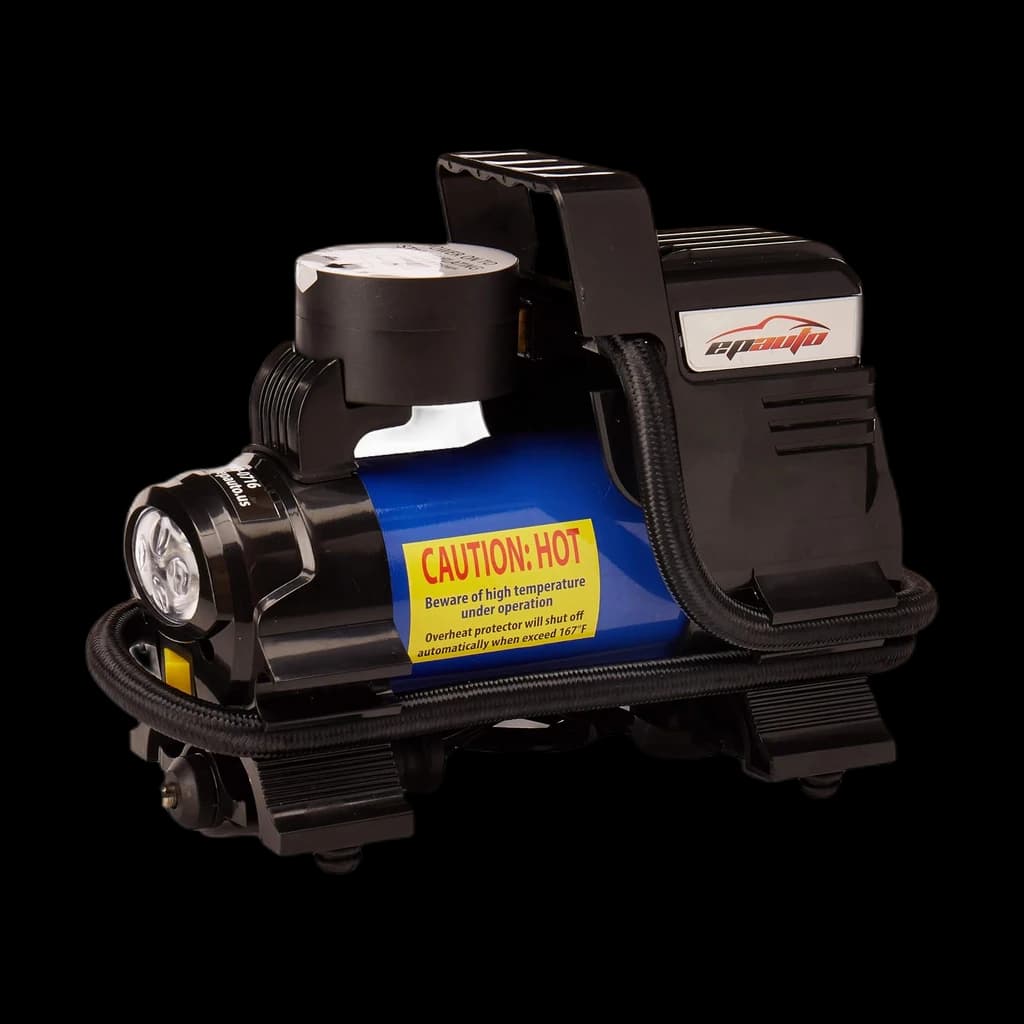
Researched as the best-value default: a 12V corded pump with a programmable auto shut-off that stops at your target PSI, backed by nearly 59,000 ratings at 4.5 stars. Slower than cordless pumps and tethered to the outlet, but hard to beat for reliability per dollar.
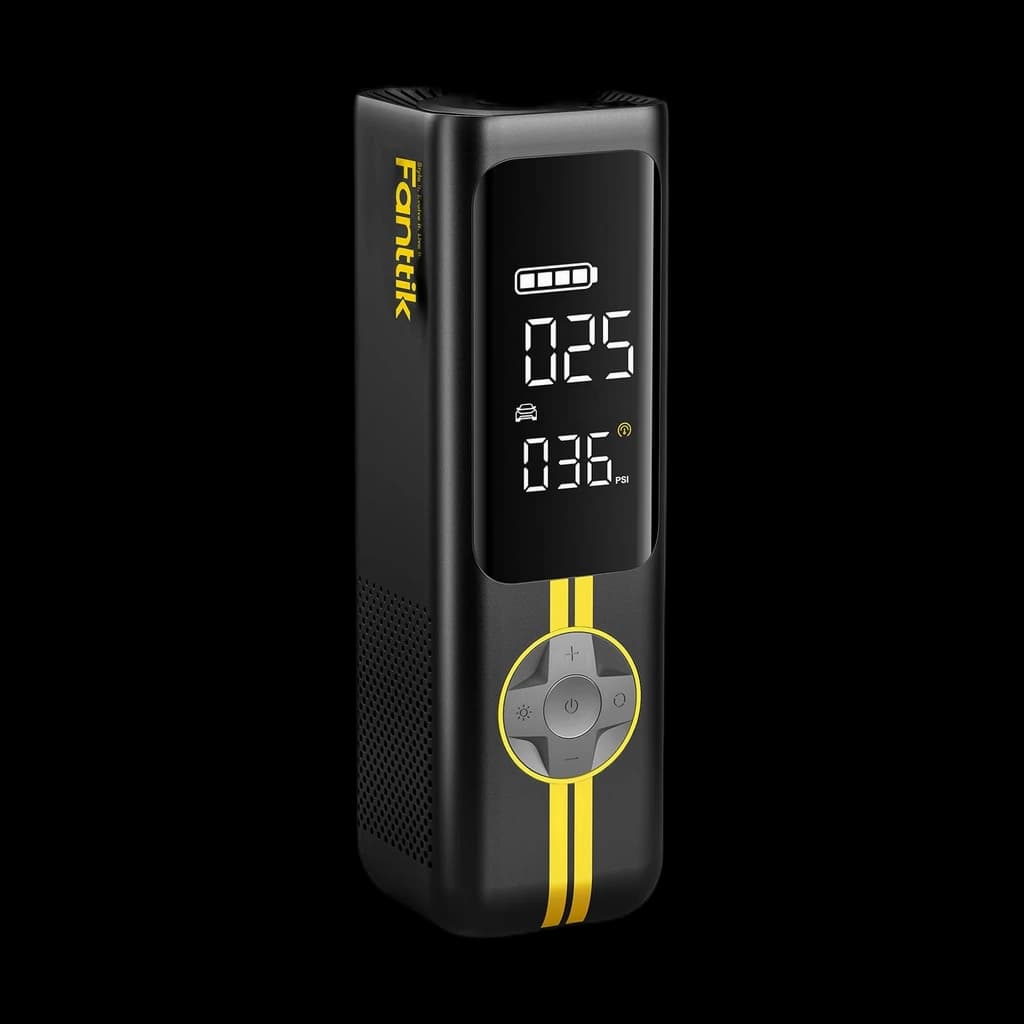
Researched as the best all-around cordless inflator: a fast, well-calibrated 150 PSI pump that refills a mid-size car tire in about a minute and holds a 4.6-star average across 6,500+ ratings. The dual LED screen and preset modes make it the easiest pick for drivers who want to skip the 12V cord.
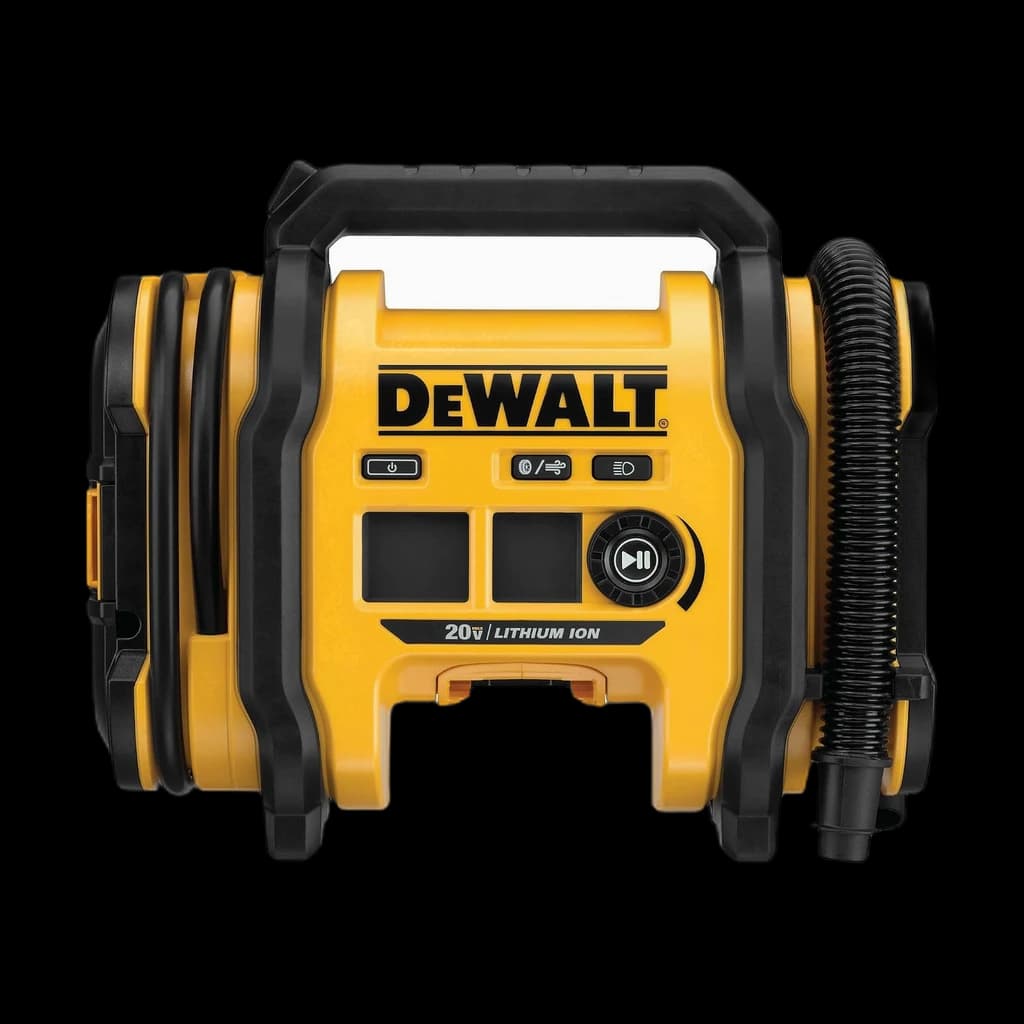
Researched as the pick for DEWALT 20V battery owners: DEWALT says the inflator runs on any of three power sources (a 20V MAX battery, 12V DC, or 110V AC), with automatic shut-off and a work light. It earns 4.6 stars across 18,000+ ratings, but it ships as a bare tool: DEWALT sells the battery, charger and AC power adapter separately.
As an Amazon Associate we earn from qualifying purchases.
Best Overall is an editorial pick, chosen for the job most buyers in this category are actually doing. DriveScore is a published supporting signal, not the tiebreaker — a cheaper, narrower product can out-score the pick and still be the wrong buy. How we rank.
- Tire guides hub →
Correct pressure, sidewall sizes and DOT date codes, in one place.
What matters most to you?
Best overall is our editorial pick; the rest are derived from the published sub-scores.
Our editorial pick — the best fit for what most buyers in this category need. Researched as the best all-around cordless inflator: a fast, well-calibrated 150 PSI pump that refills a mid-size car tire in about a minute and holds a 4.6-star average across 6,500+ ratings. The dual LED screen and preset modes make it the easiest pick for drivers who want to skip the 12V cord.
All 5, ranked — deltas vs. the winner
EDITORIAL RANK · DRIVESCORE SHOWN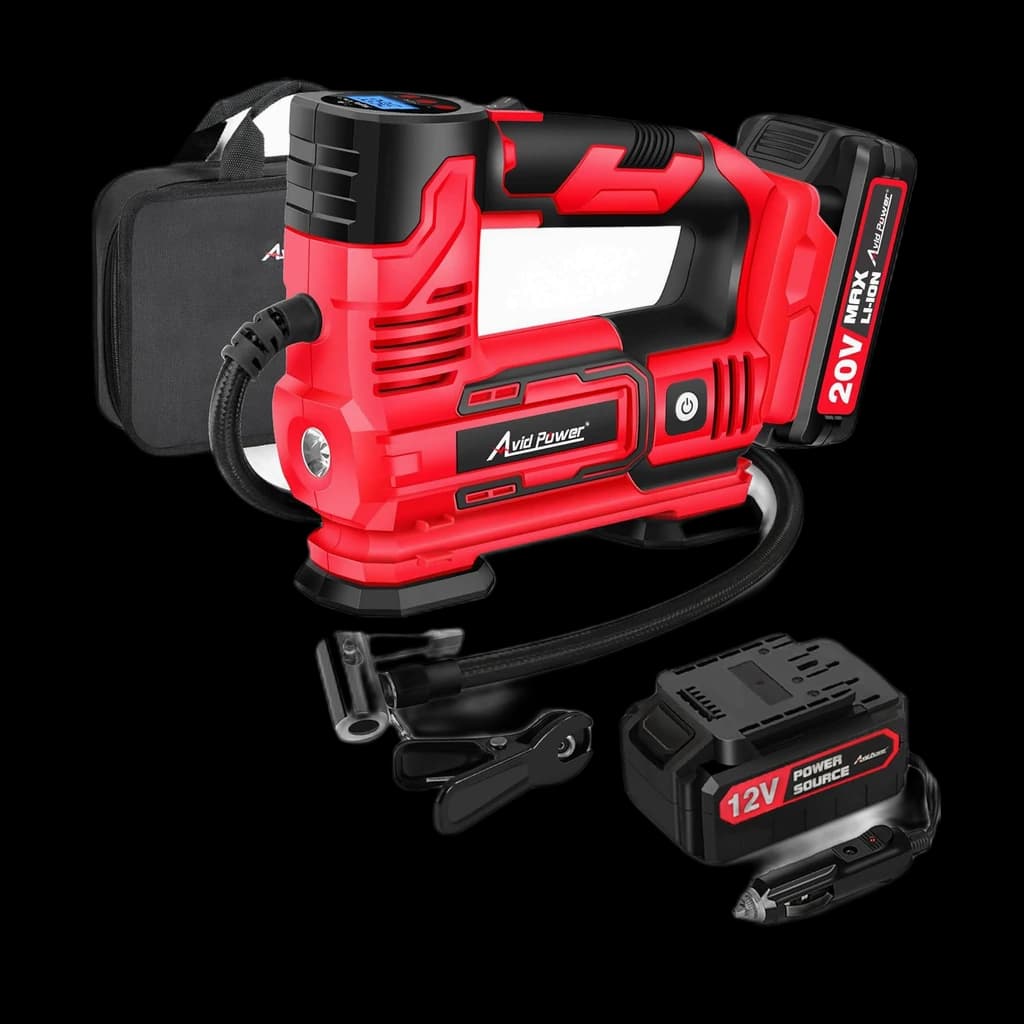
How to actually pick one
Almost every inflator lists a max PSI far above what a passenger tire needs (~32–36 PSI), so that number is nearly irrelevant. What separates good from bad is duty cycle — cheap units overheat and shut down after one or two tires — and gauge accuracy, since an inflator that reads 4 PSI high defeats the purpose. Cordless units are the modern default for roadside convenience; corded 12V units are cheaper and never run out of charge but tether you to the car. Auto-shutoff at a preset pressure is the single best convenience feature. For trucks and larger SUVs, buy a higher-flow unit or you'll be standing there a while.
Cold mornings
Tire pressure falls with the temperature. Continental puts the drop at roughly 1 to 2 PSI for every 10°C (about 18°F), which is why the first cold snap of autumn sets off so many tire-pressure warning lights. Set pressure cold, before you drive, to the figure on the driver's door-jamb placard rather than the sidewall maximum, and recheck every couple of weeks through winter as Continental advises. A cordless inflator with auto-shutoff makes that a two-minute job in the driveway. If the warning light is already on, start with what to do when the tire pressure light comes on.
Why the placard number is the right one: what tire pressure should I run. Sidewall codes, tire age and pressure are all on the tires hub.
What r/MechanicAdvice say
▶Research Sources (3)
Frequently asked questions
Are portable tire inflators any good?
For topping up, yes; that is the job they are built for. A cordless or 12V inflator with auto-shutoff brings a tire back to its placard pressure without a gas-station trip. Where they fall short is volume: small units can be slow on large truck tires, and budget units may need to cool down between tires, so check the maker's duty-cycle or run-time note before relying on one for a full set.
Cordless or 12V corded tire inflator?
Cordless units, like the Fanttik X8 Apex we rank first, run from a rechargeable battery, so you can use them anywhere, but a flat battery means no air. 12V corded units, like the EPAuto, plug into the car's power socket and never run out, but tether you to the car. The DEWALT DCC020IB does both: cordless on a 20V battery, or corded.
How accurate is the gauge on a tire inflator?
DriveScored does not measure gauge accuracy, and makers rarely publish a tolerance, so treat the built-in readout as a convenience. Check it once against a separate quality gauge, which Continental recommends using, and remember that auto-shutoff stops at whatever the built-in gauge reads.
Should I add air to my tires when it is cold?
Set pressure cold, before driving, to the number on the driver's door-jamb placard. As the weather cools, pressure drops on its own: Continental puts it at roughly 1 to 2 PSI per 10°C (about 18°F), and NHTSA's winter guidance says to keep each tire at the vehicle maker's recommended pressure as temperatures fall.
What tire pressure should I run? →