Best EV Home Chargers
Level 2 home EV chargers compared on maximum amperage, connector type, install options (plug-in or hardwired) and smart features.
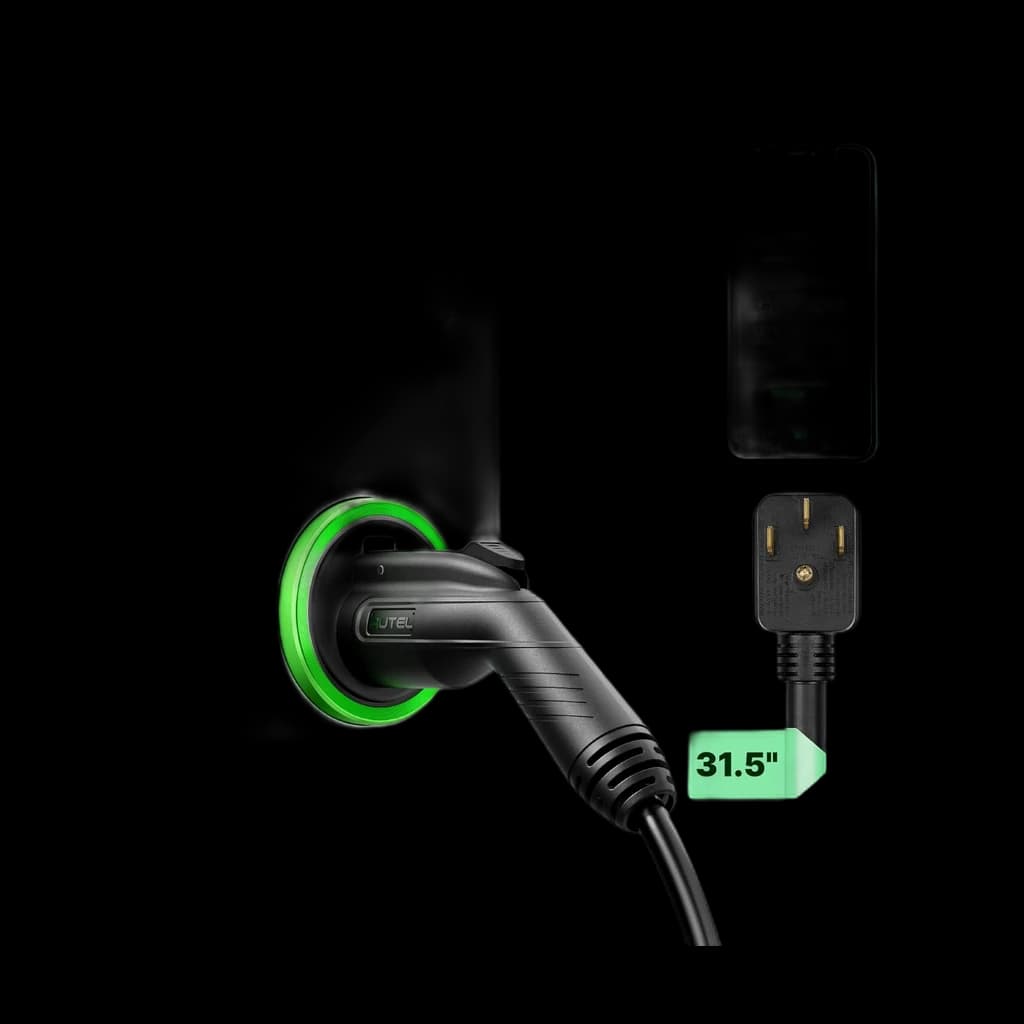
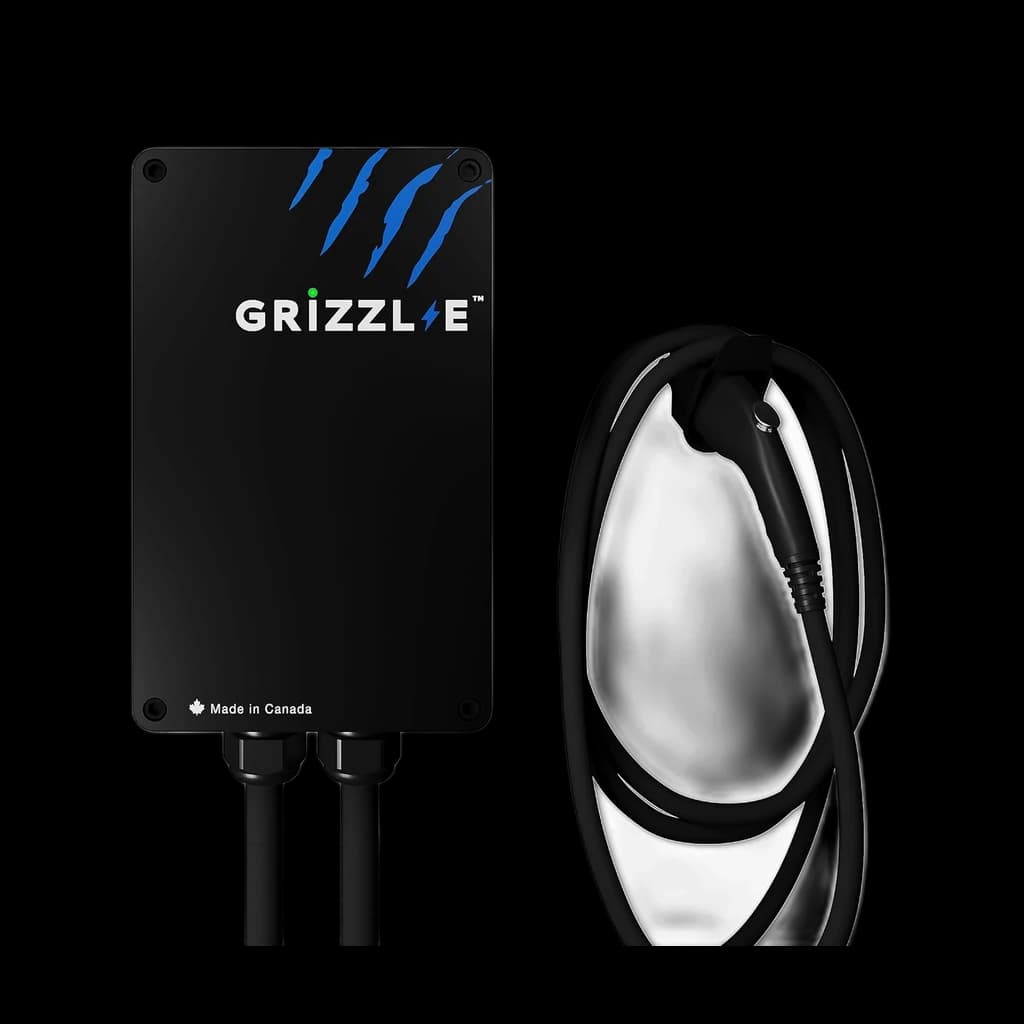
A well-built 40A smart charger with both WiFi and Bluetooth and a flexible 25 ft cable. Capable and cleanly rated, but the review base on this NEMA 14-50 plug variant is still small versus the category leaders.
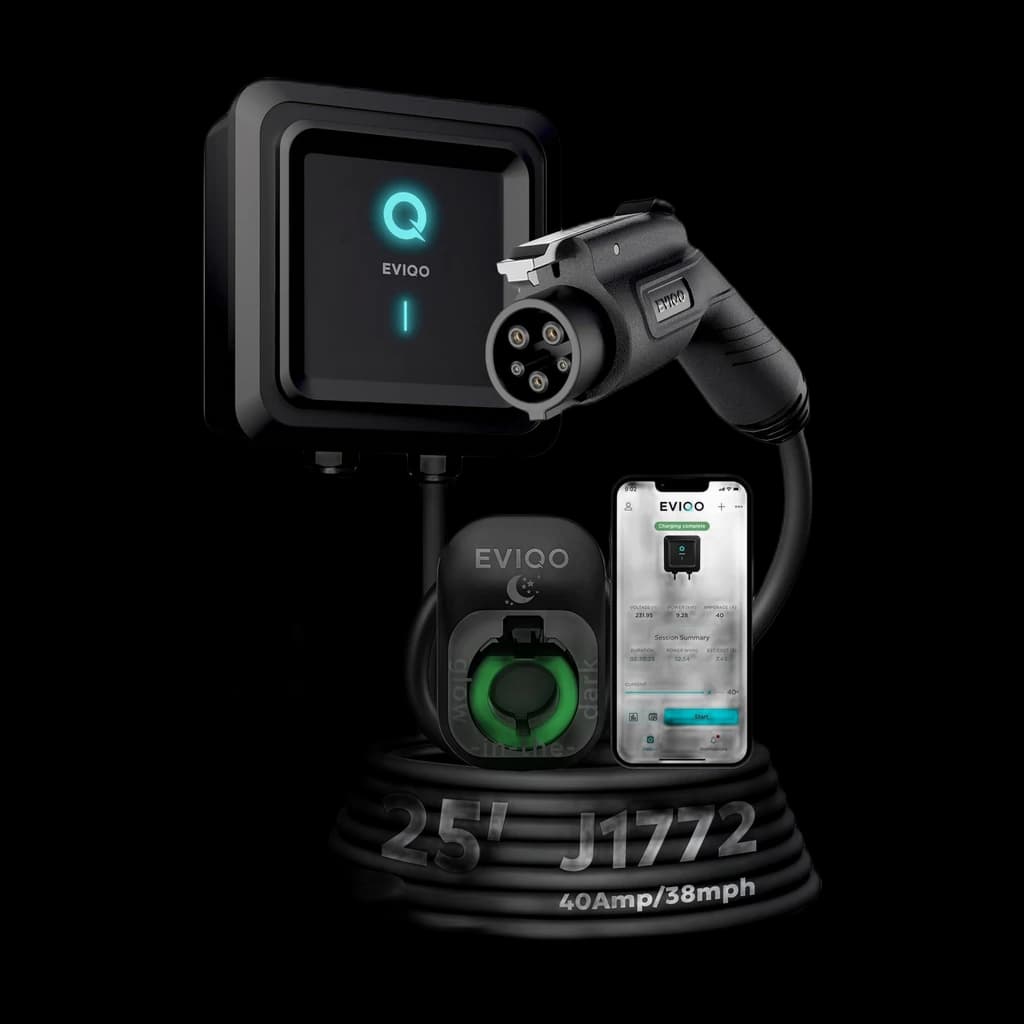
A strong value smart charger: 40A, WiFi app, IP66/NEMA 4 weatherproofing and a 4.7-star average, at a price that undercuts the premium tier. The pick when you want app scheduling without spending $500+.
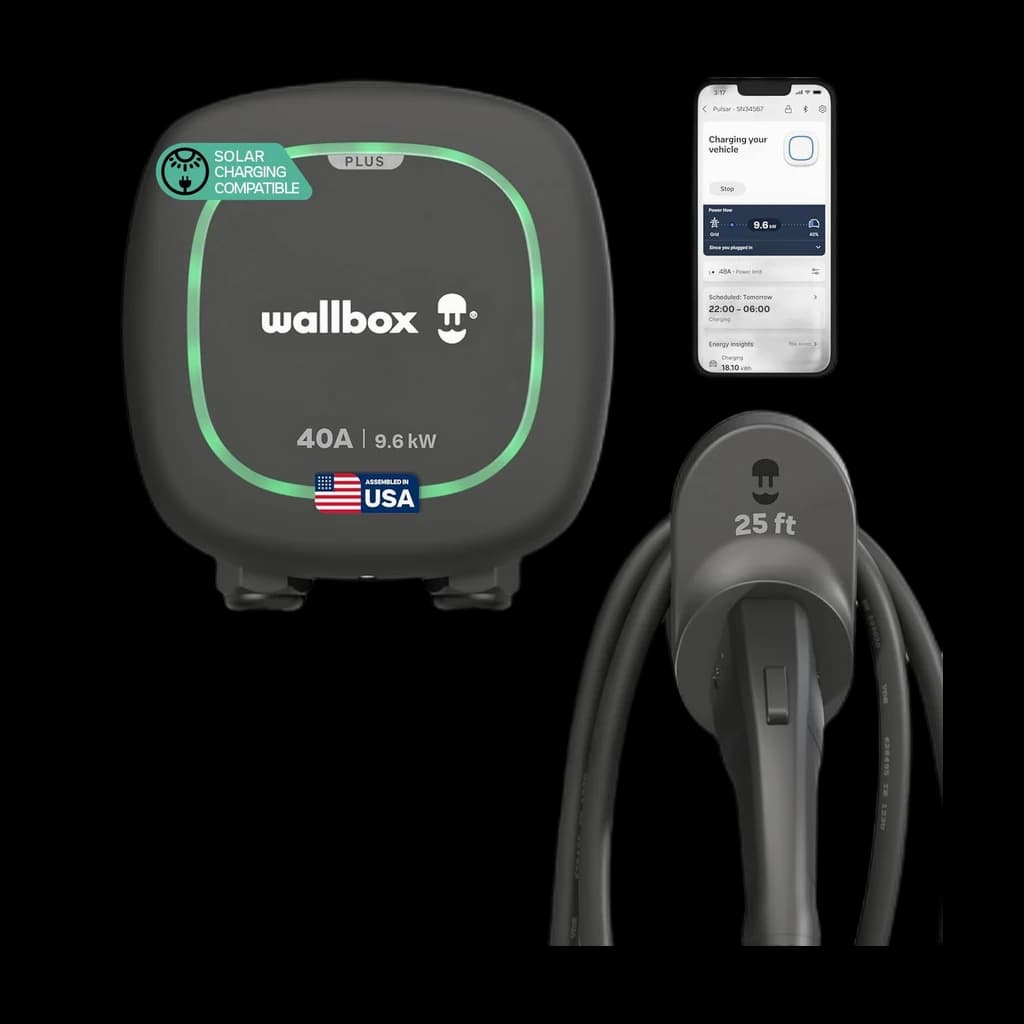
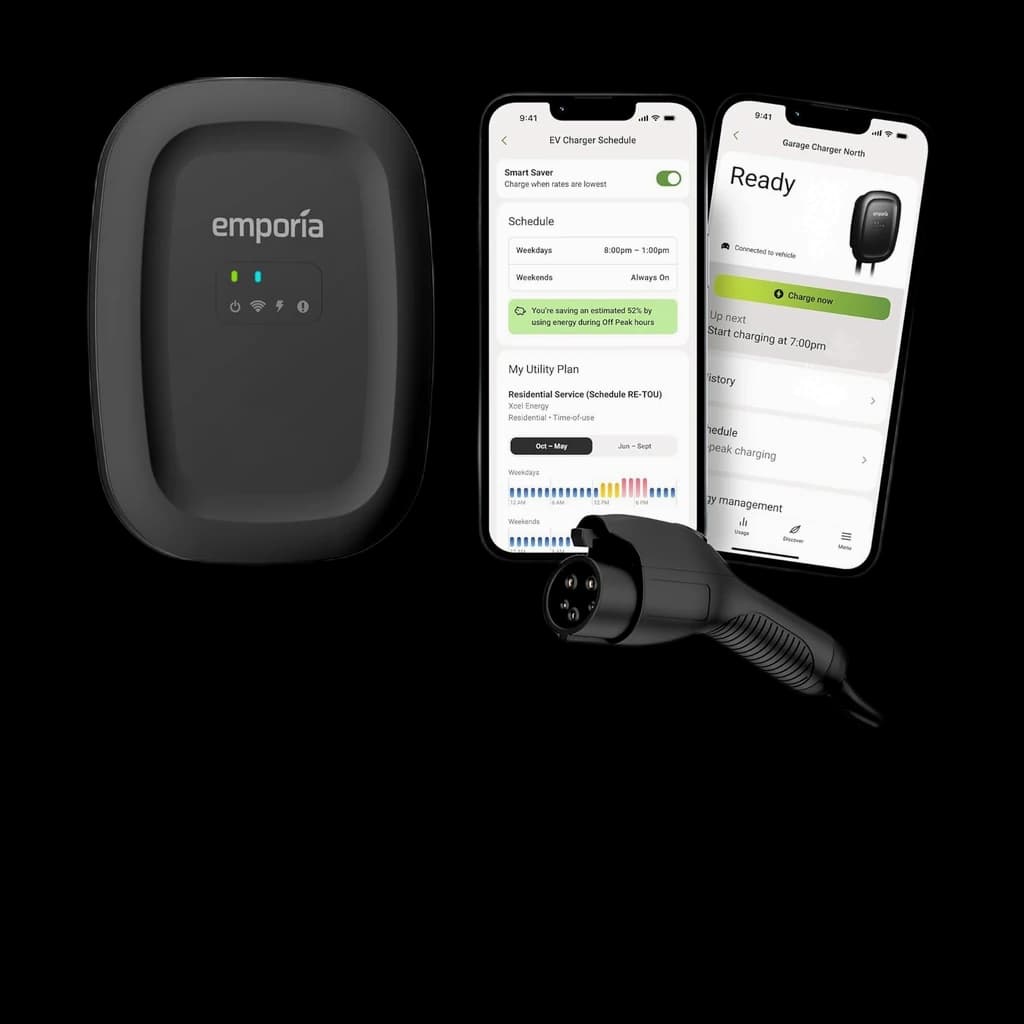
Researched as the compact smart-charger pick to replace the delisted Emporia. Wallbox's Pulsar Plus delivers a 40A (9.6kW) Level 2 charge over a J1772 plug, with Wi-Fi and Bluetooth scheduling to shift charging to off-peak rates. Owners rate it 4.3/5. It's the priciest pick in this category, and the app is most of what you're paying for over a plainer 40A unit.
As an Amazon Associate we earn from qualifying purchases.
Best Overall is an editorial pick, chosen for the job most buyers in this category are actually doing. DriveScore is a published supporting signal, not the tiebreaker — a cheaper, narrower product can out-score the pick and still be the wrong buy. How we rank.
- EV charging calculator →
Estimate what home charging costs on your electricity rate.
What matters most to you?
Best overall is our editorial pick; the rest are derived from the published sub-scores.
Our editorial pick — the best fit for what most buyers in this category need. A strong value smart charger: 40A, WiFi app, IP66/NEMA 4 weatherproofing and a 4.7-star average, at a price that undercuts the premium tier. The pick when you want app scheduling without spending $500+.
All 6, ranked — deltas vs. the winner
EDITORIAL RANK · DRIVESCORE SHOWN
How to actually pick one
Level 2 (240V) is the home standard. Charging speed scales with amperage, but the circuit sets the ceiling: ChargePoint's install table pairs 32A charging with a 40A breaker, 40A with 50A and 48A with 60A, and estimates roughly 25, 30 and 36 miles of range per hour at those settings. A 48A charger on a 40A circuit is simply set down to 32A. The US Department of Energy notes that some homes lack the electrical capacity for Level 2 without added circuits, so get an electrician's answer before choosing a charger.
Plug-in or hardwired is the next decision. A NEMA 14-50 plug-in unit is easier to install and to take with you, but ChargePoint limits plug-in installs to the 32A and 40A settings; 48A and above must be hardwired.
Connector choice changed in 2026: NACS (SAE J3400) is now native on Tesla, Ford, GM, Rivian, Hyundai/Kia and Honda, while J1772 still covers most non-Tesla EVs through roughly model year 2024. Most chargers we list are sold in both connectors, so match the version to your car rather than buying J1772 by default and living with an adapter.
Smart features (app scheduling to charge on off-peak rates, energy monitoring, load management) save money where time-of-use pricing exists. Weatherproofing (a NEMA 4 or similar enclosure rating) matters if the unit lives outside; DOE notes that outdoor installations need outdoor-rated equipment. Buy for the circuit an electrician confirms you can install, not the biggest number.
More guides for this category
What r/electricvehicles say
Frequently asked questions
How many amps should my home charger be?
Whatever your panel and circuit can actually support. The circuit sets the charging rate: ChargePoint's install table pairs 32A charging with a 40A breaker, 40A with a 50A breaker and 48A with a 60A breaker. The Department of Energy notes that some homes lack the capacity for Level 2 without added circuits, so have an electrician confirm it before paying for speed you can't use.
J1772 or NACS?
Most non-Tesla EVs use J1772; Tesla and newer NACS-port vehicles differ. Buy the connector your car uses, or a verified adapter. It is a five-second check worth doing before anything else.
Plug-in or hardwired install?
A NEMA 14-50 plug-in unit is cheaper to install and portable if you move, but ChargePoint limits plug-in installs to its 32A and 40A settings; 48A and above must be hardwired. Either way this is a 240V circuit, so use a licensed electrician.