EV Home Chargers: How to Pick Amperage, Connector, and Not Overpay
For most homes, choose the Autel MaxiCharger 40A: a plug-in smart charger with Wi-Fi and Bluetooth control, a 25 ft cable and an indoor/outdoor rating, through a standard NEMA 14-50 plug. Before you buy any charger, have an electrician confirm your panel can supply the circuit. If you pay one flat electricity rate, the simpler Grizzl-E Classic with no app is enough.
Our #1 Pick
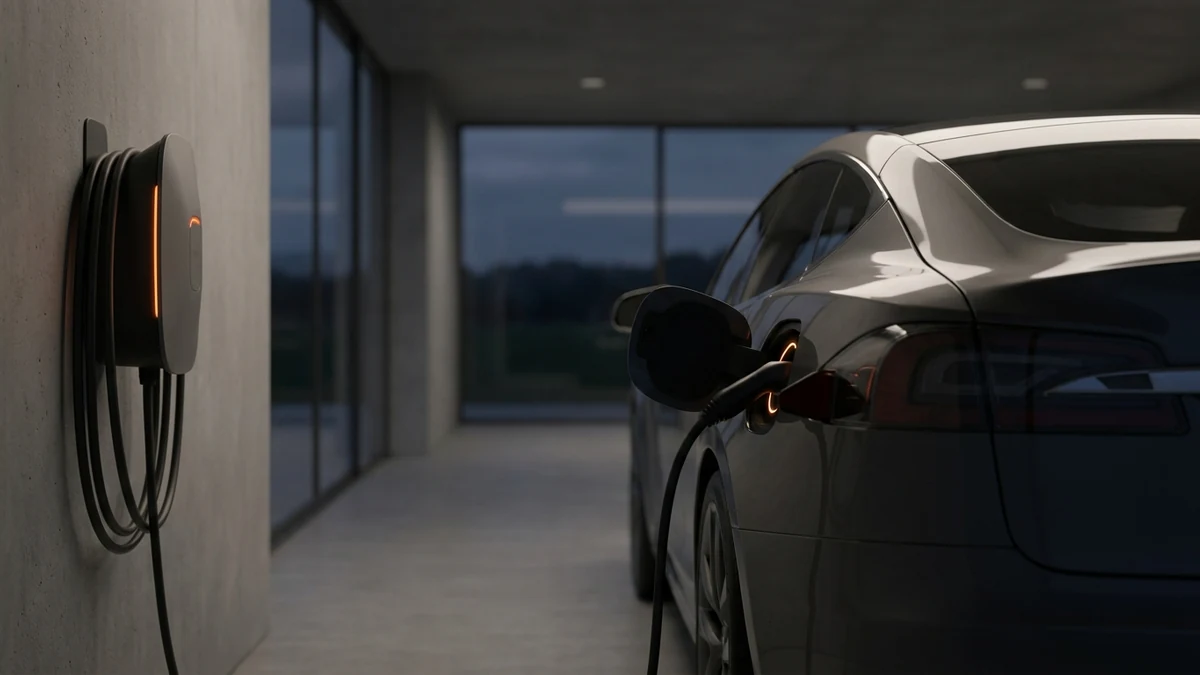
Our top pick: up to 40A through a NEMA 14-50 plug, Wi-Fi and Bluetooth app control, a 25 ft cable and an indoor/outdoor rating, sold new by Autel.
Also Great
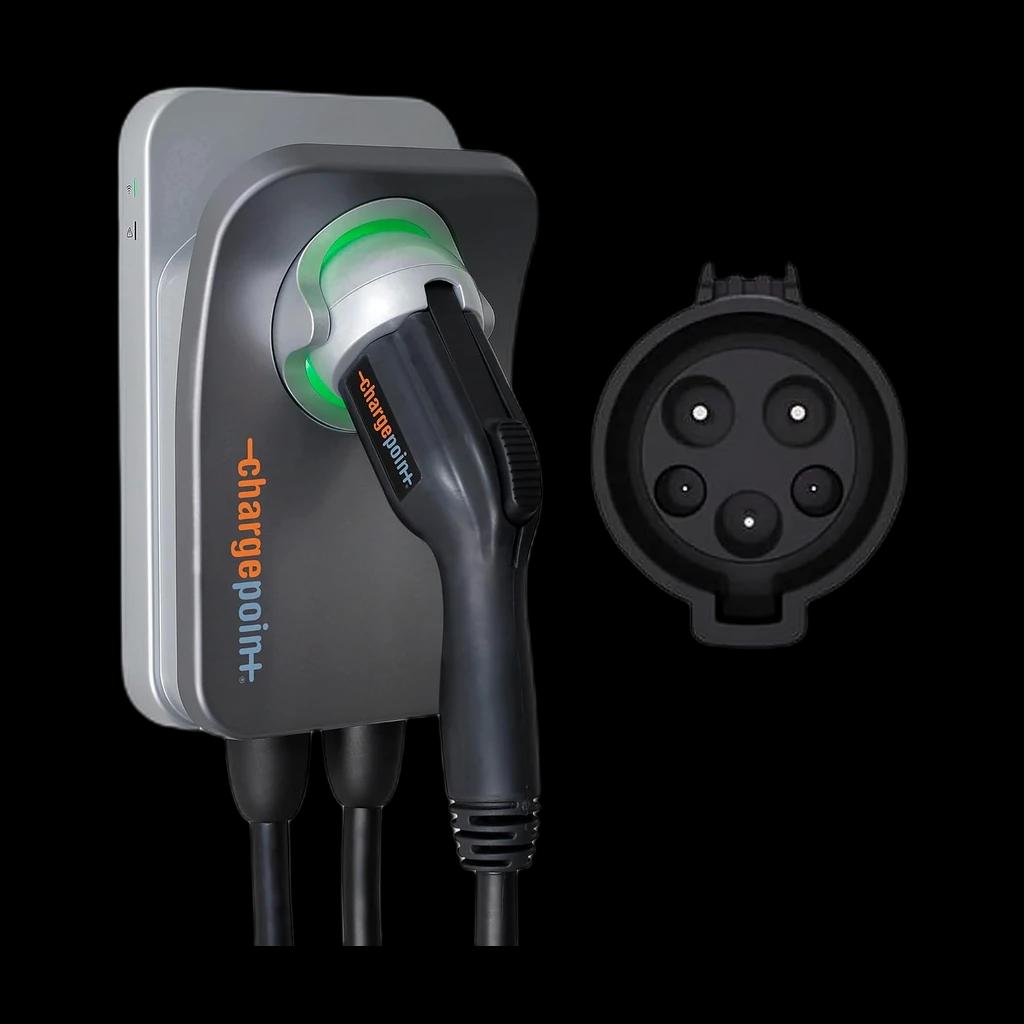
Spend more: ChargePoint Home Flex — up to 50A smart charger (J1772) ($549.00) - hardwired, configurable up to 50A (ChargePoint-stated), with ChargePoint's established scheduling app.
Our Verdict
Size the charger to your panel and match the connector to your car, because amperage your circuit cannot feed is amperage you never get. The Autel MaxiCharger 40A is our top pick for a smart 40A plug-in you can buy today, the hardwired ChargePoint HomeFlex (up to 50A) is the upgrade, and the rugged Grizzl-E Classic is the no-app alternative.
Key takeaways
- Amperage is a ceiling, not a promise. A 48A charger on a 40A circuit charges at 40A. Your panel, not the charger, usually sets your real speed.
- Match the connector to your car. Most non-Tesla EVs use J1772; Tesla/NACS differ. Buy the one your car uses (or a verified adapter).
- Smart scheduling pays for itself where time-of-use electricity rates exist — charge off-peak automatically.
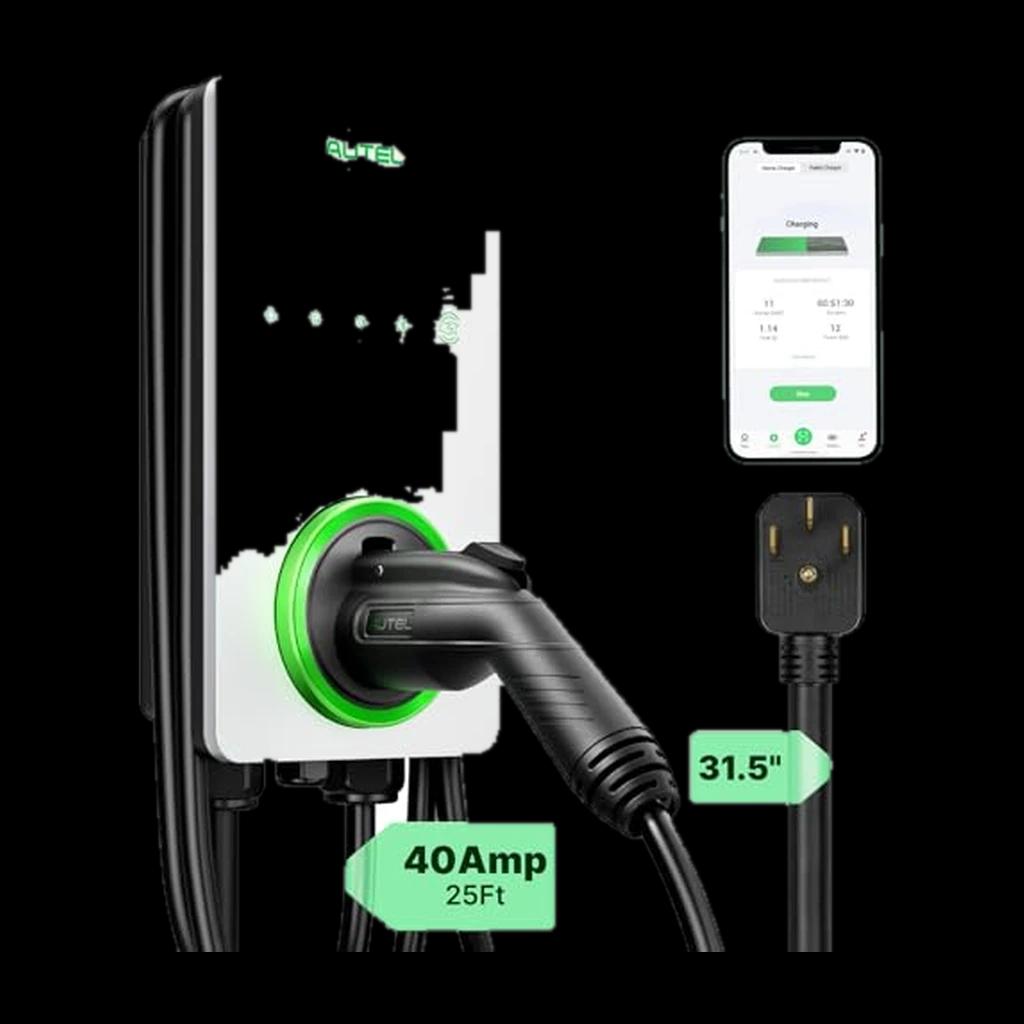
Autel MaxiCharger — 40A WiFi + Bluetooth (J1772)
- Dual WiFi + Bluetooth connectivity for setup and scheduling
- Flexible 25 ft cable rated for cold-weather use
- Indoor/outdoor rated; NEMA 14-50 plug-in
A 40A plug-in smart charger with Wi-Fi and Bluetooth control, a flexible 25 ft cable and an indoor/outdoor rating, sold new by Autel. It is the older tier of Autel's line, but the strongest 40A plug-in we can link to right now.
Side-by-side comparison
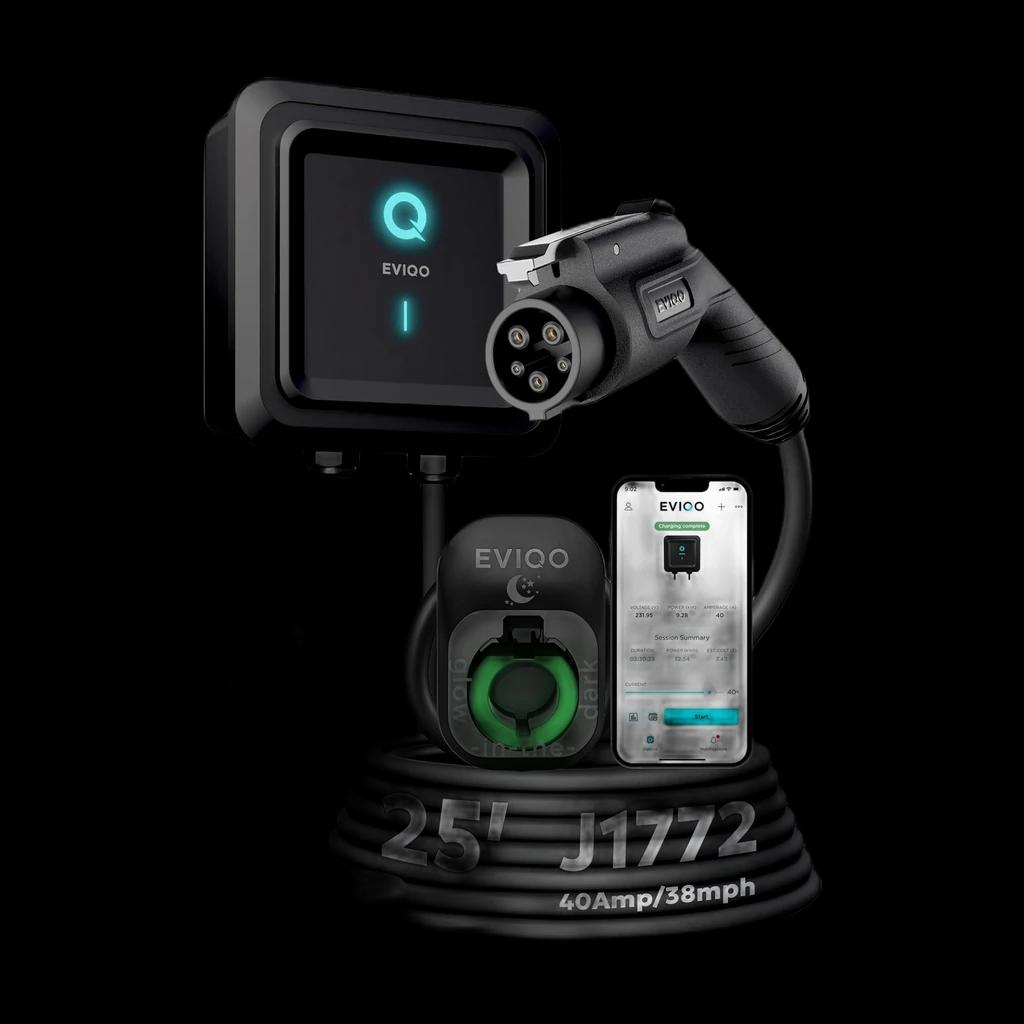
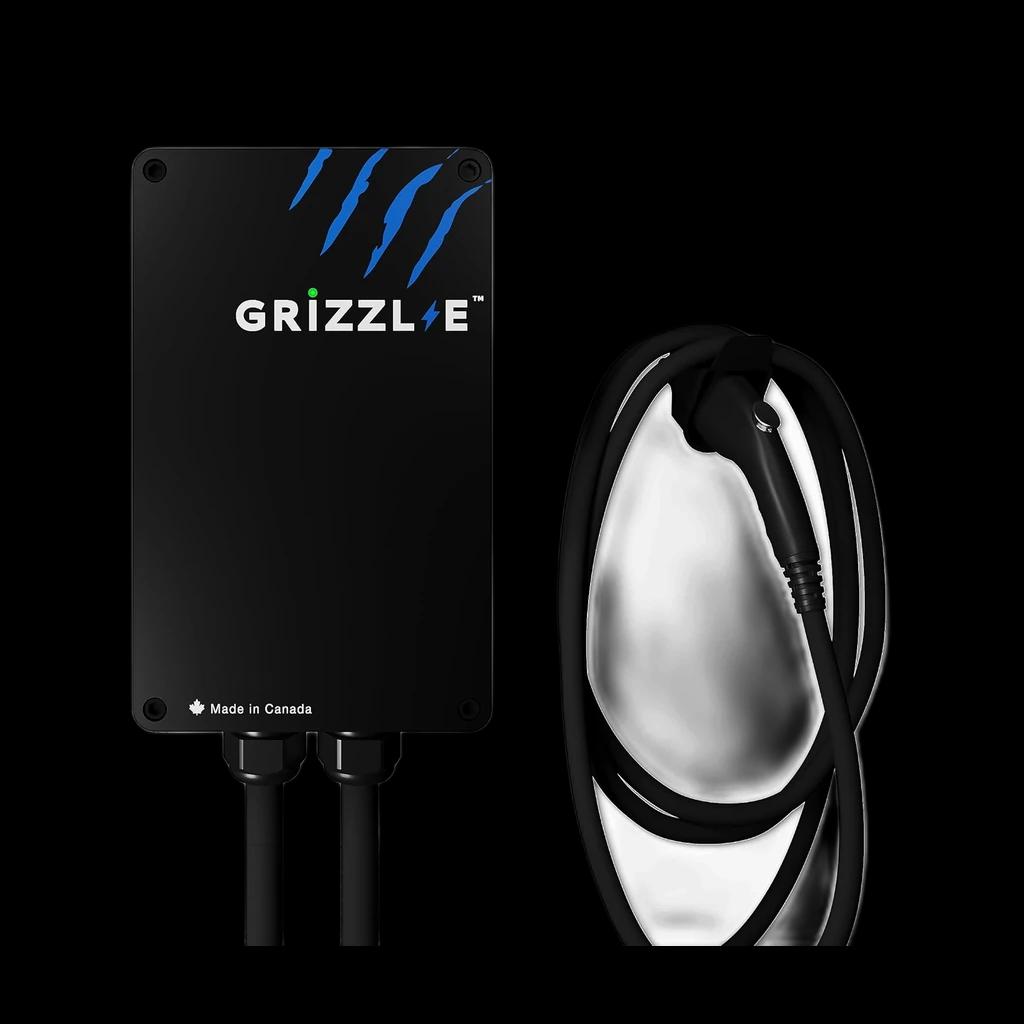
#1Autel MaxiCharger — 40A WiFi + Bluetooth (J1772) 4.5 | #2EVIQO Level 2 EV Charger — 40A WiFi (J1772) 4.7 | #3ChargePoint Home Flex — up to 50A smart charger (J1772) 4.3 | #4Grizzl-E Classic — 40A rugged Level 2 charger (J1772) 4.6 | |
|---|---|---|---|---|
|  |  |  | |
| DriveScored | ||||
| Verdict | Our top pick: a 40A plug-in smart charger with both Wi-Fi and Bluetooth, a flexible 25 ft cable and an indoor/outdoor rating, sold new by Autel. Its review base is smaller than the category veterans', and Autel's newer AC Lite and Elite sit above it, but it is the strongest 40A plug-in we can link to right now. | A strong value smart charger on paper: 40A, WiFi app, IP66/NEMA 4 weatherproofing and a 4.7-star average. Its listing showed no buy option when we checked on November 12, 2026, so the Autel MaxiCharger 40A now leads this ranking. | The most established smart-charging ecosystem, with amperage configurable up to 50A on this hardwired version and one of the best-regarded scheduling apps. We rate it the pick for app polish and network features; the 4.3-star average reflects some WiFi reliability gripes. | The no-frills durability pick: a die-cast metal enclosure, 40A output and adjustable amperage, with no app to fail. We rate it best for owners who want a set-and-forget charger over connected features. |
| Price | ~$357.19Buy on Amazon | ~$427.49Buy on Amazon | ~$549.00Buy on Amazon | ~$299.99Buy on Amazon |
| Amperage | 40A | 40A | Up to 50A | 40A |
| Connector | J1772 | J1772 | J1772 (NACS SKU available) | J1772 |
| Cable Length | 25 ft | 25 ft | 23 ft | 24 ft |
| Smart Features | App + scheduling / WiFi + Bluetooth | App + scheduling / WiFi | App + scheduling / WiFi | None |
| Buyer sentiment | Charging Performance Ease Of Installation Quality App Functionality Buyers praise charging performance, ease of installation, quality and app functionality. Mixed feedback on connectivity. Based on 173 user mentions | Functionality Ease Of Installation Quality Charging Speed Buyers praise functionality, ease of installation, quality and charging speed. Based on 3,408 user mentions | Installation Quality Charging Speed App Compatibility WIFI Connectivity Durability Buyers praise installation, quality, charging speed and app compatibility. Mixed feedback on reliability and value for money. Some flag wifi connectivity and durability. Based on 900 user mentions | Functionality Easy To Install Quality Charging Speed Buyers praise functionality, easy to install, quality and charging speed. Based on 2,461 user mentions |
| Pros |
|
|
|
|
| Cons |
|
|
|
|
* Prices are approximate. Click Buy to see current pricing on Amazon.
The no-frills durability pick: a die-cast metal enclosure, 40A output and adjustable amperage, with no app to fail. We rate it best for owners who want a set-and-forget charger over connected features.
The most established smart-charging ecosystem, with amperage configurable up to 50A on this hardwired version and one of the best-regarded scheduling apps. We rate it the pick for app polish and network features; the 4.3-star average reflects some WiFi reliability gripes.
Which charger for your home
| If your situation is… | Pick | Why |
|---|---|---|
| Best overall: a smart 40A plug-in you can buy today | Autel MaxiCharger 40A | NEMA 14-50 plug-in with Wi-Fi and Bluetooth app control and a 25 ft cable, per Autel. |
| You pay a flat rate and want set-and-forget | Grizzl-E Classic 40A | Rugged, no app to fail; being replaced by the Classic Connect, so buy it discounted. |
| You want a trusted brand name and app ecosystem | ChargePoint Home Flex | Established app with adjustable amperage, up to 50A on this hardwired version. |
Each pick is one of the products ranked below - this row is for shortcutting based on your situation, not a separate recommendation.
On this page
A Level 2 home charger is the single best quality-of-life upgrade for an EV: you leave the house with a full battery most mornings. But the category is full of confusing amperage claims and smart features you may not need. Here is how to buy the right one without overpaying.
Amperage is a ceiling, not a promise
Panel check: a 48A charger on a 40A circuit charges at 40A. The number on the box is the most the unit can deliver; your home's panel and circuit decide what you actually get.
The Department of Energy's Alternative Fuels Data Center makes two points worth knowing before you shop. A qualified electrician can tell you whether your home has enough capacity for Level 2 charging, and can add a circuit if it does not. And the National Electrical Code treats EV charging as a continuous load, which is one reason the circuit has to be sized above the charger's output. Local permits may also apply. For most homes a 40–48A charger is the sweet spot, but only if the panel can feed it.
Get the connector right
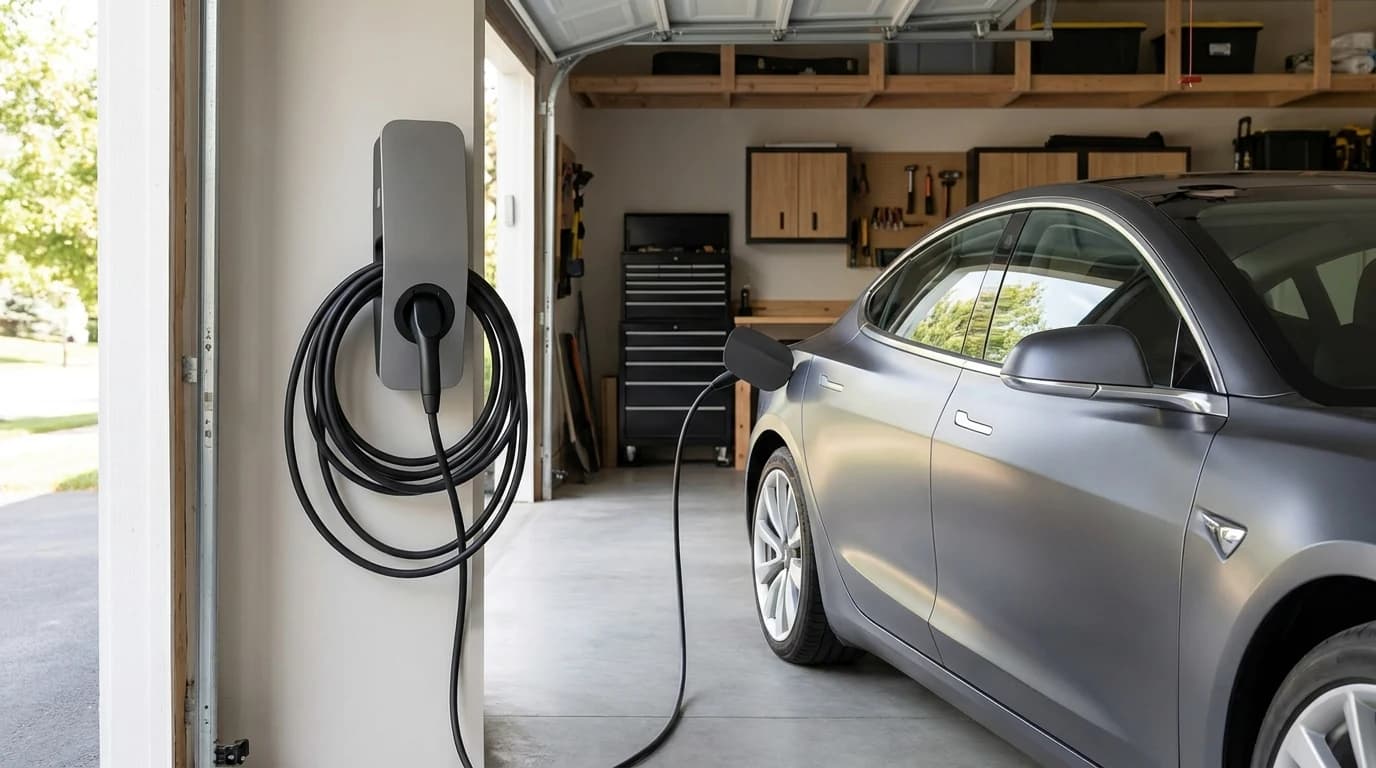
Most non-Tesla EVs use a J1772 plug; Teslas and newer NACS-port vehicles differ. Buy the connector your car uses, or a verified adapter. EVIQO, for example, sells its 40A charger with a J1772 plug and says it can charge a Tesla through a J1772-to-NACS adapter that is not included. Wallbox now offers the Pulsar Plus with either a J1772 or a NACS connector.
Smart features that actually matter
Two smart features genuinely pay off. Scheduling lets the charger start during off-peak hours, which matters where your utility offers time-of-use rates; the AFDC notes that some utilities offer them for EV owners. Energy tracking shows you what you are spending. If you are on a flat rate, a simpler unit with no app does the job.
Pay for a smart charger if:
- Your utility has time-of-use rates and you want charging to start off-peak automatically
- You want to see energy use and cost per session
- You want to adjust the charging current from your phone
A basic charger is enough if:
- You pay one flat rate around the clock
- You only want the car full by morning and never check the numbers
To see what charging costs at your utility's rate, run your numbers through the EV charging calculator; what it costs to charge an EV at home explains the maths.
Plug-in versus hardwired
A NEMA 14-50 plug-in unit installs faster and comes with you if you move. Hardwiring is the usual route to the highest continuous current: Wallbox, for example, sells a 40A Pulsar Plus for a NEMA 14-50 plug and a 48A version for higher output. Either way, use a licensed electrician; this is a 240V circuit.
How our picks line up
| Charger | Output | Connection | App |
|---|---|---|---|
| Autel MaxiCharger 40A | Up to 40A (9.6 kW) | NEMA 14-50 plug | Wi-Fi and Bluetooth |
| ChargePoint HomeFlex | Up to 50A | Hardwired | Wi-Fi, scheduling |
| Grizzl-E Classic | 40A | — | None |
Autel MaxiCharger 40A is our top pick for most homes. It delivers up to 40A (9.6 kW at 240V) through a J1772 connector, plugs into a NEMA 14-50 outlet, comes with a flexible 25 ft cable, is rated for indoor or outdoor mounting, and Autel lists both Wi-Fi and Bluetooth app control. It is sold new by Autel. Two honest caveats: its review base is smaller than the category veterans', and Autel's newer MaxiCharger AC Lite and Elite sit above it in the current line.
The EVIQO 40A led this guide until November 2026. Per EVIQO it lets you set the current from 6 to 40A in its app, schedules off-peak charging and tracks consumption and cost, but its listing showed no buy option when we checked on November 12, so it is no longer our first recommendation.
The hardwired ChargePoint HomeFlex is the step up: ChargePoint lists up to 50A on a hardwired circuit, with its established scheduling app, and it costs more. The Grizzl-E Classic is the rugged no-app alternative, though United Chargers is replacing it with the Classic Connect, so buy it only if you find it discounted.
Bottom line
Size the charger to your panel, match the connector to your car, and pay for smart features only if your utility rewards off-peak charging. The Autel MaxiCharger 40A is our pick for most homes, the hardwired ChargePoint HomeFlex (up to 50A) is the upgrade, and the Grizzl-E Classic is the no-frills choice.
Your next step
Size the electrical setup, estimate your charging cost, then compare active chargers.
Common questions
How many amps do I need?
J1772 or NACS?
Plug-in or hardwired?
Research Sources
- US DOE Alternative Fuels Data Center — Charging electric vehicles at home (electrician capacity check, continuous load under the NEC, permits, time-of-use rates)
- EVIQO — Level 2 EV charger, 40A (9.6 kW), NEMA 14-50 plug-in product page (6–40A app control, scheduling, 2.4 GHz Wi-Fi, IP66/NEMA 4, certifications)
- Wallbox — Pulsar Plus product page (40A NEMA 14-50 and 48A versions, Wi-Fi and Bluetooth, J1772 or NACS, 25 ft cable)