Best Dash Cams in 2026: What Actually Matters (Night Video, Parking Mode, Heat)
For most drivers who want full coverage, choose the VIOFO A229 Pro: VIOFO pairs named STARVIS 2 sensors front and rear with an infrared cabin camera, so the road ahead, the road behind and the interior are all recorded. For front and rear at a much lower price, the 70mai A510 is the value pick. Either way, plan on a hardwire kit if you want parking mode to work.
The Verdict
Our Verdict
Buy for night footage and heat tolerance, not the resolution printed on the box. Our top pick is the VIOFO A229 Pro, which records front, rear and cabin on a supercapacitor rather than a battery; the 70mai A510 covers front and rear for much less. Budget for a hardwire kit if you want parking mode to actually work.
Key takeaways
- Check the sensor the maker names, not the resolution label. VIOFO names STARVIS 2 parts for the A229 Pro; the A119 V3 runs first-generation STARVIS.
- Parking mode almost always needs a hardwire kit. The 12V socket usually switches off with the car, and the kit's low-voltage cutoff protects the battery.
- Heat is a reliability spec. VIOFO uses supercapacitors and rates its cameras to operate up to 149°F, and shade still helps.
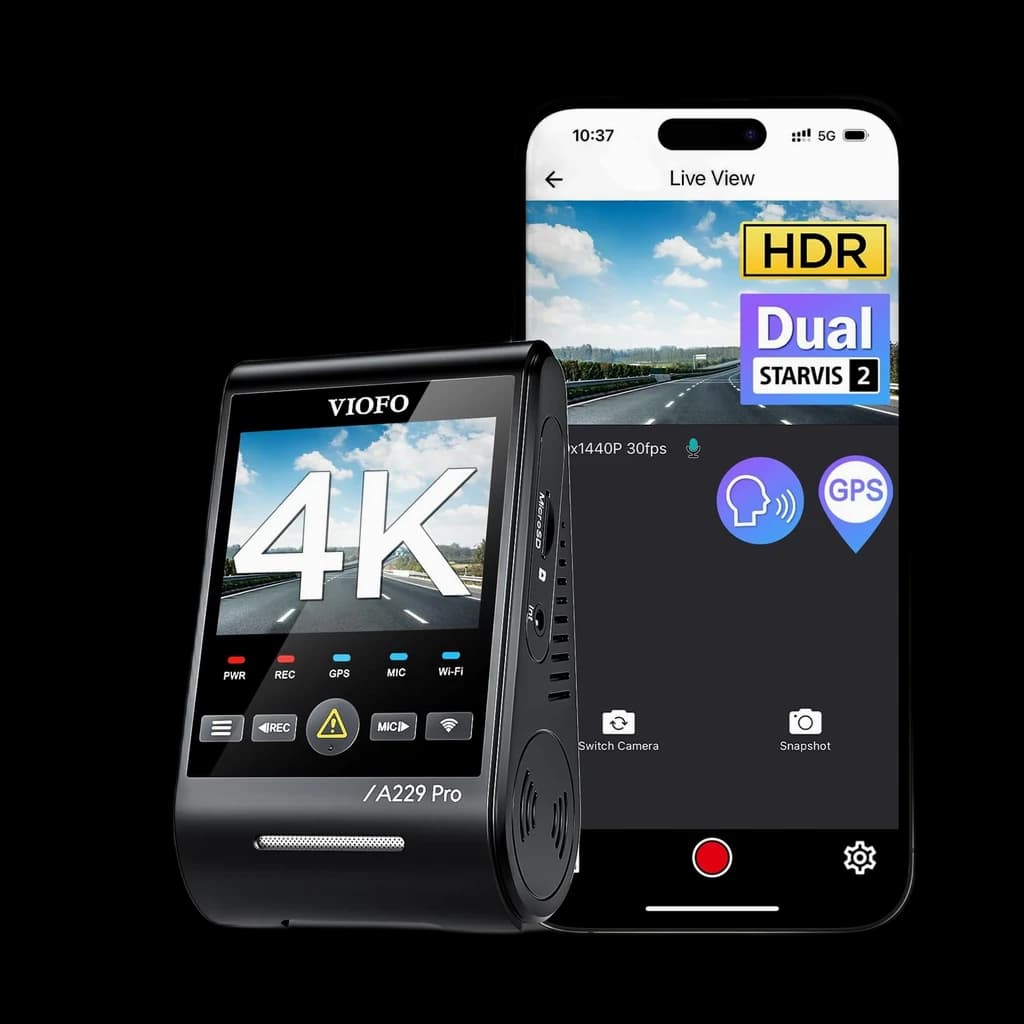
VIOFO A229 Pro — 3-channel 4K STARVIS 2
- Three channels: 4K front, 2K rear and 1080P infrared interior, per VIOFO
- STARVIS 2 sensors front (IMX678) and rear (IMX675), with HDR on all three channels
- Supercapacitor instead of a battery; VIOFO rates it for -20°C to 65°C
Our top pick and the most complete kit here: per VIOFO, a 4K front camera on Sony's STARVIS 2 IMX678, a 2K rear on STARVIS 2 IMX675 and a 1080P infrared cabin camera, with HDR on all three and a supercapacitor instead of a battery. It costs more and is a bigger install than a front-and-rear kit, so the 70mai A510 is the value alternative if you don't need the cabin recorded.
Side-by-side comparison
#1VIOFO A229 Pro — 3-channel 4K STARVIS 2 4.2 | #270mai A510 — front + rear STARVIS 2 4.5 | #3Nextbase 622GW — 4K single-channel 4.2 | #4REDTIGER F7N — 4K front + 1080P rear 4.4 | #5VIOFO A119 V3 — 2K single-channel 4.4 | |
|---|---|---|---|---|---|
|  |  |  | 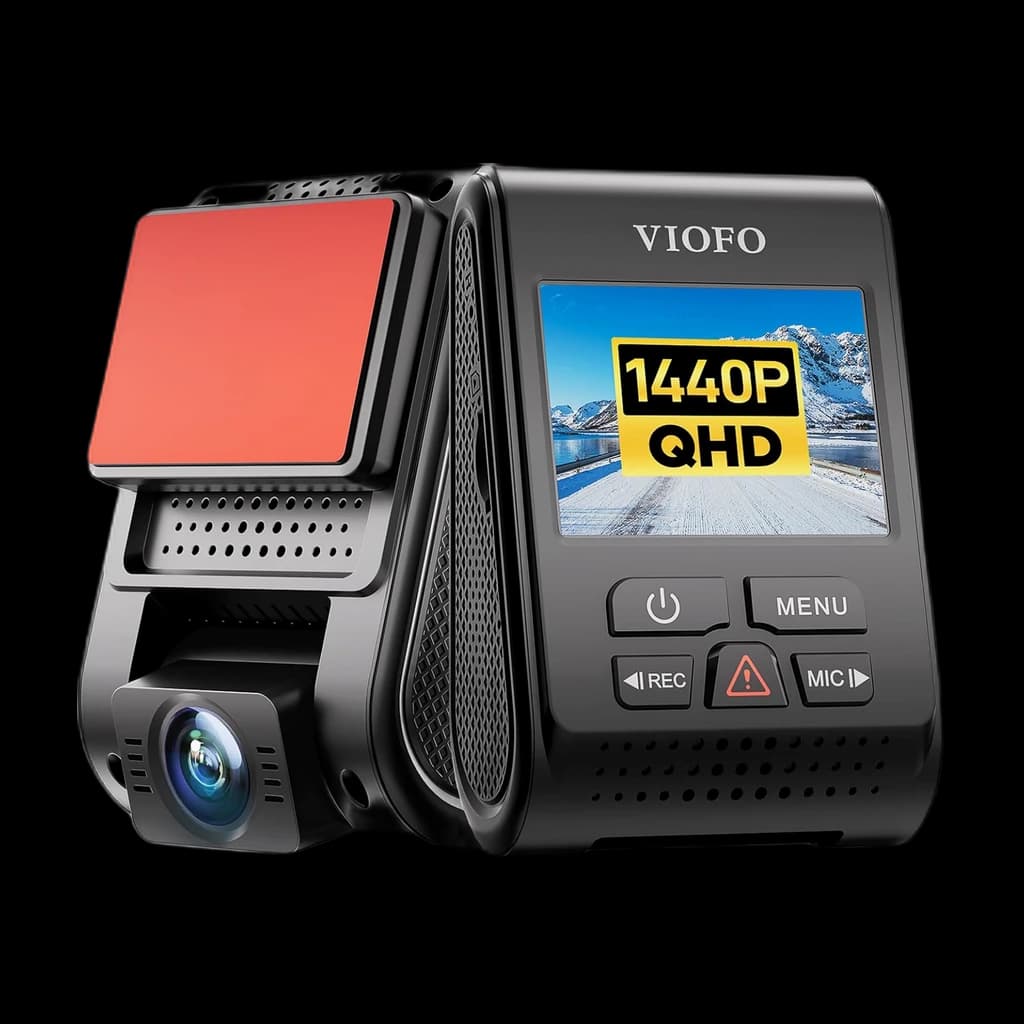 | |
| DriveScored | |||||
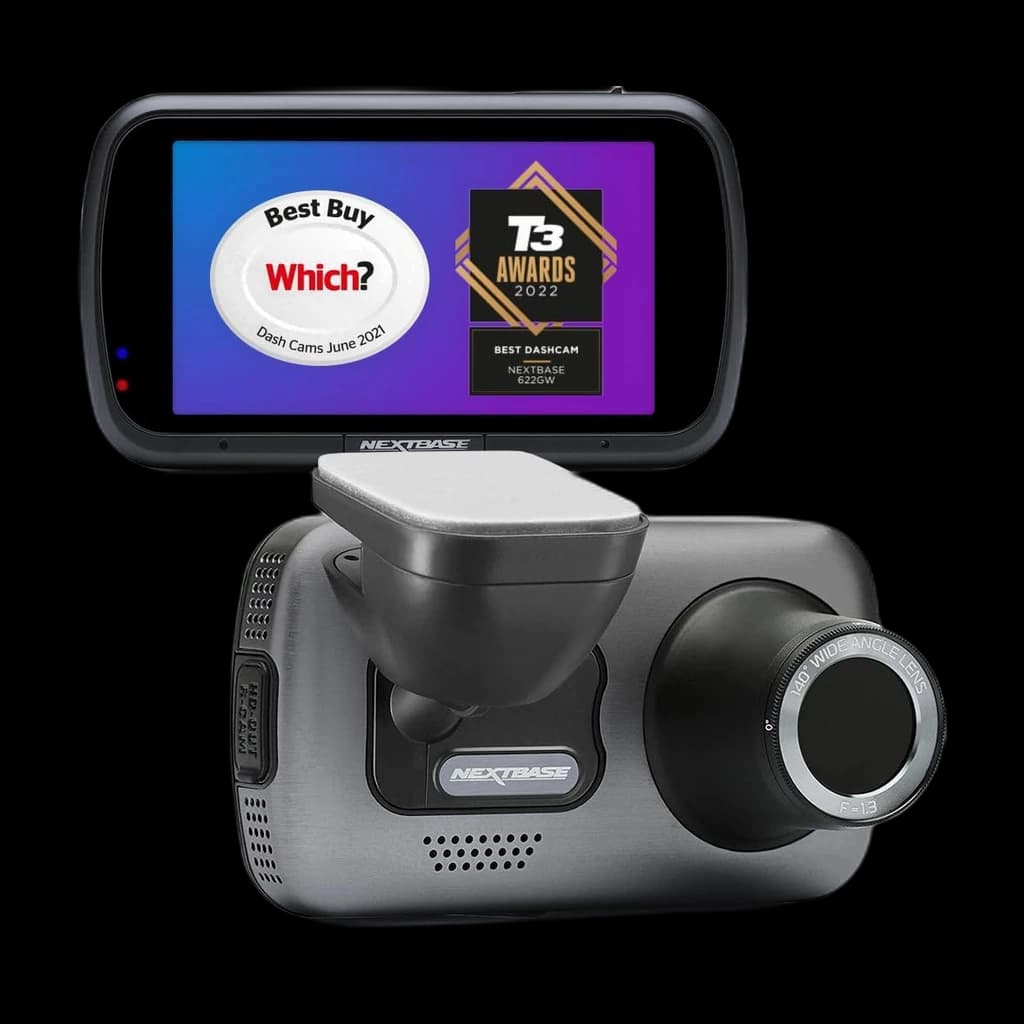
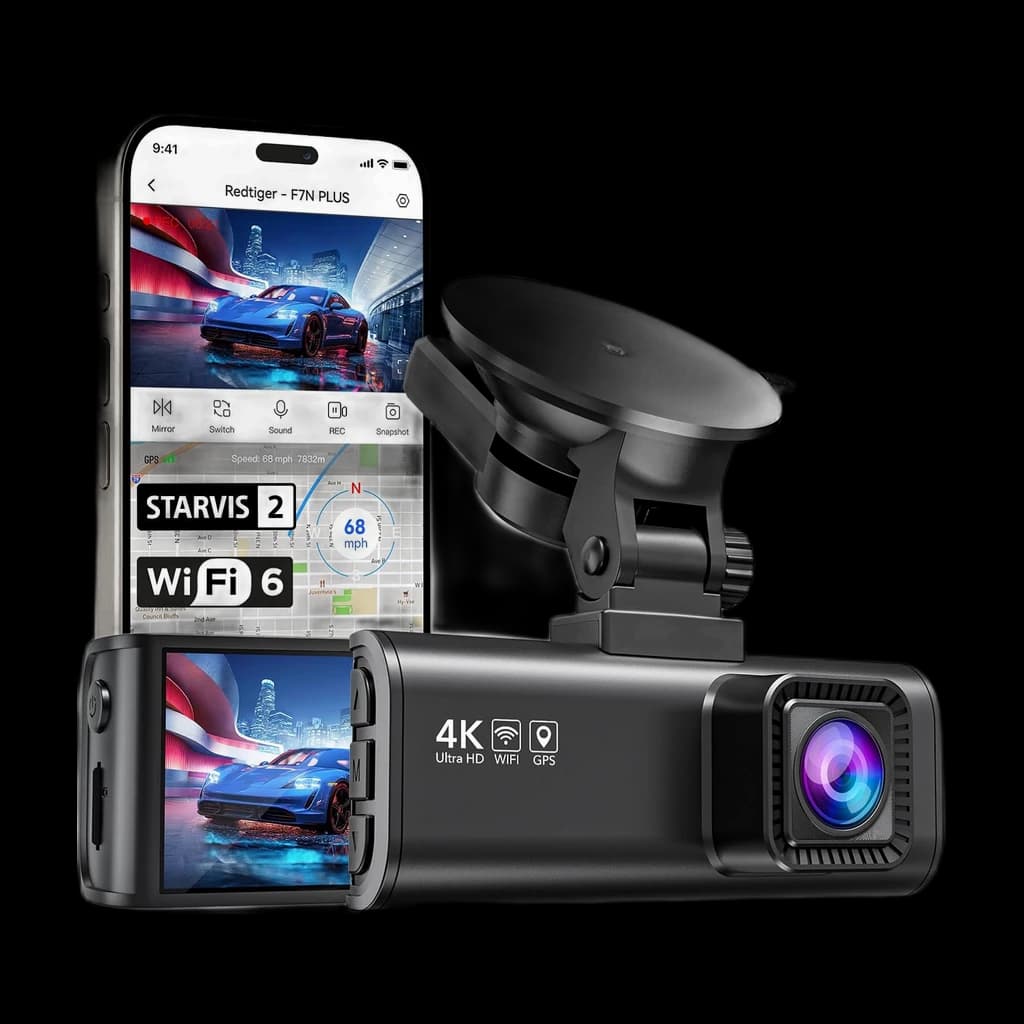
| Verdict | Our top pick and the most complete kit here: per VIOFO, a 4K front camera on Sony's STARVIS 2 IMX678, a 2K rear on STARVIS 2 IMX675 and a 1080P infrared cabin camera, with HDR on all three and a supercapacitor instead of a battery. It costs more and is a bigger install than a front-and-rear kit, so the 70mai A510 is the value alternative if you don't need the cabin recorded. | The value pick of the group: 2.7K (1944P) front on a STARVIS 2 IMX675 plus a 1080P rear for $84.99, with GPS and a 64GB card in the box. Optional 4G LTE remote features need 70mai's separate 4G hardwire kit and a cellular plan. | A polished single-front 4K camera with image stabilization, what3words emergency location and Alexa built in — features aimed at safety and ease over raw channel count. You pay a premium versus Asian-brand rivals for that ecosystem. | The volume best-seller here, with 25k+ ratings: 4K front plus 1080P rear, WiFi and GPS in an affordable bundle. A wide 170° front lens is generous, though that width brings more edge distortion than the tighter VIOFO optics. | A long-running enthusiast favorite: clean 1440P (2K) capture on a Sony STARVIS sensor with GPS, for buyers who only want a front camera done well. No screen-heavy gimmicks, just a reliable capacitor-based cam that tolerates heat. |
| Price | ~$309.99Buy on Amazon | ~$84.99Buy on Amazon | ~$249.99Buy on Amazon | ~$129.99Buy on Amazon | ~$119.99Buy on Amazon |
| Resolution | 3840x2160 (4K) front + 2K rear + 1080P IR interior | 1944P front + 1080P rear | 3840x2160 (4K) front | 4K front + 1080P rear | 2560x1440 (2K) front |
| Channels | 3-channel | Front+Rear | Front (rear module optional) | Front+Rear | Front |
| Parking Mode | Yes (buffered; HK4 hardwire kit) | Yes (hardwire) | Yes (hardwire) | Yes (hardwire) | Yes (hardwire) |
| Field of View | 140° front / 160° rear / 150° interior | ~140° front | ~140° front | 170° front | ~140° front |
| Buyer sentiment | Quality Video Quality Installation WIFI Connectivity Buyers praise quality, video quality and installation. Mixed feedback on reliability and value for money. Some flag wifi connectivity. Based on 330 user mentions | Quality Video Quality Value for money Ease Of Installation Buyers praise quality, video quality, value for money and ease of installation. Mixed feedback on reliability and connectivity. Based on 814 user mentions | Ease Of Use Reliability Battery Life Value for money Buyers praise ease of use. Mixed feedback on build quality and image quality. Some flag reliability and battery life. Based on 99 user mentions | Quality Video Quality Installation Value for money Connectivity Durability Buyers praise quality, video quality, installation and value for money. Mixed feedback on reliability. Some flag connectivity and durability. Based on 7,034 user mentions | Video Quality Quality Easy To Use Value for money Recording Performance Durability Buyers praise video quality, quality, easy to use and value for money. Mixed feedback on reliability and mounting. Some flag recording performance and durability. Based on 2,133 user mentions |
| Pros |
|
|
|
|
|
| Cons |
|
|
|
|
|
* Prices are approximate. Click Buy to see current pricing on Amazon.
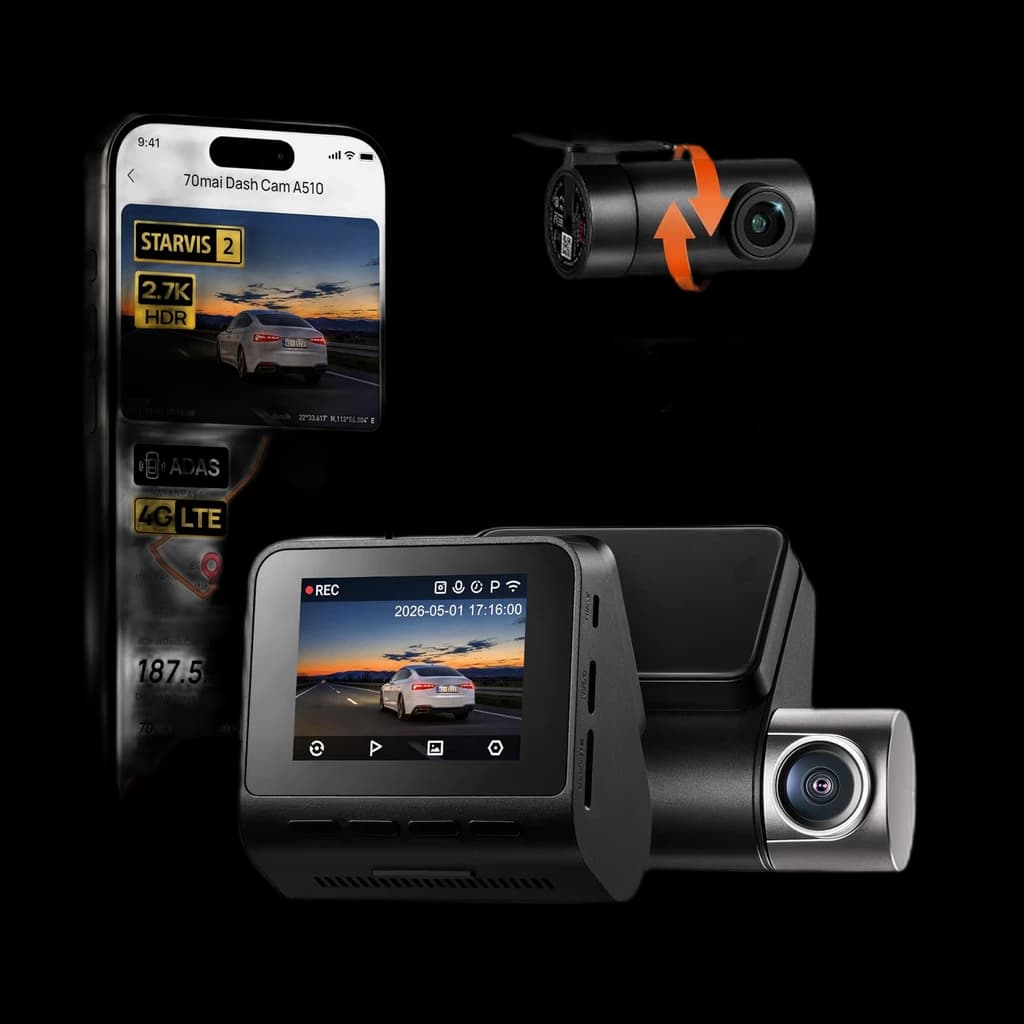
The value pick of the group: 2.7K (1944P) front on a STARVIS 2 IMX675 plus a 1080P rear for $84.99, with GPS and a 64GB card in the box. Optional 4G LTE remote features need 70mai's separate 4G hardwire kit and a cellular plan.
Which dash cam for your situation
| If your situation is… | Pick | Why |
|---|---|---|
| You want front + rear for the least money | 70mai A510 | 2.7K STARVIS 2 front plus a 1080P rear, with GPS and a 64GB card in the box. |
| You rideshare and want the cabin recorded | VIOFO A229 Pro | 4K front, 2K rear and a 1080P infrared cabin camera. |
| You park on the street and want parking protection | Any + a hardwire kit | Buffered parking mode needs constant power + a battery cutoff. |
| You just want a simple, reliable single-cam | VIOFO A119 V3 | Proven 2K front cam on a supercapacitor. A 2019 model on first-gen STARVIS, still sold new. |
Each pick is one of the products ranked below - this row is for shortcutting based on your situation, not a separate recommendation.
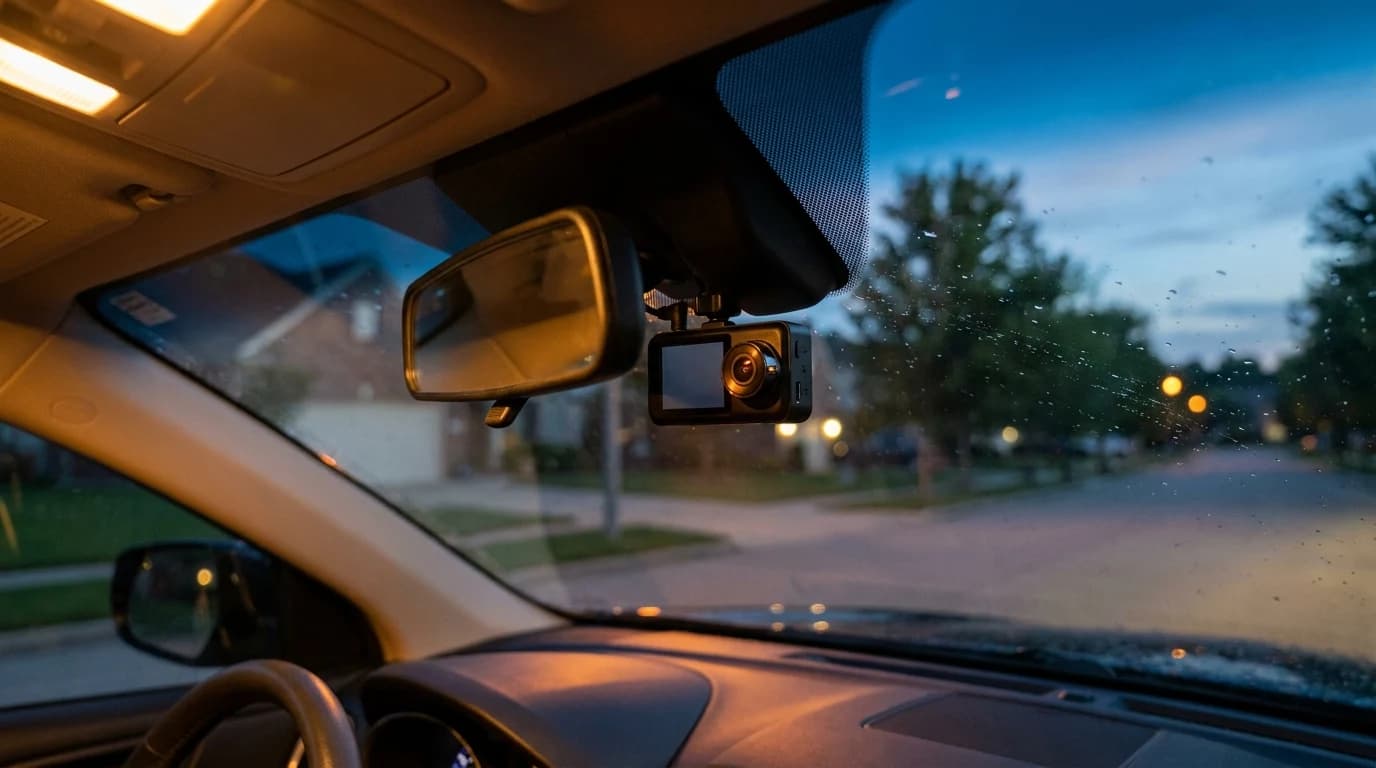
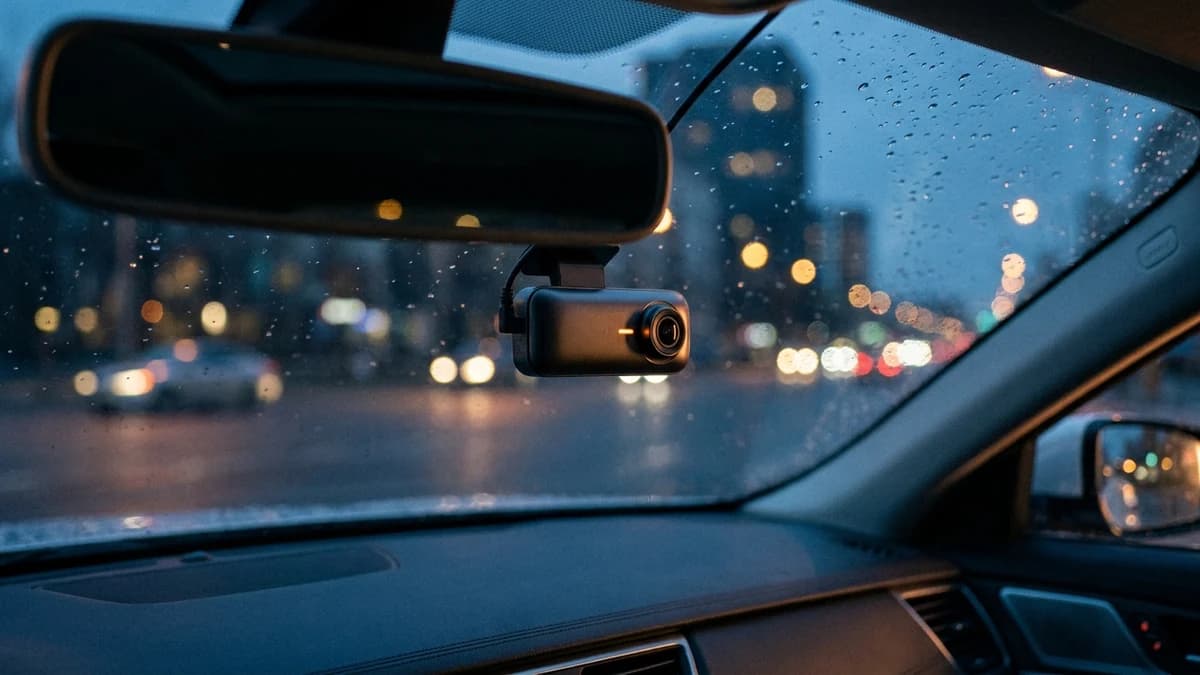
Dash cams are sold on one number, resolution, and it is the wrong thing to shop on. A camera's real job is to keep a plate readable after dark, survive a parked cabin in summer, and actually be recording when something happens. Here is what separates the cams worth buying from the ones that look great in daylight demos.
Sensor quality matters more than the resolution label
Rule of thumb: check which sensor the maker names, not the "4K" on the box. The label tells you the file size; the sensor decides what a plate looks like at night.
This is also where our own earlier copy was wrong. It said the VIOFO models all use Sony STARVIS 2 sensors. They do not. VIOFO's product page for the A229 Pro 3-channel names a STARVIS 2 IMX678 for the 4K front camera and a STARVIS 2 IMX675 for the 2K rear, with a first-generation STARVIS IMX307 in the 1080P infrared cabin camera. The A119 V3 runs the first-generation STARVIS IMX335, and VIOFO itself points buyers who want STARVIS 2 at the newer A119 Mini 2.
| Camera | What it records | Sensor, as the maker states it | Parking power |
|---|---|---|---|
| VIOFO A229 Pro | 4K front, 2K rear, 1080P infrared cabin | STARVIS 2 IMX678 front, IMX675 rear | Hardwire kit, adjustable cutoff |
| VIOFO A119 V3 | 2K front only | First-gen STARVIS IMX335 | Hardwire kit, adjustable cutoff |
| REDTIGER F7N | 4K front, 1080P rear | No STARVIS claim on its product page | Included kit, fixed 11.8 V cutoff |
| 70mai A510 | 1944P front, 1080P rear | STARVIS 2 IMX675 front | Hardwire kit |
| Nextbase 622GW | 4K front, rear module optional | — | Hardwire kit |
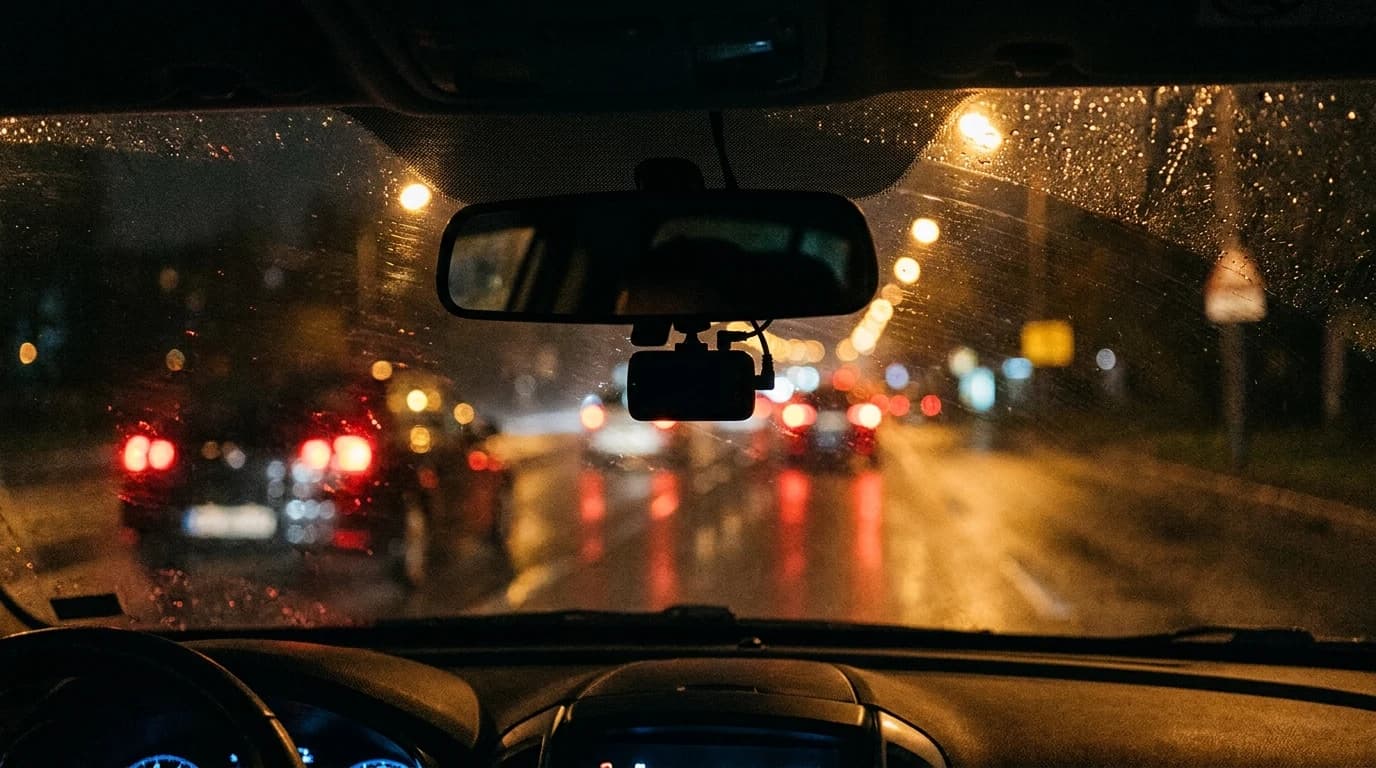
Parking mode needs constant power
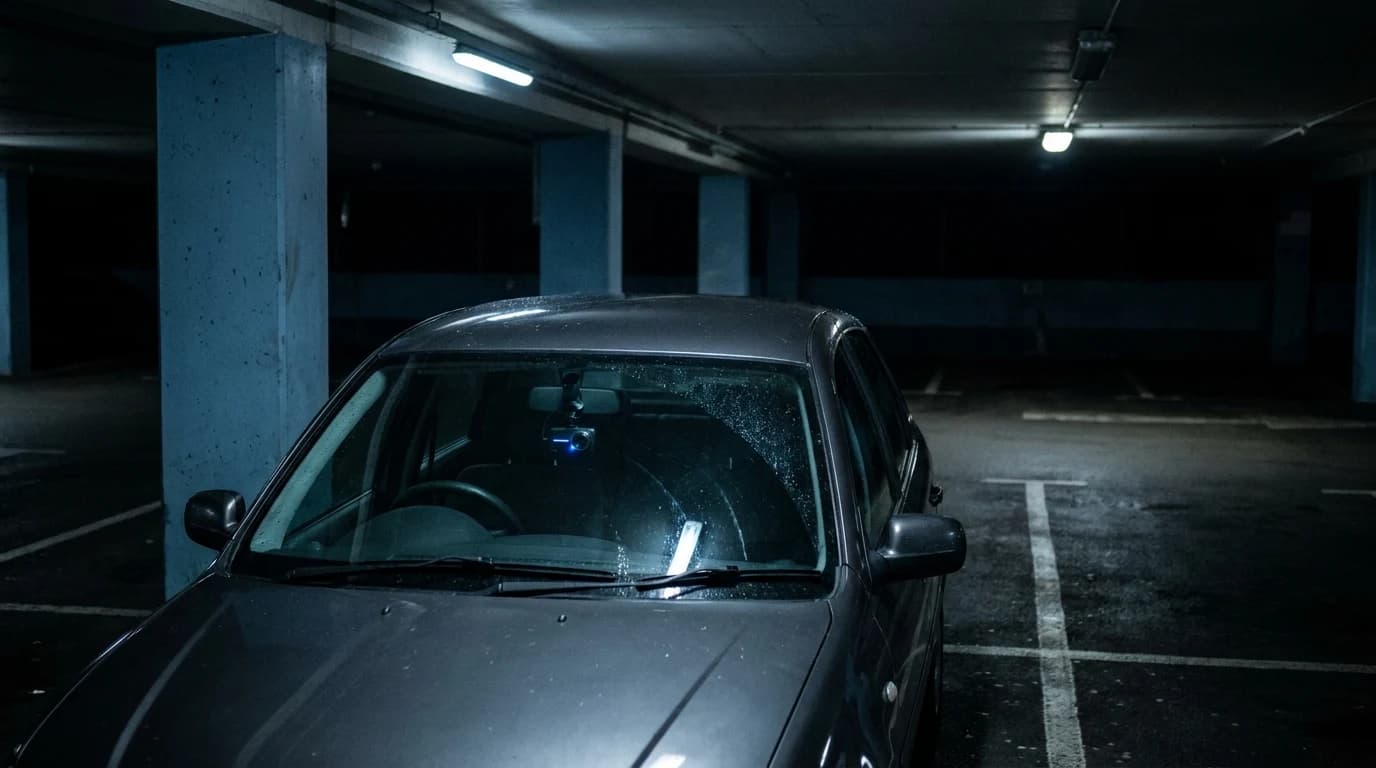
Parking mode, recording while you are away from the car, is the feature that most often fails to work as bought. The 12V socket usually switches off with the ignition, so buffered parking recording needs a hardwire kit wired to an always-on fuse, an accessory fuse and a ground.
What a working parking setup needs:
- A hardwire kit on a constant-power fuse, not the 12V socket
- A low-voltage cutoff, so the camera shuts down before the battery is too flat to start the car
- A parking mode chosen for your street: VIOFO offers motion-triggered auto event detection, time-lapse and low-bitrate recording
What does not work:
- A great parking-mode spec with the camera still on the socket cable
- Assuming every brand's cutoff can be raised for an older battery
VIOFO's kits have a four-position switch from 11.8 V up to 12.4 V. VIOFO calls 12.4 V the safest choice, notes roughly 0.3 V of detection tolerance, and suggests that setting plus a parking timer of about two hours if a battery has gone flat. REDTIGER's F7N kit is fixed: it cuts power 60 seconds after the supply drops below 11.8 V, plus or minus 0.2 V, and the threshold cannot be changed. What those numbers mean for your battery is worth reading before you choose a kit, and the RedTiger model guide explains why the F7N name alone does not tell you which sensor you are getting.
Heat is a reliability spec
VIOFO says its cameras use supercapacitors rather than a lithium battery, and rates them for storage up to 158°F and operation up to 149°F. When one overheats it stops recording and switches off until it cools, which protects the car but means a gap in footage. VIOFO's own advice is to avoid long unshaded summer parking where you can.
Heat check: a supercapacitor camera is the safer buy for a car that bakes in the sun, and shade still matters.
Which camera for which driver
Three channels for rideshare and fleets
The A229 Pro is the pick when the cabin matters as much as the road. It is the most expensive camera here and the biggest install, so it only makes sense if you will actually use the third channel.
One front camera done simply
The A119 V3 is the budget single-channel pick: GPS, buffered parking mode and a 140-degree lens, at $119.99. It is an older first-generation STARVIS design that VIOFO still sells new.
Front and rear on a budget
The 70mai A510 adds a rear camera for $84.99. Its bundled 4G features lean on a paid data plan, so budget for that if you want them. If you are unsure whether you need the rear at all, the front-only versus front-and-rear guide walks through it.
How to read the scores
The table below lists each camera's DriveScore, our 0–100 summary built from published specs and owner ratings. The score is a supporting signal, not the pick: it currently rates the cheaper single-purpose cameras above the A229 Pro, because it rewards value and owner ratings that a 3-channel kit cannot match. Our methodology explains the gap. Every camera we rank, with current pricing, is on the dash cams category page.
Bottom line
Buy the VIOFO A229 Pro if you want front, rear and cabin recorded on named STARVIS 2 sensors; buy the VIOFO A119 V3 if one front camera is all you need. Budget for a hardwire kit either way if you want parking mode to work.
Your next step
Compare the ranked cameras or narrow the setup you actually need.
Common questions
Do I need front and rear, or is front enough?
Will a dash cam drain my battery?
Is 4K worth it over 2K?
Research Sources
- VIOFO Support — What parking mode to choose: auto-event, time-lapse and low-bitrate parking modes, and the ACC hardwire kit they run on
- VIOFO — A229 Pro 3CH specifications (IMX678 4K front, IMX675 2K rear, IMX307 1080P IR interior, built-in supercapacitor, -20°C to 65°C operating range)
- VIOFO — A119 V3 product page: first-generation STARVIS IMX335, 2560×1600 at 30fps, and VIOFO's pointer to the A119 Mini 2 for STARVIS 2
- VIOFO Support — What cut-off protection voltage to choose for the hardwire kit (11.8–12.4 V switch, about 0.3 V tolerance)
- VIOFO Support — Can dashcams withstand heat? (supercapacitors, 158°F storage and 149°F operating limits, overheat shutdown)
- REDTIGER — F7N hardwire kit product page: power cut 60 seconds below 11.8 V (±0.2 V), 12–24 V input