All-Season vs Winter Tires: Where All-Weather Fits In
Choose winter tires if you live in the snowbelt and must drive in harsh conditions. Choose all-season tires if winters are mild or you can wait until roads are cleared. All-weather tires sit between them: they carry the mountain snowflake symbol and stay on all year, but Consumer Reports says dedicated winter tires remain the best bet for harsh conditions.
Key takeaways
- M+S describes tread design. The three-peak mountain snowflake means a tire passed a traction test on medium-packed snow, and Michelin says it does not cover pure ice.
- In Consumer Reports' 2017 truck tire averages, all-season tires needed about 48% more distance than winter tires to accelerate on packed snow. Symbol-bearing all-terrain and all-weather tires needed about 22% more.
- All-weather tires suit drivers who get real cold but cannot or will not swap sets. They do not replace winter tires for drivers who must go out in harsh conditions.
- The 45°F figure is Michelin's rule of thumb. We found no published test data behind it, so use it as a cue to book the swap.
Which tire fits your winter
| If your situation is… | Pick | Why |
|---|---|---|
| Winters are mild, with occasional cold days and light frost | All-season | Michelin calls all-seasons workable in these conditions, and a winter set would spend much of its life on warm pavement. |
| Snow is occasional and you can stay home until roads are cleared | All-season, or all-weather for more margin | Consumer Reports says drivers who can wait for cleared roads have good all-season choices. An all-weather tire adds snow capability without a swap. |
| Temperatures regularly drop below freezing, but you have no room or budget for a second set | All-weather with the 3PMSF symbol | It stays on all year. Michelin says all-seasons are not sufficient in this climate, and Consumer Reports says all-weather tires can nearly match winter tires in winter traction. |
| You live in the snowbelt and must drive in harsh conditions | Winter tires, set of four | Consumer Reports calls them the best bet here. Accept the swap, the storage and the weaker dry and wet grip. |
| Your car is registered in Quebec | Winter or all-weather tires bearing the pictogram | The province requires compliant tires from December 1 to March 15, and the pictogram or studs are what it checks for, not the marketing category. |
Use this row to shortcut by situation.
Winter tires win on snow and ice, and all-season tires are fine where winter is mild. Most comparisons stop there and skip the tire many drivers actually want: the all-weather tire, which stays on all year and carries the snowflake symbol. Choose by how cold your winters get and whether you must drive through them.
The three tires, side by side
| All-season | All-weather | Winter | |
|---|---|---|---|
| Sidewall mark | M+S | Three-peak mountain snowflake (3PMSF) | 3PMSF, sometimes an Ice Grip symbol |
| What the mark rests on | Tread geometry, no performance test | A traction test on medium-packed snow | The same snow test; Ice Grip covers ice |
| Rubber in the cold | Stiffens as temperatures fall | Stays more pliable | Stays flexible below 45°F |
| Built for | Moderate climates, light snow | Real winter without a seasonal swap | Snow, slush, black ice, freezing rain |
| Off in spring? | No | No | Yes |
| Counts as a winter tire in Quebec? | Only with the pictogram | Yes, with the pictogram | Yes, with the pictogram or studs |
The marks and rubber rows come from Michelin's guide to seasonal tire types and its summer, winter and all-season comparison. The spring row comes from Consumer Reports' pages on winter tires and all-weather tires. The Quebec row applies Quebec's compliance rule to each type.
M+S and the snowflake are not the same claim
This is the most useful thing to check on a tire you already own. Read the sidewall and look for two different marks:
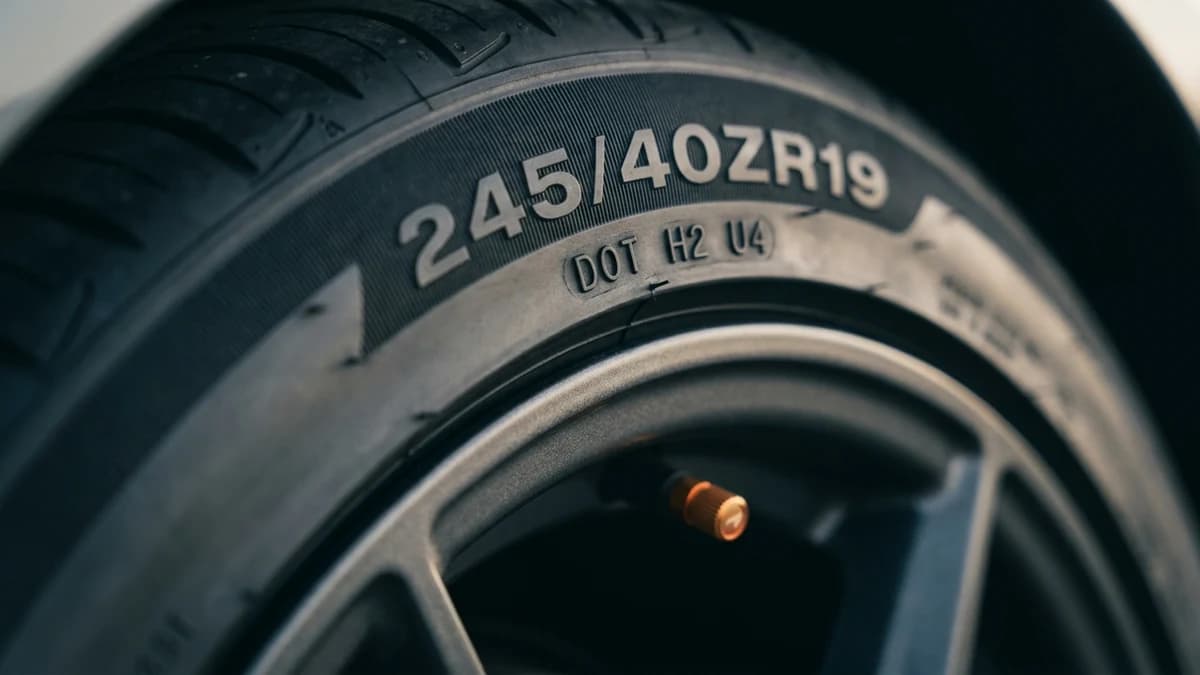
- M+S is a design description. Michelin says it is based on tread geometry, not a certified performance test.
- 3PMSF means the tire passed a standardized traction test on medium-packed snow.
- Neither one is an ice promise. Michelin says the 3PMSF symbol does not cover performance on pure ice.
A mark is a pass, not a rank: Consumer Reports warns shoppers not to confuse symbol-bearing all-terrain and all-weather tires with dedicated winter tires. The symbol tells you a tire cleared a bar, not how far past it the tire went.
How big the gap is, in the numbers we could trace
The clearest category-level figures we could open come from truck tire testing, where Consumer Reports measured how far a two-wheel-drive Chevrolet Silverado needed to accelerate from 5 to 20 mph on packed snow, then averaged by tire type.
| Tire type (CR's labels) | Average distance | Compared with winter |
|---|---|---|
| Winter/snow | 80.7 ft | Baseline |
| All-terrain/all-weather with the symbol | 98.2 ft | About 22% farther |
| All-terrain without the symbol | 118.5 ft | About 47% farther |
| All-season | 119.2 ft | About 48% farther |
The percentages are our arithmetic from CR's averages.
Read this table narrowly: it is 2017 data from pickup tires, and it measures snow acceleration, not stopping. We found no stopping-distance figure with a named vehicle, speed and surface on the pages we could open, so this guide gives none. Treat any foot-count without those three details with suspicion.
Consumer Reports' newer guidance points the same way. Its October 2026 winter tire guide says all-weather tires "can nearly match" dedicated winter tires in winter traction, and that the winter tires it tested impressed in wintry conditions. Its all-season guide says all-weather tires "split the difference."
What the 45°F rule really is
We traced the number to Michelin, which uses it directly: its buying guide says winter tires stay flexible below 45°F, and its seasonal guide calls 45°F "the practical guide" for when to switch.
Rule of thumb, not a cliff: the same Michelin page also says all-season rubber stiffens noticeably "as temperatures fall toward freezing." Michelin publishes the figure as guidance, and we did not find test data behind it. Use it as a calendar cue for when to book the swap, not as a line where grip disappears.
What each choice costs you
Winter grip is not free, and the sources disagree on one part of the bill.
Winter tires
- Most have less dry and wet grip than all-seasons, according to Consumer Reports.
- A second set is an upfront cost, plus optional wheels, Michelin notes.
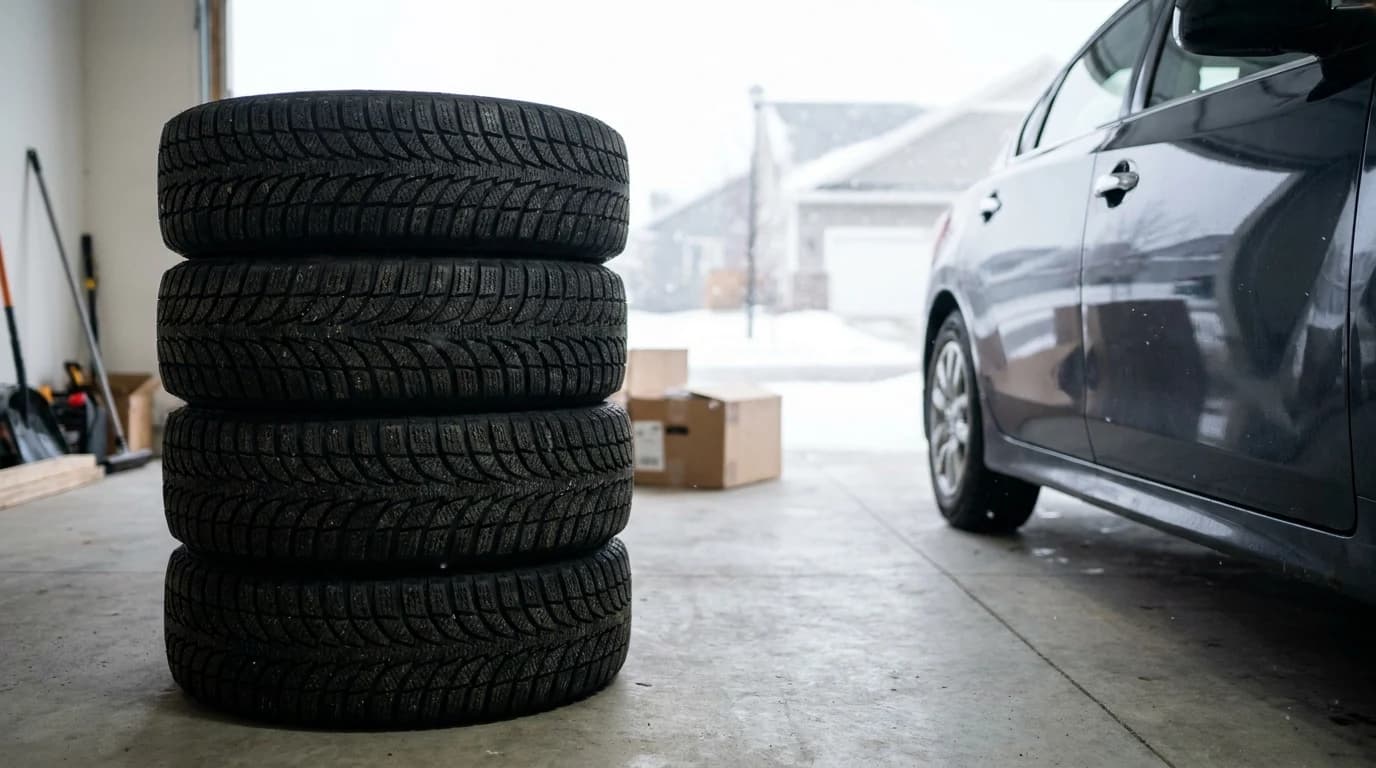
- They must come off in spring. Quebec's guidance says that in summer they wear faster, clear water less well, and may stop longer than all-seasons, especially on wet pavement.
All-season tires
- One set, no swap, and a good ride.
- Michelin calls them workable in mild winters but not sufficient where temperatures regularly fall below freezing with snow and ice on the road.
All-weather tires
- One set, no swap, and the snow certification.
- The trade-off is the distance they give up to true winter tires in the table above.
Where the sources disagree: Consumer Reports says winter tires wear much more rapidly. Michelin says that, used only in cold months, they wear at a comparable rate to all-seasons and that lifetime tire spend evens out. Michelin sells both kinds and gives no figures here, so we would not budget on either claim alone.
If you are switching this season
- Buy early. Consumer Reports advises buying before the first frost, because popular sizes get hard to find once snow is falling.
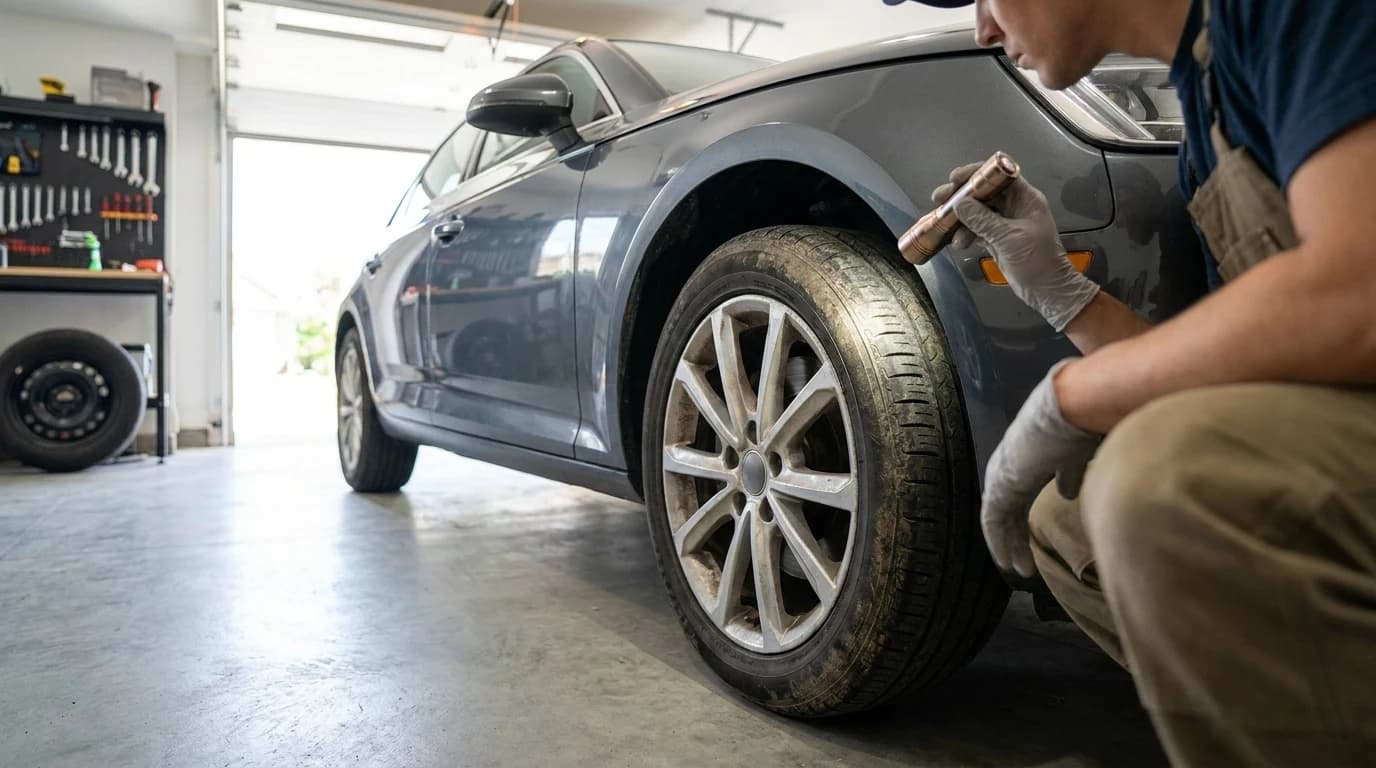
- Check your current tread. CR suggests shopping for new tires at 4/32 of an inch, and snow traction suffers most past that point. Check the DOT date code too; the tire age decoder reads the four digits for you.
- Fit four, whatever the drivetrain. Both CR and Michelin say so, including for all-wheel drive.
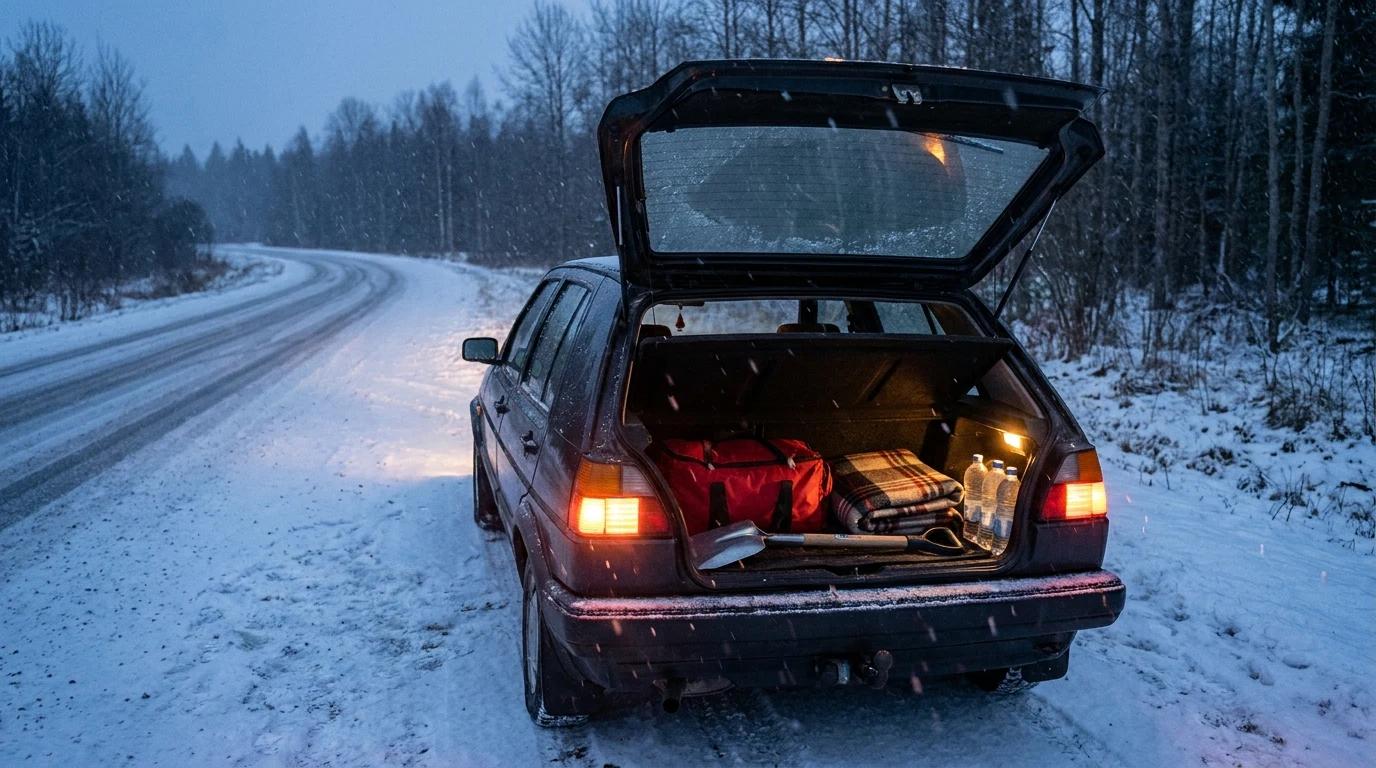
- Pack for the bad day. Better tires do not replace a winter emergency kit.
In Quebec the choice has a legal floor. Vehicles registered there must be winter-ready from December 1 to March 15, and the SAAQ counts only tires with the pictogram, or studded tires, as winter tires. Fines run $200 to $300. We cite Quebec as a clear example of a regulator's definition, so check your own province or state before you travel.
Common questions
Is an all-weather tire the same as an all-season tire?
Can I leave winter tires on all year?
Do I still need winter tires with all-wheel drive?
When should I put winter tires on?
Research Sources
- Michelin: Do I Need Seasonal Tires? The M+S marking, the 3PMSF test on medium-packed snow, its ice limit, and the 45°F guide
- Michelin: Summer vs. Winter vs. All-Season Tires, including when all-seasons are and are not sufficient
- Michelin: Winter Tire Buying Guide, covering flexibility below 45°F, wear, lifetime spend and fitting four tires
- Consumer Reports: Best Winter/Snow Tires, updated October 2026, on all-weather traction, dry and wet grip, wear and buying timing
- Consumer Reports: Best All-Season Tires for Winter Driving, updated October 2026, on all-weather tires and the snowbelt recommendation
- Consumer Reports: Choosing the Best Winter/Snow Truck Tires, 2017, with average distance to accelerate from 5 to 20 mph on packed snow by tire type
- Government of Quebec: Requirements for winter tires, covering dates, fines, the pictogram and avoiding winter tires in summer
- SAAQ: Winter preparation, on which tires count as winter tires under the Highway Safety Code