Quick Answer
Only a little. A plug-in heater can draw no more than the socket allows, and owner's manuals put that at 120 watts in a 2026 Toyota Sienna and 180 watts in a 2024 Honda CR-V. That is enough to clear a small patch of windshield or warm your hands, not to heat the cabin. A mains-powered Zerostart car warmer is rated 900 watts, and a fuel-fired Webasto cab heater up to 2.0 kW. For real warmth, heat the engine or the person: a block heater on house power, heated seats with the engine running, blankets, and a winter kit for breakdowns.
Key takeaways
- The socket sets the ceiling. Toyota rates the 2026 Sienna's 12V outlet at 10 amps and 120 watts total, and Honda rates the 2024 CR-V's accessory socket at 180 watts, or 15 amps.
- Watts equal volts times amps, so a heater advertised at 1,000 watts on 12 volts would need about 83 amps, several times what either socket is rated for.
- Heaters that genuinely warm a cab run on other energy: Zerostart's interior car warmer draws 900 watts from a 120-volt wall outlet, and Webasto's Air Top 2000 STC burns diesel for up to 2.0 kW of heat.
- A gasoline car's own heater runs on engine waste heat, as NREL explains, which is why the dashboard vents beat any plug-in once the engine is warm.
- Running a socket heater or seat heaters with the engine off drains the battery. Honda and Toyota both warn against it, and NHTSA notes battery power drops in the cold.
- Never warm up with a fuel-burning heater in a closed car. CDC says carbon monoxide comes from any burning fuel, and NHTSA says a stranded driver should clear the exhaust and run the engine only sporadically.
Side-by-side comparison
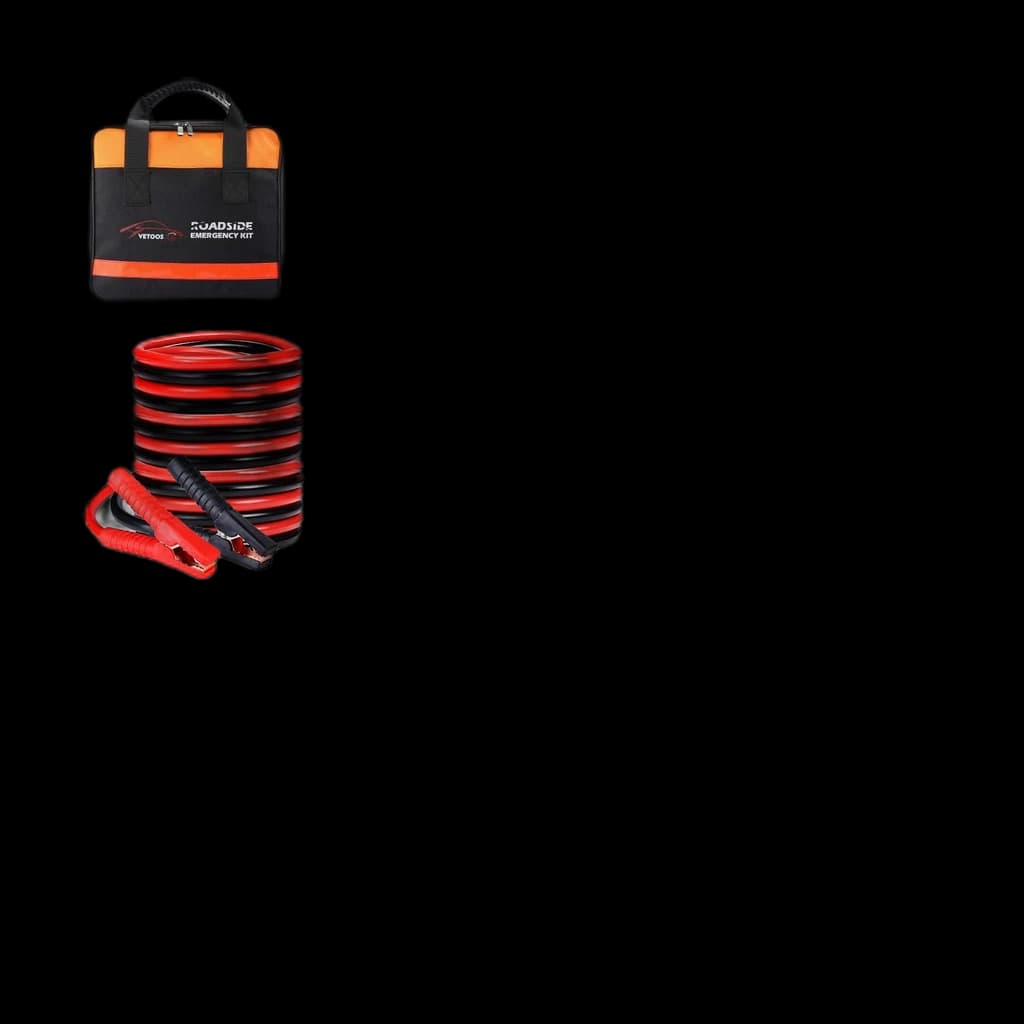
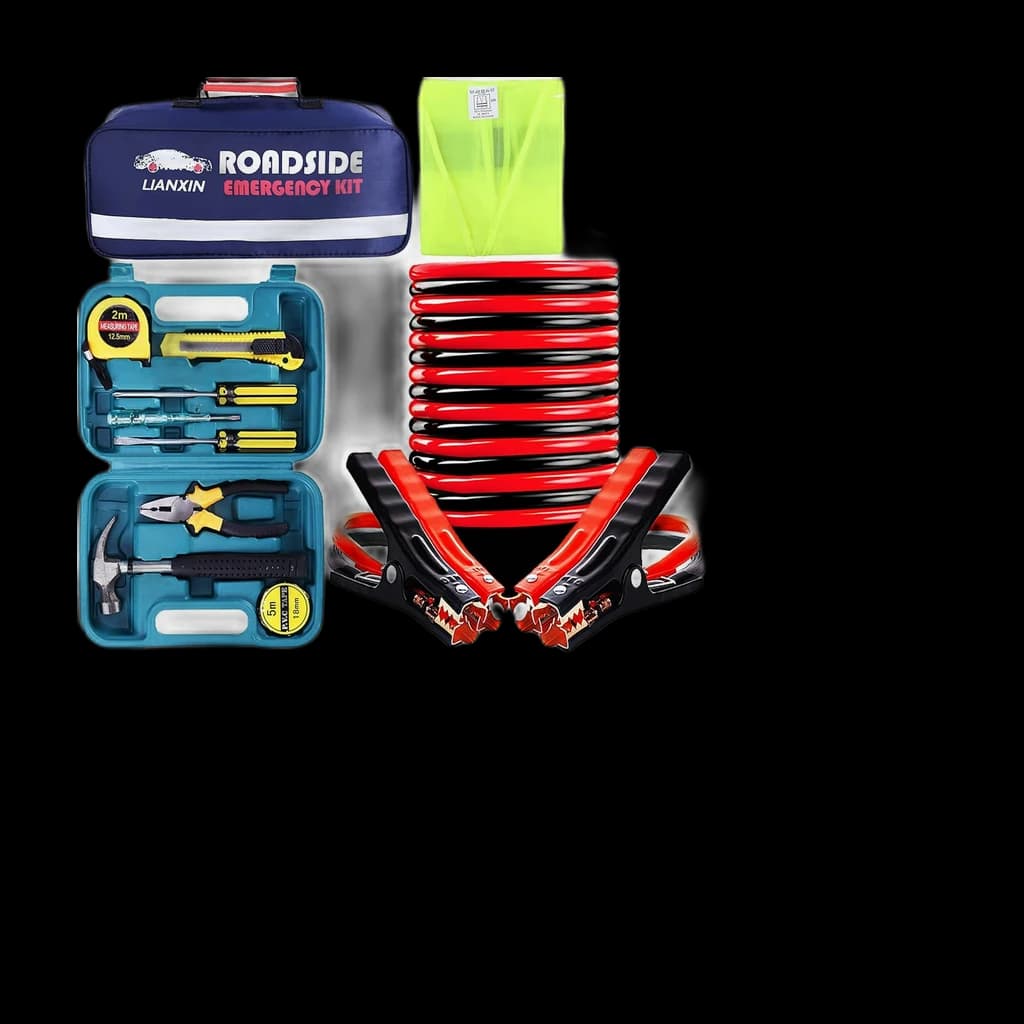
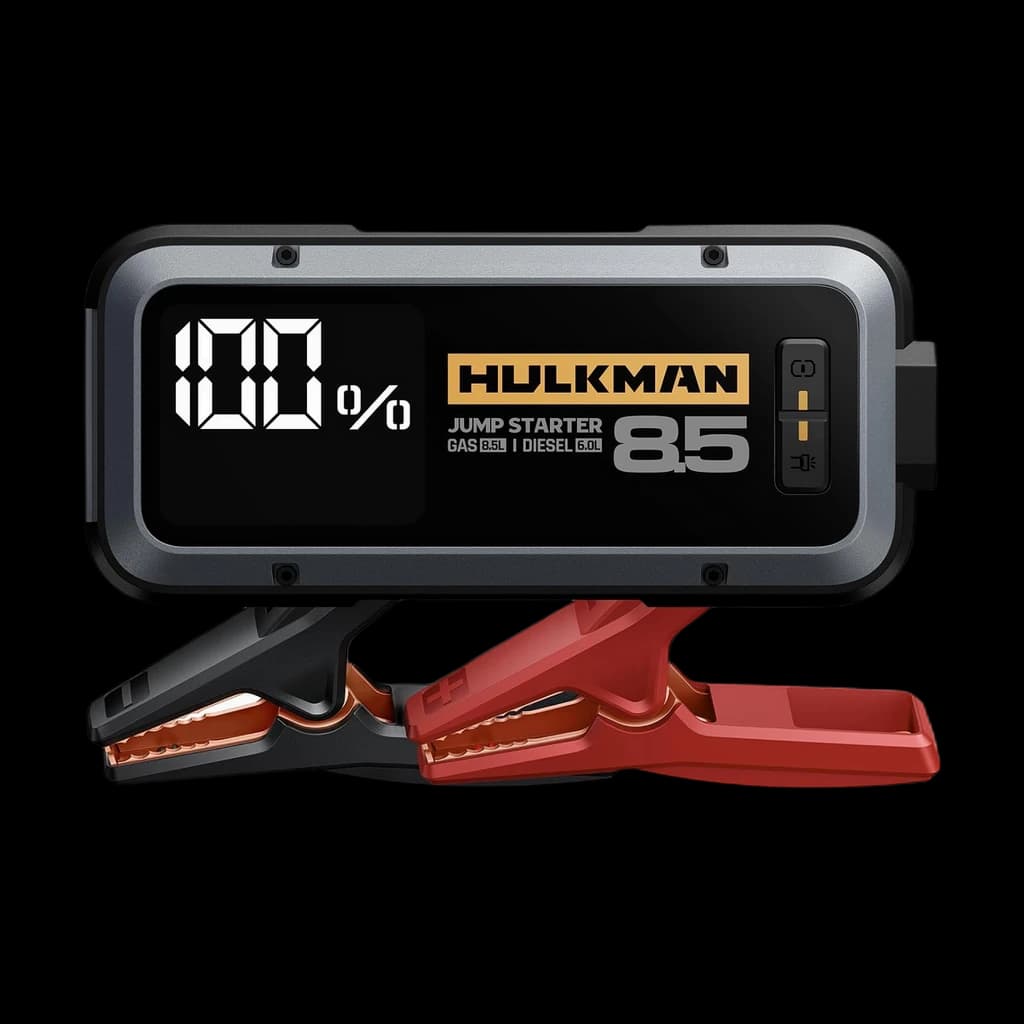
#1Vetoos Winter Roadside Emergency Kit — 142-piece with folding shovel 4.7 | #2LIANXIN 142-Piece Roadside Emergency Kit — jumper cables and warning triangle 4.7 | #3Hulkman Alpha85 — 2000A, 74Wh, 3.3in display 4.7 | |
|---|---|---|---|
 |  |  | |
| DriveScored | |||
| Verdict | Researched as the cold-weather pick: a 142-piece kit that adds a folding survival shovel and winter-focused gear on top of 6-gauge jumper cables and a repair tool set. Those 6-gauge cables are the heaviest in this group — AWG runs backwards, so 6-gauge carries more current than the 8-gauge sets. It's aimed at drivers in snow country who want recovery tools, not just a first-aid pouch, at a mid-range price. | Researched as the value pick with the deepest review base here, at over 4,500 ratings. The 142-piece set covers the core roadside bases (jumper cables, warning triangle, safety hammer, tow rope) and is pitched as a new-driver gift, though the listing doesn't publish a cable gauge. | The value pick for people who want the pack to double as a laptop/phone bank: 2000A of starting power — enough for a big V8 — plus 65W USB-C PD that charges in and out. The 3.3-inch screen reports exact charge and fault state rather than making you guess at LED bars. |
| Price | ~$39.99Buy on Amazon | ~$39.99Buy on Amazon | ~$109.99Buy on Amazon |
| Pieces | 142-piece | 142-piece | - |
| Jumper Cables | 6-gauge | Included (gauge not listed) | - |
| Case | Bag | Bag | - |
| Peak Amps | - | - | 2000A |
| Capacity | - | - | 74Wh (~20,000mAh) |
| USB Output | - | - | USB-C PD 65W (in/out) |
| Display | - | - | 3.3in smart screen |
| Buyer sentiment | Quality Value for money Included Accessories Emergency Use Buyers praise quality, value for money, included accessories and emergency use. Based on 194 user mentions | Quality Value for money Emergency Use Included Accessories Buyers praise quality, value for money, emergency use and included accessories. Mixed feedback on build quality. Based on 537 user mentions | Reliability Quality Ease Of Use Value for money Buyers praise reliability, quality, ease of use and value for money. Mixed feedback on battery life. Based on 3,417 user mentions |
| Pros |
|
|
|
| Cons |
|
|
|
* Prices are approximate. Click Buy to see current pricing on Amazon.
What actually solves your cold-car problem
| If your situation is… | Pick | Why |
|---|---|---|
| Frosted windshield every morning, car parked by a house outlet | A block heater or a 120-volt interior warmer on a timer | Zerostart rates its interior car warmer at 900 watts on 120-volt AC for frost-free windows, several times a 12V socket's limit, and says a block heater needs at least 3 to 4 hours plugged in to pre-warm the engine. |
| Cold hands and seat on a short commute | Factory heated seats, or a seat cushion used with the engine running | Heating the person puts the socket's limited watts where you feel them. Honda warns not to run seat heaters with the engine off because they weaken the battery. |
| Heat for hours in a parked truck, van or camper | A professionally installed fuel-fired parking heater | Webasto's Air Top 2000 STC makes 0.9 to 2.0 kW of heat from diesel while drawing only 14 to 29 watts of electricity, because the heat comes from fuel, not the battery. |
| Worried about being stranded in snow | A winter roadside kit, blankets and a charged jump starter | NHTSA's winter kit list includes blankets, jumper cables, a shovel and a flashlight, and it says battery power drops as the temperature falls. |
| Tempted by a listing promising 800 to 1,200 watts from the lighter plug | Skip it | At 12 volts, 1,000 watts would need about 83 amps. Toyota's socket is rated for 10 amps and Honda's for 15, so the claim cannot be delivered through that plug. |
Each pick is one of the products ranked below - this row is for shortcutting based on your situation, not a separate recommendation.
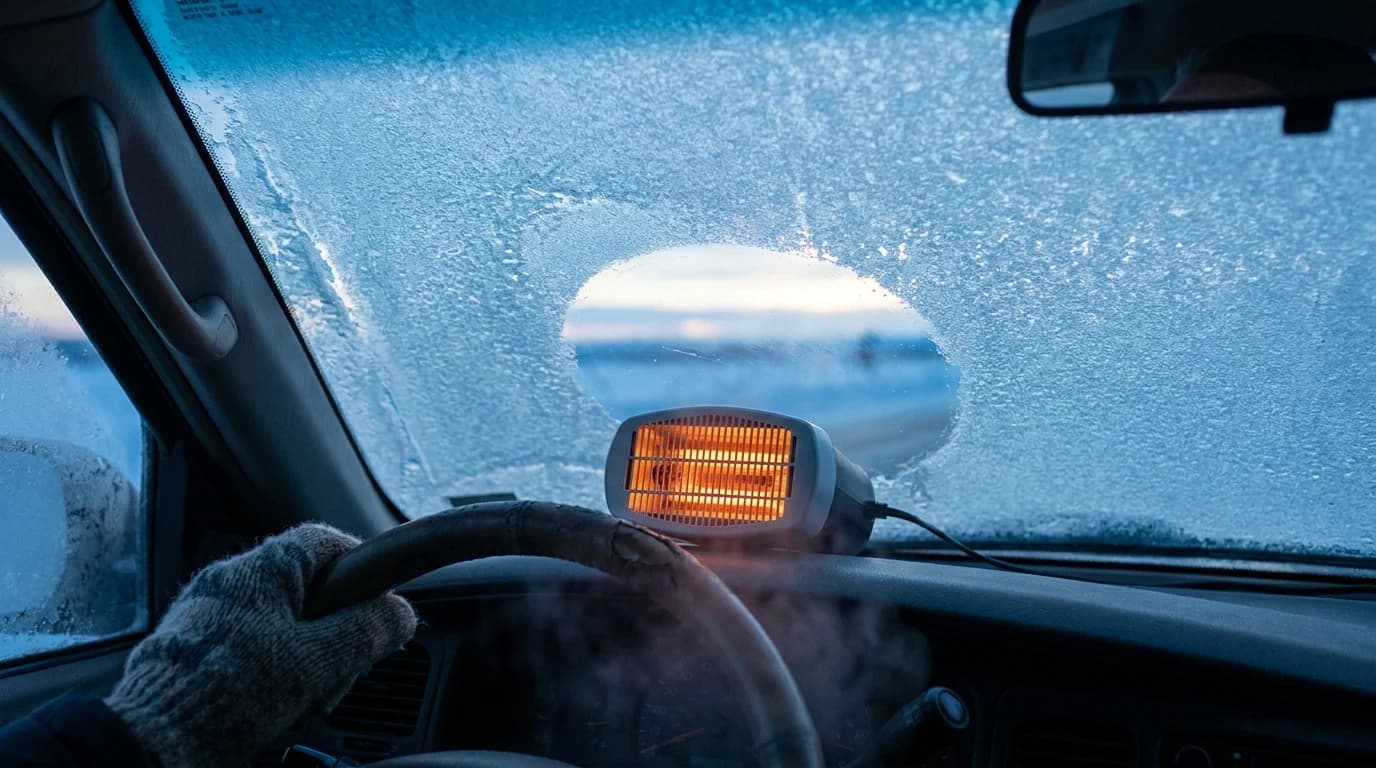
Plug-in 12V car heaters do work, but only as spot heaters. The limit is the socket, not the heater: the owner's manuals checked here rate it at 120 to 180 watts. That can clear a patch of frosted glass or warm your hands. It cannot heat a cabin, and a listing promising 1,000 watts through the lighter plug is promising something the wiring cannot deliver.
The socket sets the ceiling
Every plug-in heater draws its power through the same accessory outlet you charge a phone from, so the outlet's rating is the most heat it can ever make. Carmakers print that rating in the owner's manual:
- Toyota, 2026 Sienna: the owner's manual says to use goods under 12 volts and 10 amps, a power consumption of 120 watts, and to keep the total of all connected 12V outlets under 120 watts.
- Honda, 2024 CR-V: the owner's manual says the accessory power socket is designed for accessories rated 180 watts, or 15 amps, or less.
Check your own manual before you buy anything that plugs in. Search it for "power outlet" or "accessory socket" and note the watts or amps.
The 1,000-watt test. Watts equal volts times amps. A heater that really drew 1,000 watts from a 12-volt socket would pull about 83 amps, over eight times the Sienna's 10-amp rating and over five times the CR-V's 15. Either the heater never reaches its label, or the fuse gives out first.
The watts reality table
Here is what a socket's worth of power looks like next to heaters that genuinely warm a vehicle. Every rating comes from the maker's own page.
| Power source | Rated power | What the maker says it is for | What it can realistically do |
|---|---|---|---|
| Toyota Sienna 12V outlet | 120 W total | 12V electronic goods under 10 A | Clear a small patch of glass, warm hands |
| Honda CR-V accessory socket | 180 W | 12V DC accessories up to 15 A | The same, with a little more margin |
| Zerostart Interior Car Warmer on 120 V wall power | 900 W | Frost-free windows and warming the cab space | Pre-warm a parked car at home |
| Webasto Air Top 2000 STC, diesel-fired | 0.9 to 2.0 kW of heat, drawing 14 to 29 W | Rapid cab heating without idling | Heat a truck cab or bunk for hours |
| Your car's own heater | Engine waste heat | Warming the passenger compartment | The whole cabin, once the engine is warm |
Two things jump out. The heaters that work either plug into the house or burn fuel. Webasto's heater barely touches the 12V system: its electricity only runs the fan and controls. And a gasoline car's own heater is free heat. NREL's thermal management fact sheet notes that combustion cars draw on engine waste heat to warm the passenger compartment in winter.
What a socket heater can and cannot do
Reasonable jobs:
- Clearing a small viewing patch on the glass while the engine warms up
- Warming hands or feet aimed directly at the vent
- Taking the edge off in a small cab once the engine is running
Jobs it cannot do:
- Heating the cabin air to a comfortable temperature
- Defrosting the whole windshield faster than the car's own defroster once it is warm
- Keeping you warm with the engine off without draining the battery
The battery trap
With the engine off, every watt comes out of the starter battery. Honda's manual says to use the accessory socket only while the engine is running to prevent battery drain, and warns against running even the seat heaters on LO with the engine off. Toyota tells Sienna owners not to use the outlet longer than necessary with the hybrid system off.
Cold makes it worse. NHTSA's winter driving tips note that battery power drops with the temperature, while engines need more of it to start. An older battery is the first to fail this way; how long car batteries last covers why, and how to test a car battery tells you where yours stands before winter.
Carbon monoxide is the bigger risk. CDC says CO is produced any time you burn fuel, from engines to stoves and lanterns, and that it is odorless and colorless. Never warm a closed car with a propane or butane heater, and never run the engine in an attached garage, even with the door open.
What actually keeps you warm
The fixes that work either move more energy than a socket can, or put the socket's energy directly into you.
| Fix | Why it works | Watch out for |
|---|---|---|
| Block heater on house power | Warm coolant means a warm heater sooner. Zerostart's FAQ says to plug in at least 3 to 4 hours ahead | Needs an outdoor outlet; a timer saves power |
| Heated seats or a seat cushion | Heats the person by contact instead of the air | Engine running only; Honda says people with diabetes, lower-limb nerve damage or sensitive skin should not use seat heaters |
| Warm-up with the engine running | The car's heater uses waste heat that is otherwise lost | Outdoors only, never in a garage |
| Parking in a garage | Keeps frost off the glass | Never idle inside it |
| Blankets, gloves and a hat | Needs no power at all | Keep them in the car, not the house |
If you get stranded
NHTSA's advice for a car stalled in winter weather is specific:
- Stay with the car and don't overexert yourself.
- Make the car visible with bright markers on the antenna or windows, and keep the dome light on.
- Clear the exhaust pipe of snow before running the engine.
- Run the engine only sporadically, just long enough to stay warm, and not for long periods with the windows up.
NHTSA's kit list covers the rest: a shovel, broom and ice scraper, sand or kitty litter for traction, jumper cables, a flashlight and warning devices, a first aid kit, blankets, a phone and charger, water, food and any medicine. A kit like the Vetoos Winter Roadside Emergency Kit bundles a folding shovel with 6-gauge jumper cables; the LIANXIN 142-piece kit skips the shovel but adds a warning triangle and tow rope. Either way, add blankets, and a charged pack like the Hulkman Alpha85 gets you started without a second car. Our jump starter guide compares the rest, and how to jump start a car walks through using one.
📋 The short version. A 12V heater is a hand warmer with a cord. Buy one for a clear patch of glass if you like, but spend the real money on heat that comes from the engine, the house or your seat.
Common questions
Do portable 12V car heaters actually work?
Can a 12V heater drain my car battery?
Why do some 12V heaters claim 1,000 watts or more?
Is it safe to use a propane or butane heater inside a car?
What is the best way to warm up a car in winter?
Research Sources
- Toyota — 2026 Sienna Owner's Manual (PDF): 12 VDC power outlet rated 10 A and 120 W total, and the battery-discharge warning
- Honda — 2024 CR-V Owner's Manual, Other Interior Convenience Items: accessory power socket rated 180 W (15 A), and seat-heater battery warnings
- Phillips & Temro (Zerostart) — Cab & Cargo Heaters: Interior Car Warmer, 900 W at 120 V AC
- Phillips & Temro (Zerostart) — FAQ: how long to plug in a block heater
- Webasto — Air Top 2000 STC air heater: 0.9 to 2.0 kW heating capacity, 14 to 29 W power consumption
- NREL — NREL Works to Increase Electric Vehicle Efficiency Through Enhanced Thermal Management (fact sheet)
- NHTSA — Winter Driving Tips: emergency kit, cold-weather batteries and carbon monoxide when stranded
- CDC — Carbon Monoxide Poisoning Basics