Trickle Charger vs Battery Maintainer: Which to Leave On
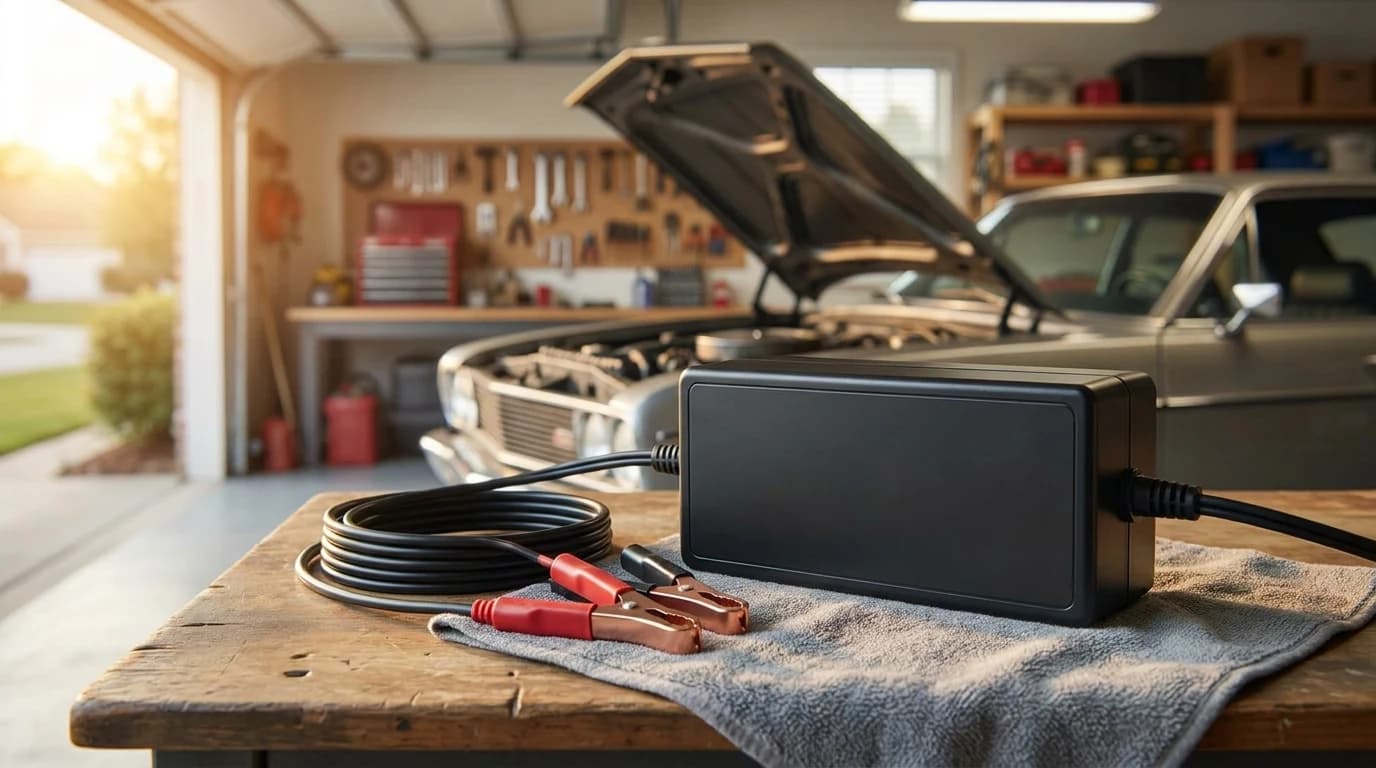
A classic trickle charger feeds a fixed low current whether the battery needs it or not, and Battery Tender says it can overcharge if left connected indefinitely. A battery maintainer charges, then drops to a float that only tops up as voltage falls, so it can stay on through winter storage. Many smart maintainers are still sold as trickle chargers, so check that the maker says the unit can stay connected.
Key takeaways
- A classic trickle charger supplies constant current regardless of the battery's state; a maintainer switches to float once the battery is full.
- The label is unreliable: Battery Tender notes most products marketed as trickle chargers are actually smart maintainers.
- The float test is one sentence from the maker saying the unit can stay connected unattended. All six chargers this site ranks pass it.
- CTEK attaches a condition to the MXS 5.0: wait for STEP 7 before leaving it, and disconnect if STEP 7 has not lit within 50 hours.
- The Battery Tender Junior is rated for 3 to 30 Ah, so it suits motorcycles and mowers rather than most car batteries.
Side-by-side comparison
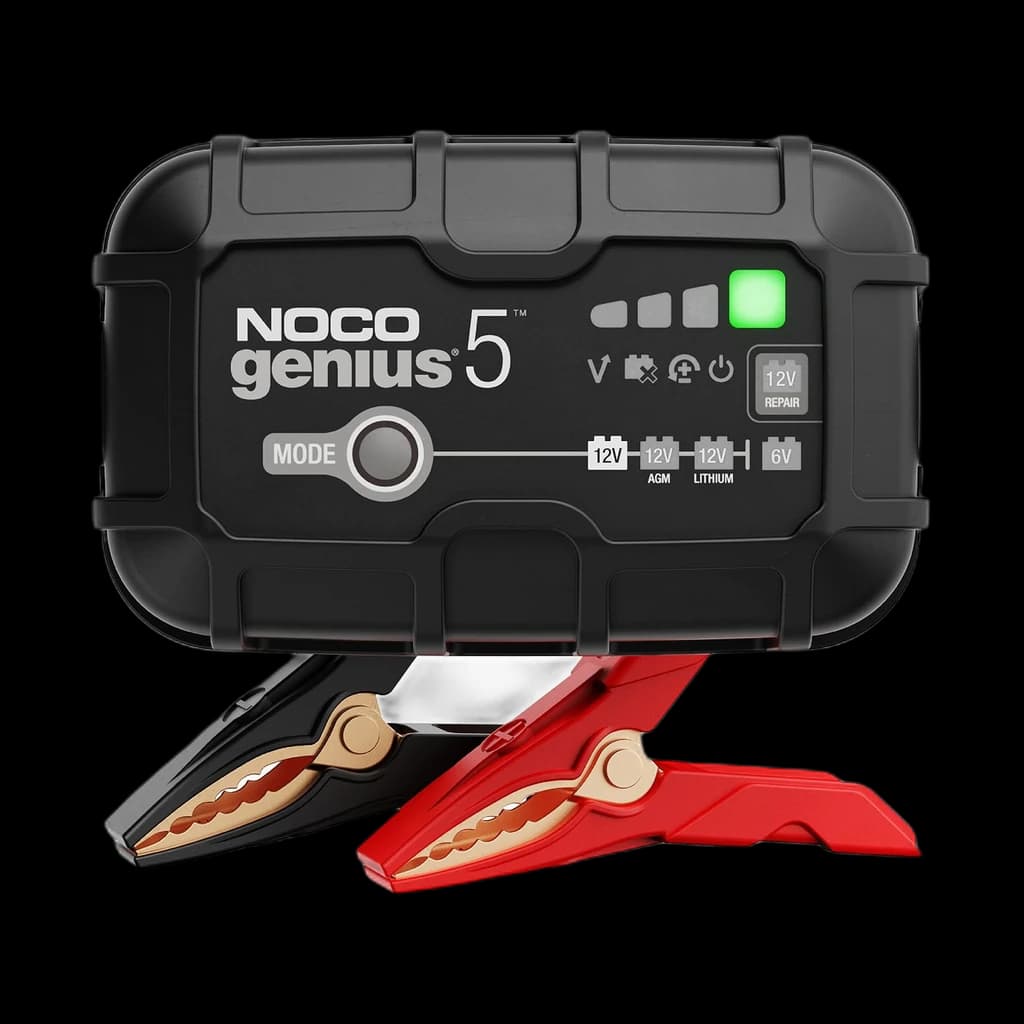
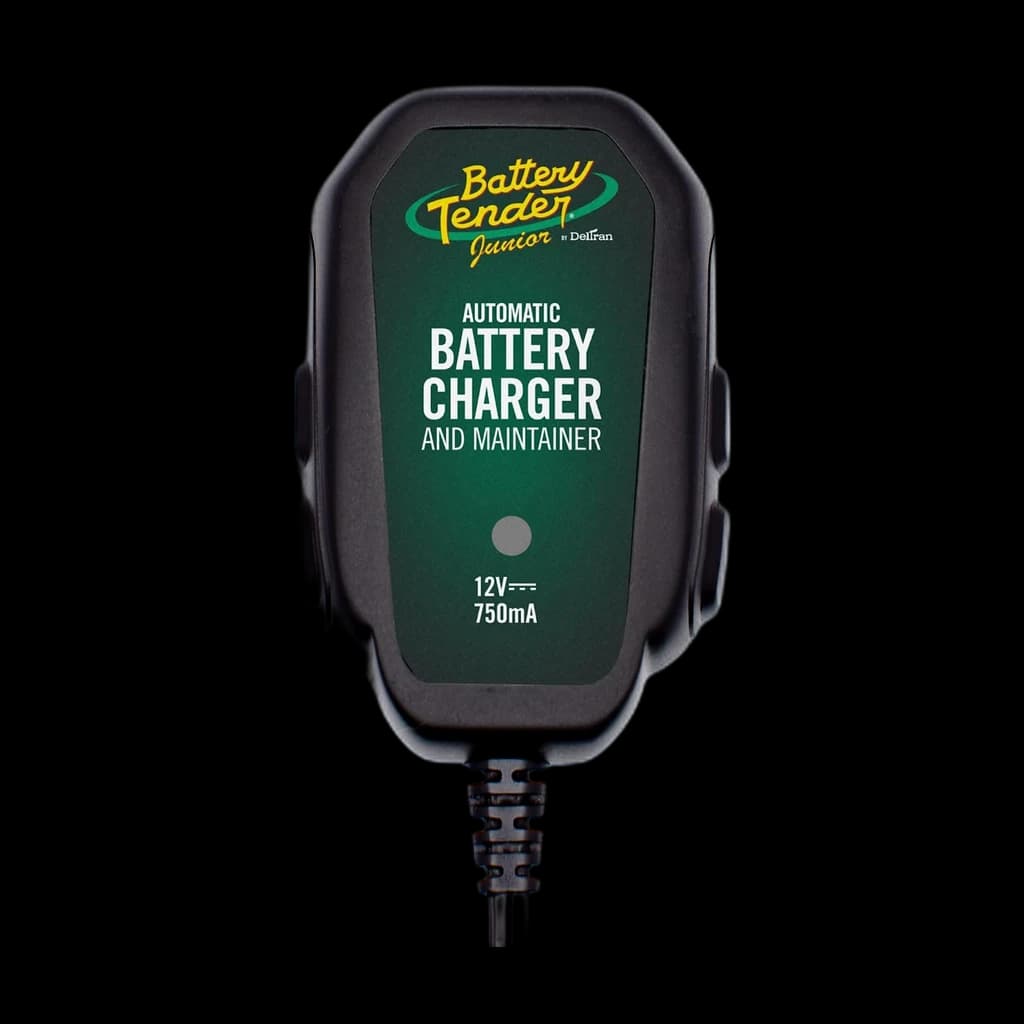
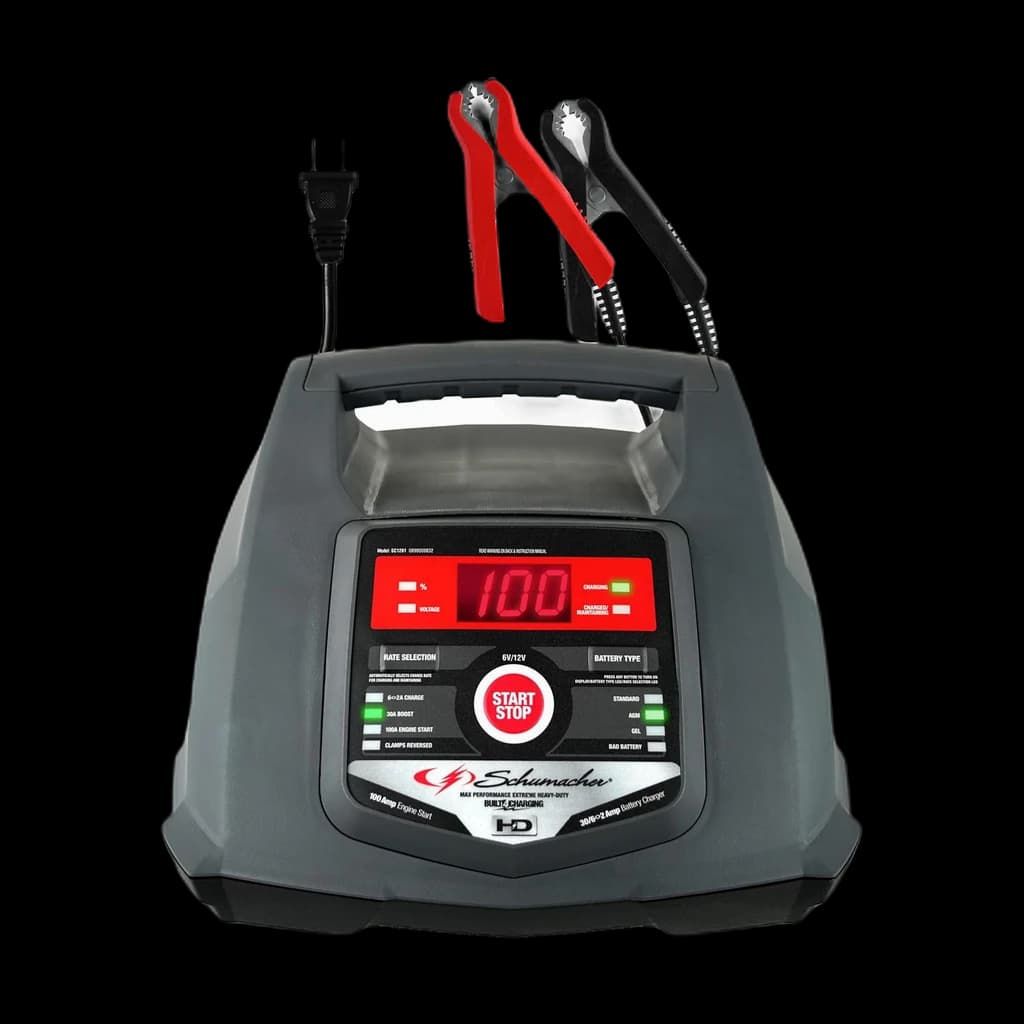
#1NOCO GENIUS5 — 5A smart charger & maintainer 4.6 | #2Battery Tender Junior 021-0123 — 0.75A maintainer 4.8 | #3Schumacher SC1281 — 6A automatic charger, maintainer & engine starter 4.5 | |
|---|---|---|---|
 |  |  | |
| DriveScored | |||
| Verdict | The maintainer to leave on a stored car or truck: NOCO lists 6V and 12V, lead-acid including AGM and gel, plus lithium-ion, and says the GENIUS series allows continuous operation with zero risk of overcharging. NOCO's product page does not state a battery-size range. | The small-battery maintainer: Battery Tender says the Junior is designed for safe, unattended, indefinite connection and rates it for 3 to 30 Ah at 12V, which fits motorcycles, mowers and classics rather than most car batteries. | The charger-first pick: Schumacher lists a 2A to 6A charge with a smart trickle mode you can leave connected, plus a 100A engine start, so it suits a battery that is already flat. It does not publish a battery-size range. |
| Price | ~$69.95Buy on Amazon | ~$39.98Buy on Amazon | ~$89.99Buy on Amazon |
| Amps | 5A | 0.75A | 6A charge (2A/6A) · 30A boost · 100A start |
| Chemistry | All (Lead-acid / AGM / Lithium) | Lead-acid | 6V/12V lead-acid, AGM, gel, deep-cycle |
| Modes | Charge / Maintain / Desulfate (Repair) | Charge / Maintain | Charge / Maintain / Desulfate / Test / Boost-Start |
| Buyer sentiment | Reliability Quality Ease Of Use Value for money Buyers praise reliability, quality, ease of use and value for money. Mixed feedback on battery life. Based on 4,535 user mentions | Functionality Quality Battery Life Ease Of Use Buyers praise functionality, quality, battery life and ease of use. Mixed feedback on reliability. Based on 17,605 user mentions | - |
| Pros |
|
|
|
| Cons |
|
|
|
* Prices are approximate. Click Buy to see current pricing on Amazon.
Which charger the situation calls for
| If your situation is… | Pick | Why |
|---|---|---|
| A car stored all winter | A maintainer rated to stay connected and sized for a car battery, such as the NOCO GENIUS5 or CTEK MXS 5.0 | Interstate says a parked battery can last about four weeks to two months; both makers say their units can stay connected, and CTEK rates the MXS 5.0 to maintain up to 160 Ah. |
| A daily driver that sits a week or two | A weekly 30-minute highway drive, or a maintainer on idle weekends | Interstate recommends driving at least 30 minutes at highway speeds once a week to keep the battery charged. |
| Motorcycle, mower or other small lead-acid battery | Battery Tender Junior | Battery Tender rates it for 3 to 30 Ah and says it is designed for indefinite connection. |
| Small lithium powersport battery | NOCO GENIUS1 | NOCO lists lithium-ion alongside lead-acid; the Junior's page lists only lead-acid types. |
| A battery that is already flat | A higher-amp charger such as the NOCO GENIUS10 or Schumacher SC1281 | Interstate says a deeply discharged battery needs more charging voltage than the alternator produces; a maintainer is sized to hold a charge, not refill one. |
Each pick is one of the products ranked below - this row is for shortcutting based on your situation, not a separate recommendation.
A trickle charger pushes a small, fixed current into the battery whether it needs it or not. A battery maintainer charges, then drops to a float that only tops the battery up as its voltage falls. That one difference decides whether you can clip it on in November and walk away until spring.
The one difference that matters
Battery Tender's guide to trickle chargers puts it plainly: a traditional trickle charger "delivers a constant charge regardless of the battery's state," typically at 0.5 to 2 amps. A smart maintainer watches the voltage, backs off when the battery is full and resumes when it sags.
The Drive, an independent publisher with no charger to sell, describes the same split: a maintainer works like a trickle charger until it detects a full battery, then goes into float mode, which protects the battery from overcharging.
| Classic trickle charger | Battery maintainer (smart charger) | |
|---|---|---|
| Current | Fixed and low, all the time | Varies by stage, then a float |
| When the battery is full | Keeps pushing current | Drops to float, resumes on demand |
| Left on for months | Battery Tender says it can overcharge if left connected indefinitely | Built for it, if the maker says so |
| Typical job | Short-term top-ups you supervise | Unattended storage |
The risk is real, not theoretical. Battery Tender warns that older, unregulated trickle chargers can boil away electrolyte or cause overcharging damage if left connected too long.
The label on the box won't tell you which one you have
Here is the trap. Battery Tender itself notes that most modern products marketed as "trickle chargers" are actually smart maintainers. NOCO's listing titles call the GENIUS units a "Trickle Charger & Maintainer", and Schumacher's copy for the SC1281 advertises a "smart trickle charge". Both makers describe microprocessor-controlled smart chargers.
So ignore the word on the box and look for one sentence in the manual or on the maker's product page: a statement that the unit can stay connected unattended, indefinitely or long-term. That is the float test. If the maker won't say it, treat the charger as a classic trickle charger and unplug it once the battery is full.
Six maintainers, checked against their makers
Every cell below comes from the maker's own product page, manual or listing copy. Where a maker does not publish a figure, it says "not stated" rather than borrowing a retailer's number.
| Charger | Rated amps | Maker on leaving it connected | Chemistries | Voltages | Battery size maker states |
|---|---|---|---|---|---|
| Battery Tender Junior 021-0123 | 0.75 A | "Safe, unattended, indefinite connection" | Lead-acid: flooded, AGM, gel, sealed | 12V | 3 to 30 Ah |
| NOCO GENIUS1 | 1 A | Continuous operation, "zero risk of overcharging" | Lead-acid incl. AGM and gel, plus lithium-ion | 6V and 12V | Not stated |
| CTEK MXS 5.0 | 4.3 A (0.8 A program) | Long-term unattended once STEP 7 is lit | Lead-acid incl. AGM, EFB, gel | 12V | Charges up to 110 Ah, maintains up to 160 Ah |
| NOCO GENIUS5 | 5 A | Continuous operation, "zero risk of overcharging" | Lead-acid incl. AGM and gel, plus lithium-ion | 6V and 12V | Not stated |
| Schumacher SC1281 | 2 to 6 A charge | Smart trickle mode lets you leave it connected | Not stated | 6V and 12V | Not stated |
| NOCO GENIUS10 | 10 A | "Can be left connected to the battery indefinitely" | Lead-acid incl. AGM and gel, plus lithium-ion | 6V and 12V | Charges up to 230 Ah, maintains all sizes |
Sources: Battery Tender's Junior page, NOCO's GENIUS1, GENIUS5 and GENIUS10 pages plus the GENIUS10 user guide, CTEK's MXS 5.0 page and manual, and Schumacher's retail listing copy (its own product page did not load).
Three things the table shows that a "best of" list usually hides:
- All six pass the float test. None of the chargers this site ranks is a classic trickle charger, whatever the listing calls it.
- CTEK attaches a condition. Its manual says to check that the charger has reached STEP 7 before leaving it unattended for long periods, and to disconnect it manually if STEP 7 has not lit within 50 hours.
- Size ratings are thin. Only Battery Tender, CTEK and the GENIUS10 guide publish a battery range on the pages we read. The Junior's ceiling is low: 30 Ah suits a motorcycle or mower, not most car batteries.
Which one fits your situation
A car stored for the winter
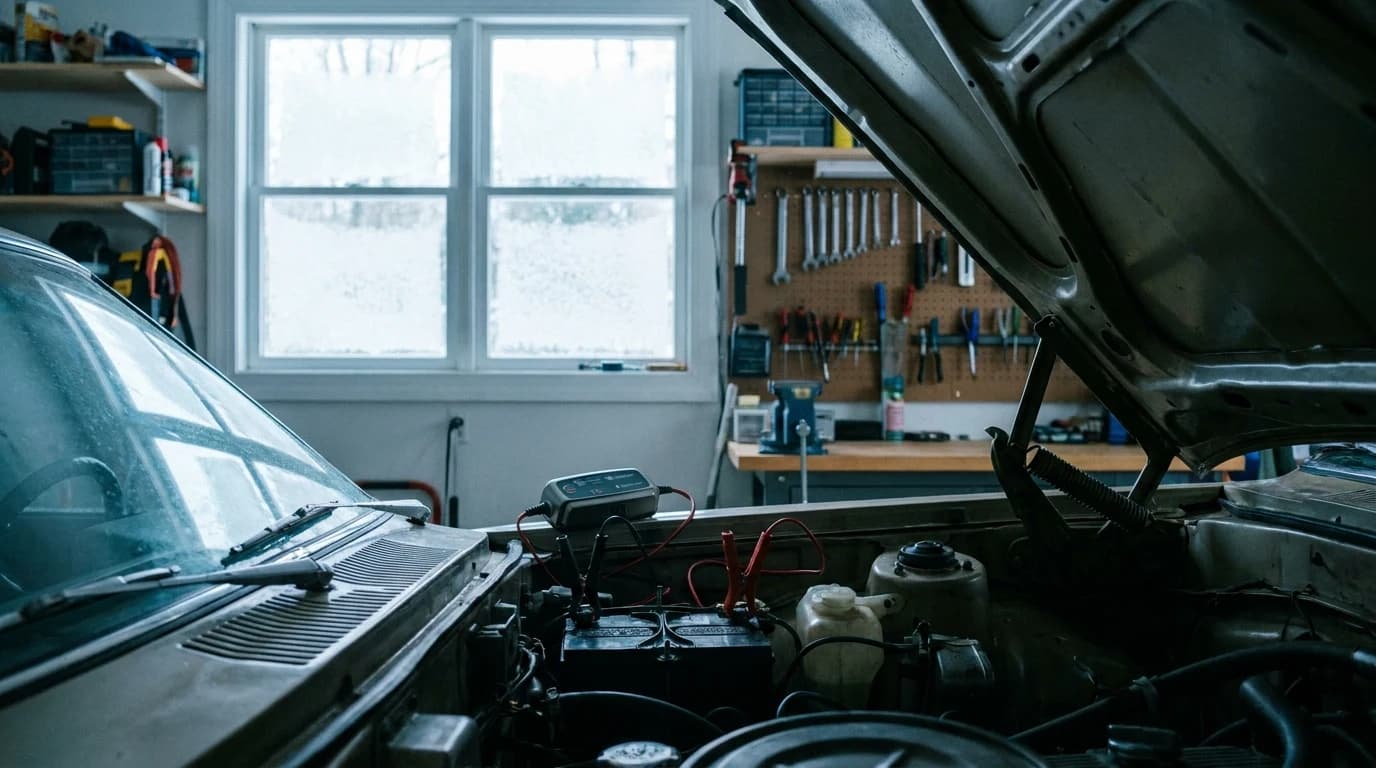
Pick a maintainer whose maker explicitly allows indefinite connection and whose range covers a car battery. The CTEK MXS 5.0 maintains up to 160 Ah, and the NOCO GENIUS5 adds lithium support and 6V. Interstate says a parked car battery can last about four weeks to two months before it dies, so a whole winter is well past that.
A daily driver that sits for a week or two
You may not need anything. Interstate's alternative is a drive of at least 30 minutes at highway speeds once a week. If short trips are the pattern, a maintainer on the weekends you don't drive is the cheaper fix than a new battery; how long car batteries last explains why short trips wear them out.
A motorcycle, lawn tractor or other small battery
The Battery Tender Junior is sized for exactly this, at 3 to 30 Ah. If the bike runs a lithium battery, the Junior's page lists only lead-acid types, so the 1-amp NOCO GENIUS1, whose maker lists lithium-ion, is the small-battery alternative.
A battery that is already flat
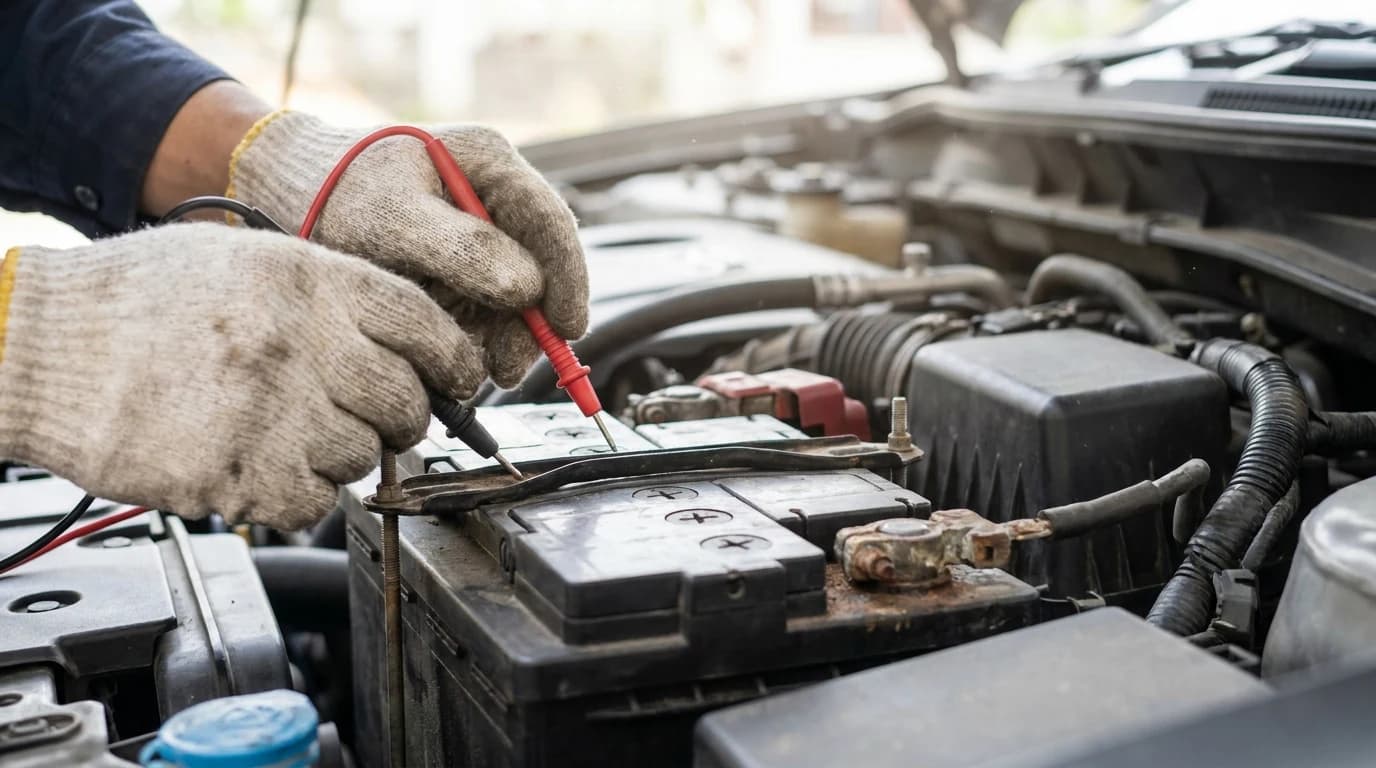
A maintainer is the wrong tool for a recharge. Interstate notes that a deeply discharged battery needs a higher charging voltage than the alternator can produce. Use a higher-amp charger such as the NOCO GENIUS10 or the Schumacher SC1281, which also has an engine-start mode. Our how to charge a car battery guide covers amps and charge time, and testing the battery first tells you whether it is worth saving.
Before you clip it on for the season
The makers' manuals agree on a short list:
- Red first, black to metal. NOCO's GENIUS10 guide says to connect red to the positive terminal, then black to the chassis or engine block away from the battery, and to plug in last.
- Disconnect in reverse. NOCO says to remove the negative first.
- Ventilation. CTEK says to keep the area around the battery well ventilated while it charges.
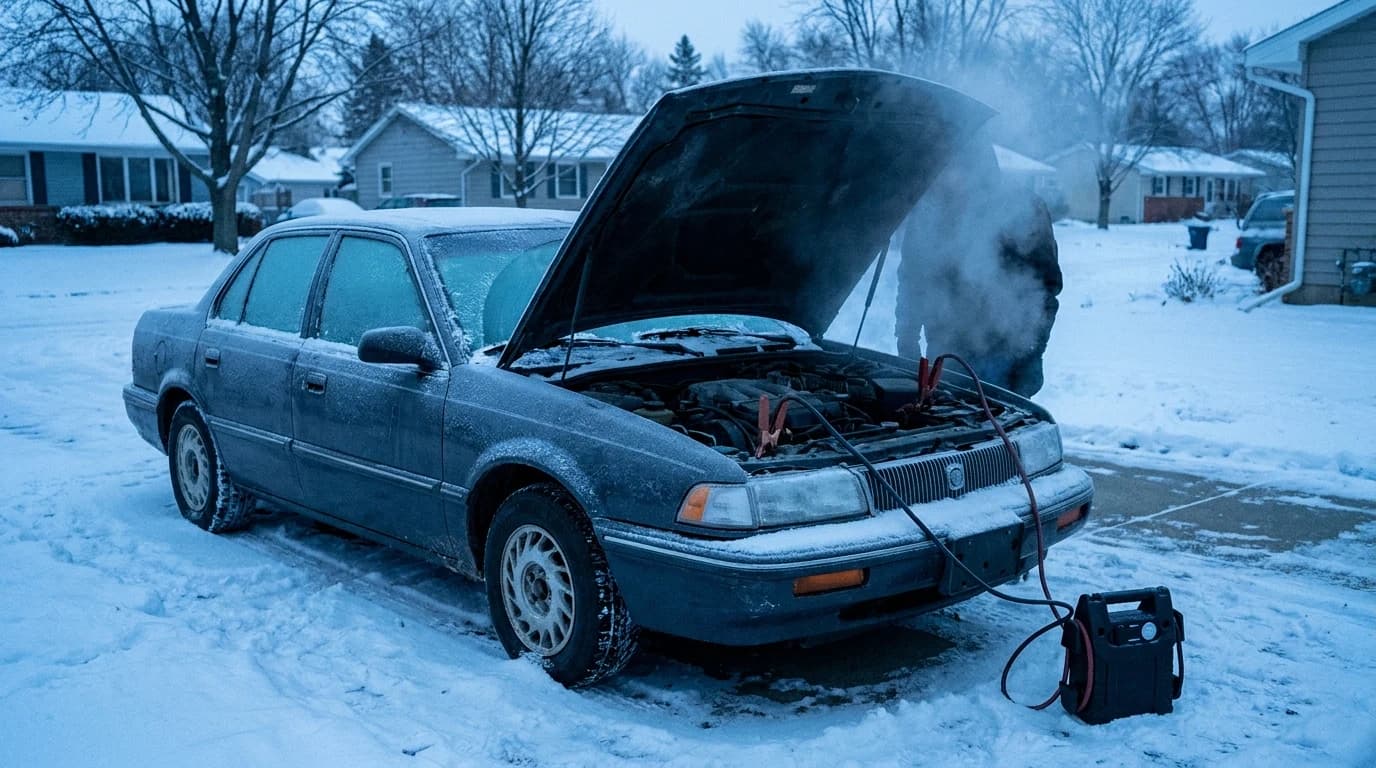
- Frozen battery? Battery Tender says to let it thaw completely at room temperature before connecting the charger.
- Boats. NOCO says a marine battery must be removed and charged on shore unless the equipment is designed for marine use.
The quick rule: if the maker says it can stay connected, leave it on all winter. If it doesn't, it's a top-up tool, and you unplug it when the battery is full.
If your car already refuses to start this season, start with diagnosing a cold no-start by the sound, and see the full battery chargers and maintainers category for every unit we rank.
Common questions
Can I leave a trickle charger on all winter?
Is a Battery Tender a trickle charger?
Can a battery maintainer charge a dead battery?
Do I need a special maintainer for a lithium battery?
Research Sources
- Battery Tender — Trickle Charger: What It Is, How It Works, and How to Choose the Right One (constant-current definition, 0.5 to 2 amp range, overcharge risk)
- The Drive — How Does a Trickle Charger Work? (maintainers switch to float mode once the battery is full)
- Battery Tender Junior 12V 750mA (021-0123) product page — indefinite connection, 3 to 30 Ah range, lead-acid chemistries, frozen-battery warning
- NOCO GENIUS1 product page — 1A, 6V/12V, lead-acid and lithium-ion, continuous operation
- NOCO GENIUS5 product page — 5A, 6V/12V, lead-acid and lithium-ion, continuous operation
- NOCO GENIUS10 product page — 10A, 6V/12V, lead-acid and lithium-ion
- NOCO GENIUS10 User Guide (rev. 04.09.2024) — up to 230 Ah, indefinite connection, connection and disconnection sequence, marine battery note
- CTEK MXS 5.0 NA product page — charges up to 110 Ah, maintains up to 160 Ah, 12V lead-acid types
- CTEK MXS 5.0 North America user manual — STEP 7 before unattended long-term connection, 50-hour error rule, ventilation
- Interstate Batteries — How Long Can a Car Battery Sit Unused? (four weeks to two months; weekly 30-minute drive)
- Interstate Batteries — FAQs: a deeply discharged battery needs more charging voltage than the alternator produces